



Workwear & Safety Gear
Workwear and safety gear cover the personal protective equipment tradespeople use on the job, from hard hats and hearing protection to gloves, first aid kits, and fire extinguishers rated for jobsite use.
Matching PPE to the specific hazard on a job, whether that is cut resistance for sheet metal work or respiratory protection for dusty environments, keeps workers protected without over-equipping for tasks that do not need it. Fire extinguishers carrying a multipurpose ABC rating cover the widest range of jobsite fire hazards.




Subcategories
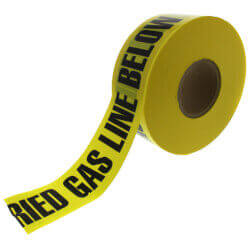
- Caution Tape: Caution and barricade tape marks off a work area, trench, or hazard so foot traffic and other trades stay clear while a crew is mid-job. It offers a quick way to meet jobsite marking requirements on service calls where a full barricade setup isn't practical.
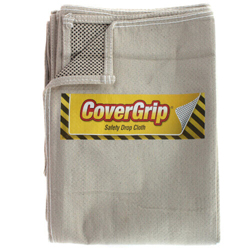
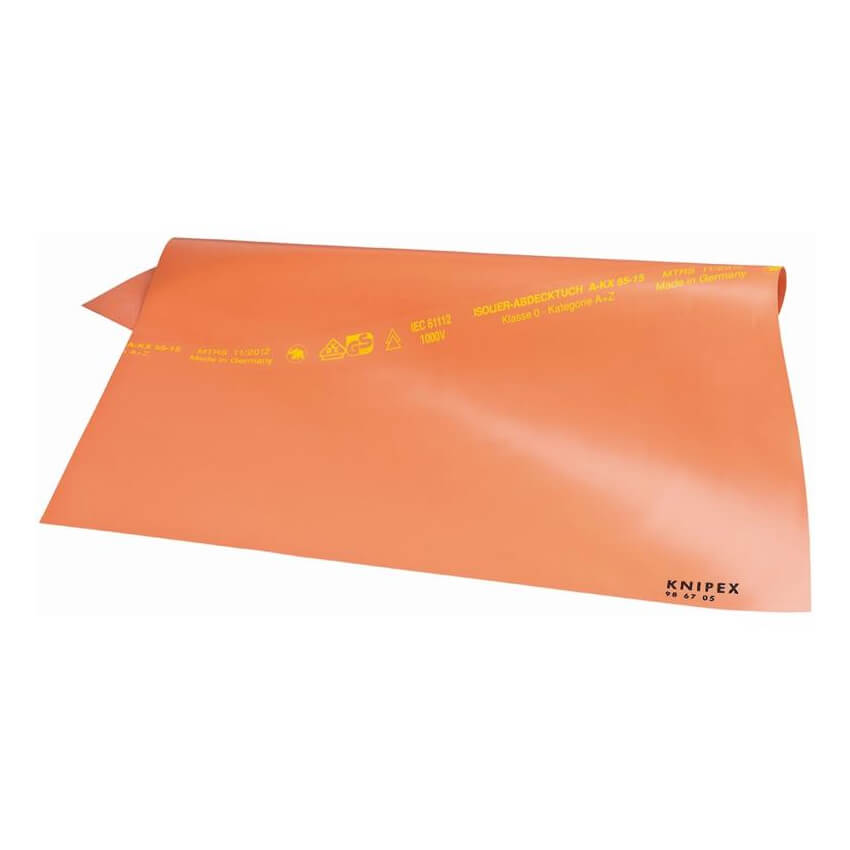
- Drop Cloths & Cooling Towels: Drop cloths protect flooring, countertops, and fixtures from tools, debris, and old pipe dope during a rough-in or repair, with canvas holding up to repeated use better than lightweight plastic sheeting. Cooling towels help crews manage heat stress in attics, crawlspaces, and mechanical rooms during summer service calls where ventilation is limited.
- Dust Masks, Ear Plugs & Hard Hats: Hard hats in this group are built to ANSI/ISEA Z89.1, which splits helmets into Type I for top-impact protection and Type II for top and lateral impact, plus a Class G rating for helmets tested against electrical conductors up to 2,200 volts. Dust masks and ear plugs round out the group for cutting, sanding, and demolition work where airborne particulate or equipment noise are the main hazards rather than impact.
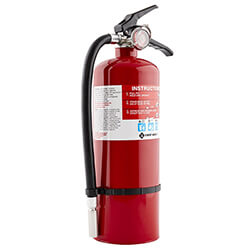
- Fire Extinguishers: Fire extinguishers here carry UL or ULC multipurpose ratings, most commonly ABC dry chemical units rated for ordinary combustibles, flammable liquids, and energized electrical equipment. The numeric rating in front of the A and B letters indicates the size of fire the unit can handle, with a higher number covering a larger fire, while the C rating simply confirms the extinguishing agent won't conduct electricity back through the nozzle.
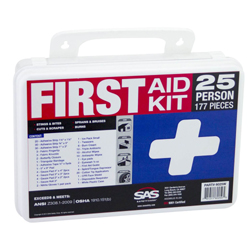
- First Aid Kits: Kits in this group range from single-person jobsite kits to larger crew kits stocked for cuts, burns, and eye flushing common on plumbing and HVAC work. Sizing a kit to crew headcount and job hazard, rather than defaulting to the smallest option, keeps a crew from running out of basic supplies mid-job.
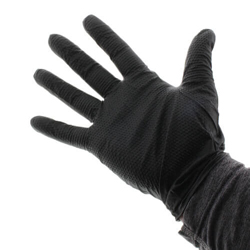
- Gloves & Shoe Covers: Gloves range from cut-resistant options for sheet metal and cable work to chemical-resistant gloves for solvent cement and cleaning agents, with the right rating depending on what the hand is being protected from rather than the trade doing the work. Disposable shoe covers protect finished flooring on service calls inside occupied homes, which matters as much for customer relations as for cleanliness.
Buying Guide
PPE selection starts with the hazard, not the trade. A technician cutting cast iron pipe needs different eye and respiratory protection than one working near live electrical panels, so matching gear to the specific task on hand beats buying one generic PPE kit for the whole crew.
ANSI and UL ratings printed on hard hats, eyewear, and fire extinguishers spell out exactly what hazard the item is rated for, and checking that rating against the actual jobsite hazard matters more than picking the highest-rated item available.
Replacement cadence depends on use and exposure. Hard hats get replaced after any impact or per the manufacturer's stated service life even without visible damage, while gloves and dust masks are consumables that get swapped out per job or per shift depending on the material being handled.
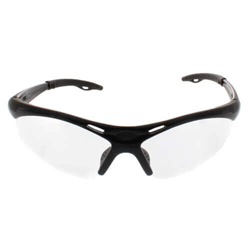
Fit matters as much as rating for hand and eye protection. A glove or set of safety glasses that doesn't fit properly gets pushed aside on the jobsite regardless of how well it's rated, so sizing options matter when outfitting a crew.
Stocking site safety supplies like caution tape, first aid kits, and fire extinguishers ahead of the job, rather than after an incident, keeps a crew compliant with jobsite safety requirements without a scramble when an inspector or safety officer shows up.
Frequently Asked Questions
What's the difference between Type I and Type II hard hats?
Type I hard hats under ANSI/ISEA Z89.1 protect against impact to the top of the head only, while Type II hard hats add protection against impact to the sides as well. Crews working around scaffolding, low clearances, or lateral impact hazards typically need Type II protection rather than the more basic Type I design.
What does the class rating on a fire extinguisher mean?
Class A covers ordinary combustibles like wood and paper, Class B covers flammable liquids, and Class C confirms the extinguishing agent is safe to use on energized electrical equipment without conducting current back to the operator. Most jobsite extinguishers carry an ABC multipurpose rating covering all three hazard types in one unit.
How often do hard hats need to be replaced?
Manufacturers typically recommend replacing a hard hat shell every few years and the suspension more often, even without a visible impact, since UV exposure and general wear degrade the plastic over time. Any hard hat that's taken a direct impact needs to be replaced immediately regardless of how long it's been in service.
What size first aid kit does a crew need?
Kit size should scale with crew headcount and the type of hazards on a given job, with larger crews or higher-risk work like sheet metal fabrication calling for a bigger kit stocked with more trauma supplies. A single-person service van can typically get by with a compact kit covering basic cuts, burns, and eye irritation.
Are disposable shoe covers required on residential service calls?
Shoe covers aren't required by code on most residential calls, but many companies require them as a customer service standard to keep floors clean when working inside an occupied home. Wearing them also reduces the chance of tracking debris or chemicals between rooms during a service visit.
Resources
Subcategories
- Caution Tape: Caution and barricade tape marks off a work area, trench, or hazard so foot traffic and other trades stay clear while a crew is mid-job. It offers a quick way to meet jobsite marking requirements on service calls where a full barricade setup isn't practical.
- Drop Cloths & Cooling Towels: Drop cloths protect flooring, countertops, and fixtures from tools, debris, and old pipe dope during a rough-in or repair, with canvas holding up to repeated use better than lightweight plastic sheeting. Cooling towels help crews manage heat stress in attics, crawlspaces, and mechanical rooms during summer service calls where ventilation is limited.
- Dust Masks, Ear Plugs & Hard Hats: Hard hats in this group are built to ANSI/ISEA Z89.1, which splits helmets into Type I for top-impact protection and Type II for top and lateral impact, plus a Class G rating for helmets tested against electrical conductors up to 2,200 volts. Dust masks and ear plugs round out the group for cutting, sanding, and demolition work where airborne particulate or equipment noise are the main hazards rather than impact.
- Fire Extinguishers: Fire extinguishers here carry UL or ULC multipurpose ratings, most commonly ABC dry chemical units rated for ordinary combustibles, flammable liquids, and energized electrical equipment. The numeric rating in front of the A and B letters indicates the size of fire the unit can handle, with a higher number covering a larger fire, while the C rating simply confirms the extinguishing agent won't conduct electricity back through the nozzle.
- First Aid Kits: Kits in this group range from single-person jobsite kits to larger crew kits stocked for cuts, burns, and eye flushing common on plumbing and HVAC work. Sizing a kit to crew headcount and job hazard, rather than defaulting to the smallest option, keeps a crew from running out of basic supplies mid-job.
- Gloves & Shoe Covers: Gloves range from cut-resistant options for sheet metal and cable work to chemical-resistant gloves for solvent cement and cleaning agents, with the right rating depending on what the hand is being protected from rather than the trade doing the work. Disposable shoe covers protect finished flooring on service calls inside occupied homes, which matters as much for customer relations as for cleanliness.
Buying Guide
PPE selection starts with the hazard, not the trade. A technician cutting cast iron pipe needs different eye and respiratory protection than one working near live electrical panels, so matching gear to the specific task on hand beats buying one generic PPE kit for the whole crew.
ANSI and UL ratings printed on hard hats, eyewear, and fire extinguishers spell out exactly what hazard the item is rated for, and checking that rating against the actual jobsite hazard matters more than picking the highest-rated item available.
Replacement cadence depends on use and exposure. Hard hats get replaced after any impact or per the manufacturer's stated service life even without visible damage, while gloves and dust masks are consumables that get swapped out per job or per shift depending on the material being handled.
Fit matters as much as rating for hand and eye protection. A glove or set of safety glasses that doesn't fit properly gets pushed aside on the jobsite regardless of how well it's rated, so sizing options matter when outfitting a crew.
Stocking site safety supplies like caution tape, first aid kits, and fire extinguishers ahead of the job, rather than after an incident, keeps a crew compliant with jobsite safety requirements without a scramble when an inspector or safety officer shows up.
Frequently Asked Questions
What's the difference between Type I and Type II hard hats?
Type I hard hats under ANSI/ISEA Z89.1 protect against impact to the top of the head only, while Type II hard hats add protection against impact to the sides as well. Crews working around scaffolding, low clearances, or lateral impact hazards typically need Type II protection rather than the more basic Type I design.
What does the class rating on a fire extinguisher mean?
Class A covers ordinary combustibles like wood and paper, Class B covers flammable liquids, and Class C confirms the extinguishing agent is safe to use on energized electrical equipment without conducting current back to the operator. Most jobsite extinguishers carry an ABC multipurpose rating covering all three hazard types in one unit.
How often do hard hats need to be replaced?
Manufacturers typically recommend replacing a hard hat shell every few years and the suspension more often, even without a visible impact, since UV exposure and general wear degrade the plastic over time. Any hard hat that's taken a direct impact needs to be replaced immediately regardless of how long it's been in service.
What size first aid kit does a crew need?
Kit size should scale with crew headcount and the type of hazards on a given job, with larger crews or higher-risk work like sheet metal fabrication calling for a bigger kit stocked with more trauma supplies. A single-person service van can typically get by with a compact kit covering basic cuts, burns, and eye irritation.
Are disposable shoe covers required on residential service calls?
Shoe covers aren't required by code on most residential calls, but many companies require them as a customer service standard to keep floors clean when working inside an occupied home. Wearing them also reduces the chance of tracking debris or chemicals between rooms during a service visit.