




Electrical Safety Mats

 --%3E %3Csvg version='1.1' id='No-RB' xmlns='http://www.w3.org/2000/svg' xmlns:xlink='http://www.w3.org/1999/xlink' x='0px' y='0px' viewBox='0 0 100 100' enable-background='new 0 0 100 100' xml:space='preserve'%3E %3Cpath fill='%23CECECE' d='M79.44,0.95H20.56C9.78,0.95,0.95,9.78,0.95,20.56v58.87c0,10.79,8.82,19.61,19.61,19.61h58.87 c10.79,0,19.61-8.83,19.61-19.61V20.56C99.05,9.78,90.22,0.95,79.44,0.95z M65.38,58.24l9.38,29.58L49.69,69.78L24.5,87.82 l9.34-29.6L8.8,39.6l30.73-0.17c0,0,6.98-19.61,10-28.93c0.54,1.36,9.88,29.1,9.88,29.1H91.2L65.38,58.24z'/%3E %3C/svg%3E)

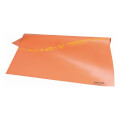

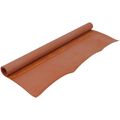
Electrical Safety Mats protect electricians and technicians working near energized panels, switchboards, and transformers by insulating them from ground faults and stray current. Built from non-conductive PVC, these mats meet ASTM D178 voltage classes, with Class 2 matting rated to a 30,000-volt dielectric test and Class 3 matting rated to 40,000 volts. Corrugated surfaces suit dry work areas like switchgear rooms and generator enclosures, while diamond-plate surfaces add slip resistance in wet or high-traffic locations. Selecting the right mat means matching the class rating to the highest voltage present at a panel or switchboard, not just the equipment's nominal operating voltage. Because dielectric properties degrade with wear, cuts, or age, mats need periodic inspection and replacement to keep the insulation barrier reliable. Electrical safety mats belong in any facility where personnel routinely work in front of live equipment.
Subcategories
- Class 2 Switchboard Matting: Class 2 switchboard matting carries a dielectric test rating of 30,000 volts and a recommended maximum working voltage around 17,000 volts at a 1/4 inch thickness. Electricians and utility technicians use it in front of medium-voltage switchgear, panels, and control rooms. The non-conductive PVC construction meets ASTM D178-01 Type II requirements for insulating matting. Rolls typically run up to 75 feet, letting a crew cut mats to fit a switchgear lineup without seams.
- Class 3 Switchboard Matting: Class 3 switchboard matting steps up to a 40,000-volt dielectric test rating with a recommended maximum working voltage near 26,500 volts, built at a thicker 3/8 inch profile. Facilities with higher-voltage transformers or substation equipment specify this class where Class 2 matting doesn't cover the exposure. Thicker construction adds durability in high-traffic maintenance areas. Like Class 2 mats, it's cut from long rolls and trimmed on site to match panel dimensions.
- Corrugated Surface Mats: Corrugated mats use a ribbed surface pattern designed for dry indoor environments like switchgear rooms, control panels, and generator enclosures. Maintenance electricians favor the corrugated texture because it stays easy to clean and doesn't trap moisture the way a smooth mat can. The pattern still meets the same ASTM D178 dielectric ratings as diamond-plate versions. Corrugated matting rolls up for storage between jobs or when a panel gets serviced infrequently.
- Diamond-Plate Surface Mats: Diamond-plate mats add a raised, non-slip texture suited to wet or high-traffic areas such as engine rooms, wash-down zones, and outdoor switchgear enclosures. Facility crews choose this surface where oil, water, or condensation collects near electrical equipment. The raised pattern maintains footing without compromising the mat's dielectric barrier. Diamond-plate matting comes in the same class ratings and thicknesses as corrugated versions.
Buying Guide
Match the mat's ASTM D178 class to the highest voltage present at the panel or switchboard, not the equipment's typical operating voltage; a momentary fault can expose personnel to voltage exceeding normal running conditions. Class 2 matting, rated to 30,000 volts dielectric with a recommended working ceiling near 17,000 volts, covers most standard switchgear and panel work. Class 3 matting, rated to 40,000 volts, fits higher-voltage substation and transformer applications where Class 2 doesn't provide enough margin.
Surface texture depends on the environment more than the electrical rating. Corrugated matting works well in dry, climate-controlled switchgear rooms, while diamond-plate matting holds up better where oil, moisture, or heavy foot traffic is common. Electrical Safety Mats come in long rolls, so measure the panel or work area first and order enough length to cover the full footprint without piecing together short sections, which can leave gaps in the insulation barrier.
Thickness tracks with voltage class: heavier mats generally carry higher dielectric ratings, but thickness alone isn't a reliable stand-in for a confirmed ASTM rating, so check the labeling on any mat before relying on it near live equipment. Because dielectric protection degrades with cuts, punctures, and age, plan for periodic inspection and replacement rather than treating a mat as a permanent fixture. Keeping mats free of oil and sharp debris extends service life and keeps the insulating surface intact.
Frequently Asked Questions
What ASTM standard applies to electrical safety mats?
Electrical safety mats sold for switchgear and panel protection are built and tested to ASTM D178, the standard for rubber and vinyl insulating matting. The standard defines dielectric test voltages and safe working voltage limits by class. Checking a mat's labeling against this standard confirms it's rated for the voltage present at a job site.
What's the difference between Class 2 and Class 3 matting?
Class 2 matting carries a 30,000-volt dielectric test rating with a recommended working ceiling near 17,000 volts, while Class 3 matting steps up to a 40,000-volt dielectric rating with a working ceiling near 26,500 volts. Class 3 mats also run thicker than Class 2 mats. Facilities working around higher-voltage equipment typically need Class 3 matting to maintain an adequate safety margin.
Should a wet work area use corrugated or diamond-plate matting?
Diamond-plate matting handles wet or high-traffic areas better because its raised pattern maintains footing even when oil, water, or condensation collects on the surface. Corrugated matting suits dry, climate-controlled spaces like switchgear rooms where slip resistance matters less. Both surface types carry the same dielectric ratings within a given class.
How often should electrical safety mats be replaced?
Dielectric protection degrades as a mat picks up cuts, punctures, or general wear, so periodic inspection matters more than a fixed replacement schedule. Any mat with visible damage, embedded debris, or cracking should come out of service immediately. Regular visual checks before working near energized equipment catch most problems before they become a hazard.
Does a thicker mat always mean better protection?
Thickness generally tracks with voltage class, since higher-rated mats need more material to maintain their dielectric barrier, but thickness by itself isn't a substitute for a confirmed ASTM rating. Two mats of similar thickness can carry different class ratings depending on construction and material. Checking the printed class rating on the mat is the reliable way to confirm its protection level.
