




Filters
SORT
Product Availability –
Brand –
Size –
Product Type –
Review Score –
 --%3E %3Csvg version='1.1' id='Fill' xmlns='http://www.w3.org/2000/svg' xmlns:xlink='http://www.w3.org/1999/xlink' x='0px' y='0px' viewBox='0 0 100 100' enable-background='new 0 0 100 100' xml:space='preserve'%3E %3Cpath fill='%23F15C02' d='M79.44,0.95H20.56C9.78,0.95,0.95,9.78,0.95,20.56v58.87c0,10.79,8.82,19.61,19.61,19.61h58.87 c10.79,0,19.61-8.83,19.61-19.61V20.56C99.05,9.78,90.22,0.95,79.44,0.95z M65.38,58.24l9.38,29.58L49.69,69.78L24.5,87.82 l9.34-29.6L8.8,39.6l30.73-0.17c0,0,6.98-19.61,10-28.93c0.54,1.36,9.88,29.1,9.88,29.1H91.2L65.38,58.24z'/%3E %3C/svg%3E)
 --%3E %3Csvg version='1.1' id='With-RB' xmlns='http://www.w3.org/2000/svg' xmlns:xlink='http://www.w3.org/1999/xlink' x='0px' y='0px' viewBox='0 0 100 100' enable-background='new 0 0 100 100' xml:space='preserve'%3E %3Cpath fill='%23FBC8B4' d='M79.44,0.95H20.56C9.78,0.95,0.95,9.78,0.95,20.56v58.87c0,10.79,8.82,19.61,19.61,19.61h58.87 c10.79,0,19.61-8.83,19.61-19.61V20.56C99.05,9.78,90.22,0.95,79.44,0.95z M65.38,58.24l9.38,29.58L49.69,69.78L24.5,87.82 l9.34-29.6L8.8,39.6l30.73-0.17c0,0,6.98-19.61,10-28.93c0.54,1.36,9.88,29.1,9.88,29.1H91.2L65.38,58.24z'/%3E %3C/svg%3E)
Price Range –
Wrench Sockets & Socket Sets


 --%3E %3Csvg version='1.1' id='No-RB' xmlns='http://www.w3.org/2000/svg' xmlns:xlink='http://www.w3.org/1999/xlink' x='0px' y='0px' viewBox='0 0 100 100' enable-background='new 0 0 100 100' xml:space='preserve'%3E %3Cpath fill='%23CECECE' d='M79.44,0.95H20.56C9.78,0.95,0.95,9.78,0.95,20.56v58.87c0,10.79,8.82,19.61,19.61,19.61h58.87 c10.79,0,19.61-8.83,19.61-19.61V20.56C99.05,9.78,90.22,0.95,79.44,0.95z M65.38,58.24l9.38,29.58L49.69,69.78L24.5,87.82 l9.34-29.6L8.8,39.6l30.73-0.17c0,0,6.98-19.61,10-28.93c0.54,1.36,9.88,29.1,9.88,29.1H91.2L65.38,58.24z'/%3E %3C/svg%3E)


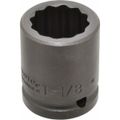
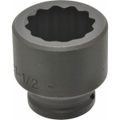
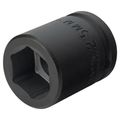
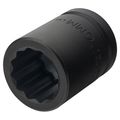
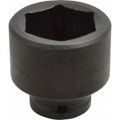
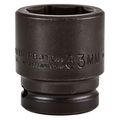
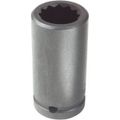
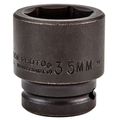
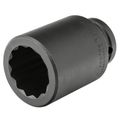
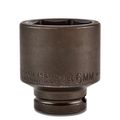
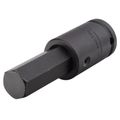
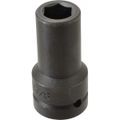
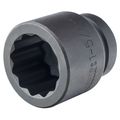
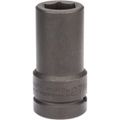
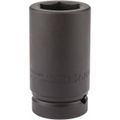
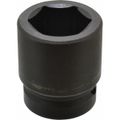
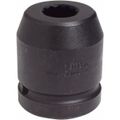

Wrench Sockets & Socket Sets give technicians the ratchet attachments needed to turn nuts and bolts in a range of drive sizes, with 1/4 inch, 3/8 inch, and 1/2 inch drive being the industry standard options. A 1/4 inch drive socket set typically covers SAE sizes from about 5/32 inch up to 9/16 inch and metric sizes from 4mm to 15mm, making it suited to small fasteners in tight clearances. Step up to a 3/8 inch drive and the range extends to roughly 1/4 inch through 1 inch SAE or 6mm through 22mm metric, covering most general plumbing and mechanical fastener sizes. Sockets are also built in 6-point and 12-point configurations, with 6-point offering a tighter grip on rounded or worn fasteners. Picking the right drive size and point count for the job reduces stripped fasteners and speeds up repairs on trucks, equipment, and fixtures alike.
Subcategories
- 1/4-Inch Drive Sockets: 1/4 inch drive sockets cover small SAE sizes from about 5/32 inch to 9/16 inch and metric sizes from 4mm to 15mm. Technicians use this drive size for small fasteners in electronics, control panels, and other tight-clearance work where a larger ratchet won't fit. The smaller drive size delivers less torque, so it's not suited to heavily corroded or high-torque fasteners. Compact ratchets paired with this drive size make quick work of repetitive small-fastener jobs.
- 3/8-Inch Drive Sockets: 3/8 inch drive sockets span roughly 1/4 inch to 1 inch SAE and 6mm to 22mm metric, covering most fasteners found on residential and light commercial equipment. This middle drive size balances torque output with maneuverability, making it a common choice for general service work. Both 6-point and 12-point versions are available to match fastener condition and clearance needs. It's often the most-used drive size in a service technician's set.
- 1/2-Inch Drive Sockets: 1/2 inch drive sockets are built for larger fasteners and higher torque applications where 1/4 inch or 3/8 inch drive would flex or slip. Technicians reach for this drive size on heavy equipment, larger valves, and structural fasteners that need more turning force. The larger socket body and drive square hold up better under impact wrench use. Sets in this drive size typically run to larger SAE and metric diameters than the smaller drives.
- Master Socket Sets: Master socket sets combine 1/4 inch, 3/8 inch, and 1/2 inch drive sockets in a single case, covering both SAE and metric fasteners across 6-point and 12-point configurations. Technicians who service a mix of equipment favor these sets so they're not caught without the right drive size or fastener type on a job. Standard and deep-well socket lengths are typically included together. A single organized case keeps the full range accessible on service calls.
Buying Guide
Match drive size to the fasteners encountered most often. Small control panels, electronics, and tight-clearance work call for 1/4 inch drive, which covers roughly 5/32 inch to 9/16 inch SAE and 4mm to 15mm metric. General service and repair work on residential and light commercial equipment fits well within 3/8 inch drive, spanning about 1/4 inch to 1 inch SAE and 6mm to 22mm metric. Heavier fasteners and higher-torque jobs need 1/2 inch drive for the added strength.
Decide between 6-point and 12-point sockets based on fastener condition. Wrench Sockets & Socket Sets in a 6-point configuration grip a fastener's flats more fully, which helps on rounded or corroded nuts and bolts where a 12-point socket is more likely to slip. 12-point sockets offer more entry angles, which helps in tight spaces where positioning the ratchet is difficult.
Standard versus deep-well length matters when a fastener sits recessed or extends past the nut. Deep-well sockets reach down over long bolts or studs where a standard socket would bottom out before reaching the fastener head. For technicians who work across a range of equipment, a master set covering all three drive sizes in both SAE and metric avoids the gaps that come with single-drive sets, even though it costs more upfront than buying drive sizes separately as needed.
Frequently Asked Questions
What's the difference between 1/4 inch, 3/8 inch, and 1/2 inch drive sockets?
Drive size refers to the square opening that connects the socket to the ratchet, and it determines both the fastener size range and the torque the socket can handle. 1/4 inch drive suits small fasteners in tight spaces, 3/8 inch drive covers most general repair work, and 1/2 inch drive handles larger fasteners and higher-torque jobs.
Should 6-point or 12-point sockets be used on rounded bolts?
6-point sockets grip a fastener's flats more fully than 12-point sockets, which makes them the better choice on rounded, worn, or corroded bolts. 12-point sockets offer more ratchet entry angles but are more prone to slipping on damaged fasteners.
What metric range does a 3/8 inch drive socket set typically cover?
A 3/8 inch drive set generally covers metric sizes from about 6mm to 22mm, alongside SAE sizes from roughly 1/4 inch to 1 inch. That range covers most fasteners found on residential and light commercial equipment.
When is a deep-well socket needed instead of a standard socket?
Deep-well sockets are needed when a bolt or stud extends past the nut far enough that a standard socket would bottom out before reaching the fastener head. They're common on suspension work, long anchor bolts, and recessed fasteners.
Is it worth buying a master socket set instead of individual drive sizes?
A master set covering 1/4 inch, 3/8 inch, and 1/2 inch drive in both SAE and metric avoids gaps in coverage that come from buying single-drive sets piecemeal. Technicians who service a variety of equipment typically get more use out of a master set than a narrower single-drive purchase.
