




Filters
SORT
Product Availability –
Review Score –
 --%3E %3Csvg version='1.1' id='Fill' xmlns='http://www.w3.org/2000/svg' xmlns:xlink='http://www.w3.org/1999/xlink' x='0px' y='0px' viewBox='0 0 100 100' enable-background='new 0 0 100 100' xml:space='preserve'%3E %3Cpath fill='%23F15C02' d='M79.44,0.95H20.56C9.78,0.95,0.95,9.78,0.95,20.56v58.87c0,10.79,8.82,19.61,19.61,19.61h58.87 c10.79,0,19.61-8.83,19.61-19.61V20.56C99.05,9.78,90.22,0.95,79.44,0.95z M65.38,58.24l9.38,29.58L49.69,69.78L24.5,87.82 l9.34-29.6L8.8,39.6l30.73-0.17c0,0,6.98-19.61,10-28.93c0.54,1.36,9.88,29.1,9.88,29.1H91.2L65.38,58.24z'/%3E %3C/svg%3E)
 --%3E %3Csvg version='1.1' id='With-RB' xmlns='http://www.w3.org/2000/svg' xmlns:xlink='http://www.w3.org/1999/xlink' x='0px' y='0px' viewBox='0 0 100 100' enable-background='new 0 0 100 100' xml:space='preserve'%3E %3Cpath fill='%23FBC8B4' d='M79.44,0.95H20.56C9.78,0.95,0.95,9.78,0.95,20.56v58.87c0,10.79,8.82,19.61,19.61,19.61h58.87 c10.79,0,19.61-8.83,19.61-19.61V20.56C99.05,9.78,90.22,0.95,79.44,0.95z M65.38,58.24l9.38,29.58L49.69,69.78L24.5,87.82 l9.34-29.6L8.8,39.6l30.73-0.17c0,0,6.98-19.61,10-28.93c0.54,1.36,9.88,29.1,9.88,29.1H91.2L65.38,58.24z'/%3E %3C/svg%3E)
Price Range –
York Pilot & Ignition


 --%3E %3Csvg version='1.1' id='No-RB' xmlns='http://www.w3.org/2000/svg' xmlns:xlink='http://www.w3.org/1999/xlink' x='0px' y='0px' viewBox='0 0 100 100' enable-background='new 0 0 100 100' xml:space='preserve'%3E %3Cpath fill='%23CECECE' d='M79.44,0.95H20.56C9.78,0.95,0.95,9.78,0.95,20.56v58.87c0,10.79,8.82,19.61,19.61,19.61h58.87 c10.79,0,19.61-8.83,19.61-19.61V20.56C99.05,9.78,90.22,0.95,79.44,0.95z M65.38,58.24l9.38,29.58L49.69,69.78L24.5,87.82 l9.34-29.6L8.8,39.6l30.73-0.17c0,0,6.98-19.61,10-28.93c0.54,1.36,9.88,29.1,9.88,29.1H91.2L65.38,58.24z'/%3E %3C/svg%3E)
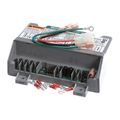
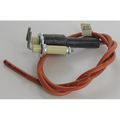


York Pilot & Ignition parts cover the pilot burners, hot surface ignitors, flame sensors, and orifices that light and monitor the burner on York gas furnaces and boilers. York's S1-025-32625-000 hot surface ignitor uses a silicon nitride element, the same basic ignition technology found across most modern hot surface ignition systems.
Pilot orifices, like York's .042 size natural gas orifice, control how much gas reaches the pilot flame on standing-pilot equipment still in service. Flame sensors, such as York's S1-02535306000, confirm a flame is actually present after ignition so the control board can keep the gas valve open safely. Techs servicing older York equipment run into standing pilot components almost as often as hot surface ignition parts on newer units, so keeping both types stocked avoids a second trip for a part that could've been on the truck already.
Subcategories
- Pilot Burners and Assemblies: Pilot burner assemblies hold the small standing pilot flame that lights the main burner on older York furnaces and boilers still running standing-pilot ignition. York's parts catalog includes pilot and ignitor assemblies for a range of legacy units still in the field. Techs replace the full assembly when the pilot tube, orifice, or thermocouple mount has corroded past the point of a simple orifice swap. Standing-pilot systems remain common enough on older equipment that these assemblies stay in regular demand.
- Hot Surface Ignitors: Hot surface ignitors replace the standing pilot flame entirely, heating a ceramic or silicon nitride element hot enough to light the main burner directly. York's S1-025-32625-000 uses a silicon nitride ignitor element, a material chosen for its resistance to thermal shock over repeated heating cycles. Furnaces built after the shift away from standing pilots almost universally use one of these ignitors instead of a pilot assembly. A cracked or broken ignitor element is one of the most common reasons a furnace fails to light on the first call for heat.
- Flame Sensors: Flame sensors confirm the burner actually lit after the ignitor fires, sending a signal back to the control board to keep the gas valve open. York's S1-02535306000 flame sensor serves this role on a range of York furnace models. A dirty or corroded flame sensor rod is a frequent cause of a furnace that lights briefly and then shuts back down. Cleaning or replacing the sensor rod is often the fastest fix for that specific symptom.
- Pilot Orifices: Pilot orifices control the volume of gas reaching a standing pilot flame, sized specifically to the gas type and pilot burner design. York's S1-029-20422-058 is a natural gas pilot orifice sized at .042 inch, matched to specific pilot burner assemblies. Swapping an orifice sized for natural gas onto a propane system, or the reverse, produces an incorrect pilot flame that won't reliably light the main burner. Orifice replacement is a quick fix on standing-pilot equipment when the pilot flame burns too large, too small, or inconsistently.
Buying Guide
Identify the ignition system type on the equipment before ordering any part. Standing-pilot systems need a pilot burner assembly and a correctly sized orifice, while hot surface ignition systems need an ignitor rated for the specific furnace or boiler model. York Pilot & Ignition parts cover both system types, since plenty of older standing-pilot equipment remains in service alongside newer hot surface designs.
Matching the exact part number matters more on ignition components than on many other HVAC parts, since a hot surface ignitor's voltage, lead length, and mounting bracket all need to fit the original equipment exactly. York's silicon nitride ignitors, like the S1-025-32625-000, resist thermal shock better than older ceramic designs, which extends service life on units that cycle on and off frequently during a heating season.
Flame sensors wear out or foul with buildup over time even without a full failure, so a furnace that lights and then shuts down within a few seconds is a strong signal the sensor rod needs cleaning or replacing rather than the ignitor itself. Pilot orifices need to match the fuel type in use, since a natural gas orifice sized at .042 inch won't deliver the correct flame on a propane system and vice versa. Techs stocking a truck for York service calls benefit from carrying at least one ignitor, one flame sensor, and a couple of common orifice sizes, since these are the parts most likely to fail during a routine heating season.
Frequently Asked Questions
How can a tech tell whether a York furnace uses a pilot assembly or a hot surface ignitor?
Older standing-pilot furnaces use a pilot burner assembly with a small visible flame, while newer units use a hot surface ignitor that glows and lights the burner directly with no visible pilot flame. Checking the furnace's age and control board type usually confirms which system is installed before a part gets ordered. York's parts catalog covers both pilot assemblies and hot surface ignitors like the S1-025-32625-000.
What causes a York hot surface ignitor to fail?
Silicon nitride ignitor elements resist thermal shock, but repeated heating and cooling cycles still wear them down over years of service. A cracked or broken element is the most common failure mode, usually visible as a physical crack across the ignitor tip. Replacing the ignitor with the correct part number, such as York's S1-025-32625-000, restores normal ignition.
Why does a York furnace light briefly and then shut off?
A dirty or corroded flame sensor is a frequent cause of this exact symptom, since the control board shuts off gas flow when it stops detecting a flame signal. Cleaning the sensor rod often resolves the issue without a full replacement. York's S1-02535306000 flame sensor is a direct replacement when cleaning doesn't restore reliable operation.
What size pilot orifice does a York natural gas furnace need?
Orifice size depends on the specific pilot burner assembly and fuel type on the equipment. York's S1-029-20422-058 is a .042 inch natural gas orifice sized for specific pilot burner models. Confirming the fuel type and matching the exact orifice size prevents an incorrect pilot flame that won't reliably light the main burner.
Can a flame sensor be cleaned instead of replaced?
Cleaning the sensor rod with a light abrasive pad often restores a weak flame signal caused by carbon buildup. Corrosion or physical damage to the rod itself usually means cleaning won't hold up long term. York's S1-02535306000 flame sensor is a straightforward replacement once cleaning stops resolving the problem.
