




Zurn Arrestors

 --%3E %3Csvg version='1.1' id='No-RB' xmlns='http://www.w3.org/2000/svg' xmlns:xlink='http://www.w3.org/1999/xlink' x='0px' y='0px' viewBox='0 0 100 100' enable-background='new 0 0 100 100' xml:space='preserve'%3E %3Cpath fill='%23CECECE' d='M79.44,0.95H20.56C9.78,0.95,0.95,9.78,0.95,20.56v58.87c0,10.79,8.82,19.61,19.61,19.61h58.87 c10.79,0,19.61-8.83,19.61-19.61V20.56C99.05,9.78,90.22,0.95,79.44,0.95z M65.38,58.24l9.38,29.58L49.69,69.78L24.5,87.82 l9.34-29.6L8.8,39.6l30.73-0.17c0,0,6.98-19.61,10-28.93c0.54,1.36,9.88,29.1,9.88,29.1H91.2L65.38,58.24z'/%3E %3C/svg%3E)
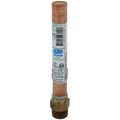

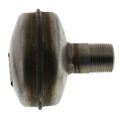


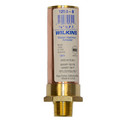
Zurn Arrestors are water hammer arrestors that absorb the pressure spike created when a fast-closing valve or solenoid, like the one in a washing machine or dishwasher, suddenly stops water flow in a supply line. Instead of that shock traveling through the pipe as a loud bang and repeated stress on joints and fittings, the arrestor's internal piston or bellows compresses to cushion the pressure surge.
Plumbers install these devices close to the fixture or appliance causing the hammer, typically at laundry boxes, dishwasher connections, and quick-closing solenoid valves throughout a building. Skipping an arrestor on a line prone to hammer risks loosened joints, leaking connections, and premature wear on valves over time, which makes sizing and placement worth getting right the first time rather than retrofitting after a complaint.
Subcategories
- Mini-Rester Arrestors: Compact arrestors sized for individual fixture connections like a single sink, toilet, or dishwasher line, these mount directly at the stop valve without requiring extra branch piping. Their small size makes them a practical retrofit option in tight spaces.
- Piston-Type Arrestors: A sealed piston moves against an air or gas charge to absorb the pressure spike, offering a design that maintains its cushioning action over a long service life without the air charge dissipating the way a simple air chamber can. These suit both residential and light commercial installations.
- Hydro-Rester Arrestors: Sized for larger commercial and multi-fixture applications, these arrestors handle higher flow volumes and are typically installed on a main branch line serving multiple fixtures or a bank of laundry connections rather than a single appliance.
- Laundry Box and Outlet Box Arrestors: Built into or paired with a recessed laundry outlet box, these arrestors address the hammer created by a washing machine's solenoid valves at the exact point of installation, keeping the fix contained to a single, accessible location behind the appliance.
Buying Guide
Sizing an arrestor starts with the fixture unit rating of the line it protects rather than just the pipe diameter. Manufacturers publish sizing charts tied to fixture units, and matching the arrestor size to that rating ensures it can absorb the actual pressure spike the connected fixtures generate.
Placement matters as much as sizing. An arrestor works best when installed as close as possible to the valve or solenoid causing the hammer, since pressure waves lose some of their force traveling through additional pipe length before reaching a farther-away arrestor.
Consider the application when choosing between a piston-type and a simple air chamber style. Piston and bellows designs hold their cushioning performance longer because they aren't relying on a trapped air pocket that can dissipate into the water over time, which matters most on lines where hammer occurs frequently, like a household laundry connection.
For commercial or multi-fixture branch lines, a properly sized Hydro-Rester or similar larger-capacity arrestor at the branch takeoff can protect several fixtures at once, which is often more practical than installing individual arrestors at every connection downstream.
Finally, check that the arrestor's connection type and thread size match the existing fixture supply or branch line. Confirming this before ordering avoids a mismatched fitting that adds an extra trip to the supply house mid-installation.
Frequently Asked Questions
What causes water hammer in a plumbing system?
Water hammer happens when a fast-closing valve or solenoid, such as one in a washing machine or dishwasher, abruptly stops water flow, sending a pressure spike back through the pipe. That spike creates the banging noise and stress on joints that an arrestor is designed to absorb.
Where should a water hammer arrestor be installed?
It should be installed as close as possible to the valve or solenoid causing the hammer, since pressure waves lose some force traveling through additional pipe length. Common locations include laundry boxes, dishwasher connections, and quick-closing solenoid valves.
How is an arrestor sized for a given fixture?
Sizing is based on the fixture unit rating of the line rather than the pipe diameter alone, using the sizing chart published for the specific arrestor product. Matching the size to the fixture unit rating ensures it can absorb the actual pressure spike generated.
Are piston-type arrestors better than a simple air chamber?
Piston and bellows-style arrestors tend to hold their cushioning performance longer because they don't rely on a trapped air pocket that can dissipate into the water over time. This makes them a common choice for connections where hammer occurs frequently.
Can one arrestor protect multiple fixtures?
A properly sized larger-capacity arrestor installed at a branch takeoff can protect several fixtures downstream at once, which is often more practical than placing individual arrestors at every connection. Commercial and multi-fixture applications frequently use this approach.
