




2 Hole Straps
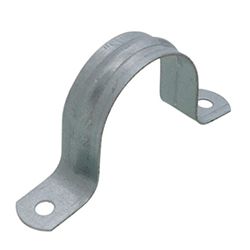
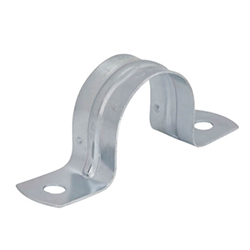
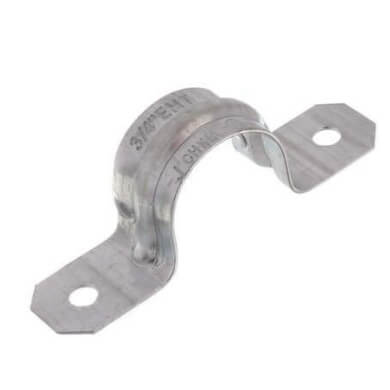
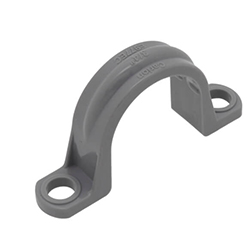
2 hole straps secure conduit and pipe to framing, studs, and other structural surfaces using two fastener points spaced along a single strap body. The lineup here covers steel straps sized for EMT and rigid conduit, PVC-coated options for wet or corrosive locations, and versions built for copper, PEX, or CPVC plumbing runs.
Matching strap material and size to the exact conduit or pipe diameter keeps a run secure without over-tightening or crushing the line. Electricians and plumbers both rely on this hardware for day-to-day rough-in work, and having the right straps on hand speeds up inspections that check for proper support spacing.

Subcategories
- EMT Conduit Straps: Sized to standard electrical metallic tubing (EMT) trade diameters, these steel straps mount EMT runs directly to studs, joists, or masonry. Contractors rely on them to keep conduit runs straight, level, and code-compliant along exposed walls and ceilings.
- PVC Conduit Straps: Built from PVC or coated steel, these straps are made for rigid PVC conduit in wet, buried, or chemically exposed locations. The plastic or coated construction resists rust and won't degrade from the moisture or chemicals common in irrigation and exterior electrical runs.
- Plumbing Pipe Straps: Used to secure copper, PEX, or CPVC pipe runs to framing members during rough-in. Copper-plated or vinyl-coated versions prevent the galvanic reaction that occurs when bare steel touches copper pipe directly.
- Rigid/IMC Conduit Straps: Made from heavier-gauge steel that matches the wall thickness of rigid metal conduit (RMC) and intermediate metal conduit (IMC). Used in exposed runs, industrial facilities, and any installation where extra mechanical protection is required.
Buying Guide
Matching strap material to the pipe or conduit being supported is the first decision. Plain steel suits dry, indoor electrical runs; copper-plated or vinyl-coated steel is the standard choice near copper plumbing pipe; and PVC or coated straps hold up in wet, buried, or corrosive settings where bare steel would rust.
Strap size has to match the nominal outside diameter of the conduit or pipe. A strap sized too small will not seat over the run, and one sized too large won't hold it firmly, so checking the diameter against the strap's stated size range before ordering avoids a return trip to the supply house.
The mounting substrate affects which fastener works with the strap. Wood framing takes a standard wood screw, while masonry or steel studs call for an anchor or self-tapping screw rated for that surface, and 2 hole straps are typically sold without fasteners so the right screw type can be matched separately.
Local code often sets minimum support intervals for conduit and pipe runs, so planning strap spacing before a run starts helps keep the job on schedule and passing inspection. Checking the applicable code for the specific conduit or pipe type is worth doing before a long run is fastened in place.
For crews running a lot of conduit or pipe, buying 2 hole straps by the box rather than individually keeps a service van stocked and cuts down on mid-job supply runs. Standardizing on one or two common sizes and materials for a given job type also simplifies inventory on the truck.
Frequently Asked Questions
What is the difference between a 2 hole strap and a 1 hole strap?
A 2 hole strap uses two fasteners set into one hole pattern, spreading the load across two anchor points for a more rigid hold. A 1 hole strap uses a single center fastener and pivots slightly around it, which some installers prefer for quick, low-load mounting.
Can 2 hole straps be used on both conduit and plumbing pipe?
Yes, as long as the strap size matches the outside diameter and the material is appropriate for the pipe or conduit being run. Copper-plated or vinyl-coated straps are the usual pick for copper plumbing pipe to prevent galvanic corrosion.
What material should be used for outdoor or wet installations?
PVC-coated or plastic straps hold up best outdoors or in wet, buried, or chemically exposed locations, since they resist the rust that develops on uncoated steel over time in those conditions.
Do 2 hole straps need a specific screw type?
Most 2 hole straps ship without fasteners, so the screw type depends on the mounting substrate: wood screws for framing, and masonry or self-tapping anchors for concrete, block, or metal studs.
How is the right size strap selected?
Measure the outside diameter of the conduit or pipe and match it to the strap's stated size range. A strap that is too small won't seat over the run, and one that is too large won't hold the run firmly in place.
Resources
Subcategories
- EMT Conduit Straps: Sized to standard electrical metallic tubing (EMT) trade diameters, these steel straps mount EMT runs directly to studs, joists, or masonry. Contractors rely on them to keep conduit runs straight, level, and code-compliant along exposed walls and ceilings.
- PVC Conduit Straps: Built from PVC or coated steel, these straps are made for rigid PVC conduit in wet, buried, or chemically exposed locations. The plastic or coated construction resists rust and won't degrade from the moisture or chemicals common in irrigation and exterior electrical runs.
- Plumbing Pipe Straps: Used to secure copper, PEX, or CPVC pipe runs to framing members during rough-in. Copper-plated or vinyl-coated versions prevent the galvanic reaction that occurs when bare steel touches copper pipe directly.
- Rigid/IMC Conduit Straps: Made from heavier-gauge steel that matches the wall thickness of rigid metal conduit (RMC) and intermediate metal conduit (IMC). Used in exposed runs, industrial facilities, and any installation where extra mechanical protection is required.
Buying Guide
Matching strap material to the pipe or conduit being supported is the first decision. Plain steel suits dry, indoor electrical runs; copper-plated or vinyl-coated steel is the standard choice near copper plumbing pipe; and PVC or coated straps hold up in wet, buried, or corrosive settings where bare steel would rust.
Strap size has to match the nominal outside diameter of the conduit or pipe. A strap sized too small will not seat over the run, and one sized too large won't hold it firmly, so checking the diameter against the strap's stated size range before ordering avoids a return trip to the supply house.
The mounting substrate affects which fastener works with the strap. Wood framing takes a standard wood screw, while masonry or steel studs call for an anchor or self-tapping screw rated for that surface, and 2 hole straps are typically sold without fasteners so the right screw type can be matched separately.
Local code often sets minimum support intervals for conduit and pipe runs, so planning strap spacing before a run starts helps keep the job on schedule and passing inspection. Checking the applicable code for the specific conduit or pipe type is worth doing before a long run is fastened in place.
For crews running a lot of conduit or pipe, buying 2 hole straps by the box rather than individually keeps a service van stocked and cuts down on mid-job supply runs. Standardizing on one or two common sizes and materials for a given job type also simplifies inventory on the truck.
Frequently Asked Questions
What is the difference between a 2 hole strap and a 1 hole strap?
A 2 hole strap uses two fasteners set into one hole pattern, spreading the load across two anchor points for a more rigid hold. A 1 hole strap uses a single center fastener and pivots slightly around it, which some installers prefer for quick, low-load mounting.
Can 2 hole straps be used on both conduit and plumbing pipe?
Yes, as long as the strap size matches the outside diameter and the material is appropriate for the pipe or conduit being run. Copper-plated or vinyl-coated straps are the usual pick for copper plumbing pipe to prevent galvanic corrosion.
What material should be used for outdoor or wet installations?
PVC-coated or plastic straps hold up best outdoors or in wet, buried, or chemically exposed locations, since they resist the rust that develops on uncoated steel over time in those conditions.
Do 2 hole straps need a specific screw type?
Most 2 hole straps ship without fasteners, so the screw type depends on the mounting substrate: wood screws for framing, and masonry or self-tapping anchors for concrete, block, or metal studs.
How is the right size strap selected?
Measure the outside diameter of the conduit or pipe and match it to the strap's stated size range. A strap that is too small won't seat over the run, and one that is too large won't hold the run firmly in place.