




Filters
SORT
Product Availability –
Voltage –
Cord Length –
Review Score –
 --%3E %3Csvg version='1.1' id='Fill' xmlns='http://www.w3.org/2000/svg' xmlns:xlink='http://www.w3.org/1999/xlink' x='0px' y='0px' viewBox='0 0 100 100' enable-background='new 0 0 100 100' xml:space='preserve'%3E %3Cpath fill='%23F15C02' d='M79.44,0.95H20.56C9.78,0.95,0.95,9.78,0.95,20.56v58.87c0,10.79,8.82,19.61,19.61,19.61h58.87 c10.79,0,19.61-8.83,19.61-19.61V20.56C99.05,9.78,90.22,0.95,79.44,0.95z M65.38,58.24l9.38,29.58L49.69,69.78L24.5,87.82 l9.34-29.6L8.8,39.6l30.73-0.17c0,0,6.98-19.61,10-28.93c0.54,1.36,9.88,29.1,9.88,29.1H91.2L65.38,58.24z'/%3E %3C/svg%3E)
 --%3E %3Csvg version='1.1' id='With-RB' xmlns='http://www.w3.org/2000/svg' xmlns:xlink='http://www.w3.org/1999/xlink' x='0px' y='0px' viewBox='0 0 100 100' enable-background='new 0 0 100 100' xml:space='preserve'%3E %3Cpath fill='%23FBC8B4' d='M79.44,0.95H20.56C9.78,0.95,0.95,9.78,0.95,20.56v58.87c0,10.79,8.82,19.61,19.61,19.61h58.87 c10.79,0,19.61-8.83,19.61-19.61V20.56C99.05,9.78,90.22,0.95,79.44,0.95z M65.38,58.24l9.38,29.58L49.69,69.78L24.5,87.82 l9.34-29.6L8.8,39.6l30.73-0.17c0,0,6.98-19.61,10-28.93c0.54,1.36,9.88,29.1,9.88,29.1H91.2L65.38,58.24z'/%3E %3C/svg%3E)
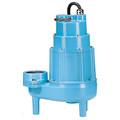
20E Series 2 HP

 --%3E %3Csvg version='1.1' id='No-RB' xmlns='http://www.w3.org/2000/svg' xmlns:xlink='http://www.w3.org/1999/xlink' x='0px' y='0px' viewBox='0 0 100 100' enable-background='new 0 0 100 100' xml:space='preserve'%3E %3Cpath fill='%23CECECE' d='M79.44,0.95H20.56C9.78,0.95,0.95,9.78,0.95,20.56v58.87c0,10.79,8.82,19.61,19.61,19.61h58.87 c10.79,0,19.61-8.83,19.61-19.61V20.56C99.05,9.78,90.22,0.95,79.44,0.95z M65.38,58.24l9.38,29.58L49.69,69.78L24.5,87.82 l9.34-29.6L8.8,39.6l30.73-0.17c0,0,6.98-19.61,10-28.93c0.54,1.36,9.88,29.1,9.88,29.1H91.2L65.38,58.24z'/%3E %3C/svg%3E)


20E Series 2 HP pumps are submersible effluent pumps built for wastewater and septic jobs that need more lift than a standard sump pump can provide. Plumbing and septic contractors reach for this series when a job calls for moving effluent or gray water up and over a long vertical run, or through an extended horizontal discharge line. A 2 HP motor puts these units near the top of the effluent pump range, giving them the push needed for demanding lift-station and mound-system installations. The submersible design lets the pump sit directly in the sump or basin, cutting down on above-ground plumbing and keeping the install compact.
Contractors specifying a pump from this series are often replacing an undersized unit that has been short-cycling or failing to clear the basin during peak flow. Matching horsepower, discharge size, and switch type to the actual lift and flow demands of the site keeps the system running efficiently and helps the pump last through years of heavy-duty service.
Subcategories
- Manual Effluent Pumps: Manual models run continuously once wired to power, with no integrated float switch. Installers pair them with a separate control panel or an external float when the basin needs automatic on/off cycling. Contractors typically choose manual units for lift stations that already have dedicated controls, since it keeps switching logic centralized rather than built into the pump itself.
- Automatic Effluent Pumps: Automatic versions include a built-in float switch that starts and stops the pump as basin levels rise and fall, without a separate control panel. These suit single-pump residential and light commercial setups where simplicity matters more than centralized monitoring. Contractors favor automatic models for straightforward gray water or effluent basins with predictable, steady flow.
- Three-Phase Models: Three-phase versions of this series serve commercial and light industrial sites already wired for three-phase power, such as multi-unit residential buildings or small commercial lift stations. They pair with dedicated control panels rather than running on a simple float switch. Electricians and pump installers select three-phase units when the building service and expected duty cycle call for that motor configuration.
- Replacement Seals and Parts: Replacement seals, impellers, and cord kits keep an existing 20E Series pump in service without a full unit swap. Service techs stock these parts for routine maintenance calls on pumps that are still mechanically sound but need a seal replaced after years of continuous submersion. Keeping the right parts on hand shortens turnaround on emergency lift-station repairs.
Buying Guide
Start by confirming the total dynamic head and flow rate the application actually needs. A 20E Series 2 HP pump is built for higher-head jobs, so it is the wrong choice for a shallow basin that a smaller, less expensive pump could handle efficiently; oversizing wastes energy and can cause short-cycling. Pull the vertical lift, pipe run length, and expected peak flow from the site conditions before narrowing down a model.
Next, decide between a manual and an automatic switch configuration. Automatic models simplify single-pump residential and light commercial installs, while manual models make more sense where a dedicated control panel already handles switching, especially in duplex or alternating lift-station setups. Confirm the electrical service on site, since three-phase models require wiring and control equipment that single-phase automatic units do not.
Check discharge size and cord length against the basin depth and the existing plumbing, and plan for a check valve on the discharge line to prevent backflow when the pump cycles off. Finally, consider access for future service. A pump that needs frequent seal or impeller replacement should sit in a basin with enough clearance to pull it without disturbing the surrounding plumbing, which keeps future maintenance calls faster and less disruptive.
Frequently Asked Questions
What is the difference between a manual and an automatic effluent pump?
A manual pump runs whenever it has power and needs a separate control panel or float switch to cycle on and off. An automatic pump has a float switch built in, so it starts and stops on its own as the basin level changes.
When does a job need a 2 HP effluent pump instead of a smaller model?
A 2 HP pump makes sense when the site has a long vertical lift, an extended discharge run, or higher flow demands than a standard sump or effluent pump can handle. If the head and flow requirements are modest, a smaller pump is usually more efficient.
Can a three-phase model be wired into a residential single-phase panel?
No. Three-phase pumps require three-phase electrical service and a compatible control panel. Residential jobs on single-phase power should use a single-phase manual or automatic model instead.
How often should the seals be inspected or replaced?
Inspection intervals depend on duty cycle and the material being pumped, but any pump that has been running continuously for several years benefits from a seal check during routine maintenance, since seal wear is a common cause of motor failure in submersible pumps.
Does this pump require a check valve on the discharge line?
A check valve on the discharge line is standard practice for effluent and sewage pumps. It stops water in the discharge pipe from draining back into the basin when the pump shuts off, which reduces short-cycling and wear on the motor.
