



'/%3E%3C/svg%3E)
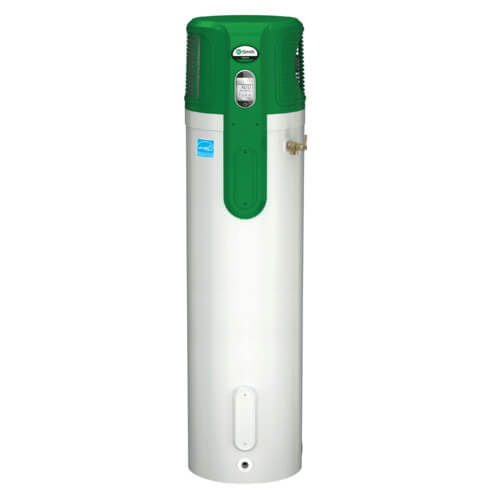
80 Gallon Voltex Residential Hybrid Electric Heat Pump Water Heater
 --%3E %3Csvg version='1.1' id='Fill' xmlns='http://www.w3.org/2000/svg' xmlns:xlink='http://www.w3.org/1999/xlink' x='0px' y='0px' viewBox='0 0 100 100' enable-background='new 0 0 100 100' xml:space='preserve'%3E %3Cpath fill='%23F15C02' d='M79.44,0.95H20.56C9.78,0.95,0.95,9.78,0.95,20.56v58.87c0,10.79,8.82,19.61,19.61,19.61h58.87 c10.79,0,19.61-8.83,19.61-19.61V20.56C99.05,9.78,90.22,0.95,79.44,0.95z M65.38,58.24l9.38,29.58L49.69,69.78L24.5,87.82 l9.34-29.6L8.8,39.6l30.73-0.17c0,0,6.98-19.61,10-28.93c0.54,1.36,9.88,29.1,9.88,29.1H91.2L65.38,58.24z'/%3E %3C/svg%3E)
 --%3E %3Csvg version='1.1' id='Half' xmlns='http://www.w3.org/2000/svg' xmlns:xlink='http://www.w3.org/1999/xlink' x='0px' y='0px' viewBox='0 0 100 100' enable-background='new 0 0 100 100' xml:space='preserve'%3E %3Cg%3E %3Cpath fill='%23F15C02' d='M30.05,70.23l3.79-12.01L8.8,39.6l30.73-0.17c0,0,6.98-19.61,10-28.93c0.54,1.36,9.88,29.1,9.88,29.1h1.58 L93.71,7.18c-3.58-3.82-8.66-6.23-14.28-6.23H20.56C9.78,0.95,0.95,9.78,0.95,20.56v58.87c0,5.41,2.22,10.32,5.79,13.88 L30.05,70.23z'/%3E %3C/g%3E %3Cpath fill='%23FBC8B4' d='M93.71,7.18L60.98,39.6H91.2L65.38,58.24l9.38,29.58L49.69,69.78L24.5,87.82l5.55-17.59L6.75,93.32 c3.55,3.54,8.44,5.73,13.82,5.73h58.87c10.79,0,19.61-8.83,19.61-19.61V20.56C99.05,15.4,97.01,10.69,93.71,7.18z'/%3E %3C/svg%3E)
' fill='%23F15C02' d='M49 0C21.938 0 0 21.938 0 49s21.938 49 49 49 49-21.938 49-49S76.062 0 49 0m0 82.709a7.54 7.54 0 1 1 0-15.08 7.54 7.54 0 0 1 0 15.08m7.54-28.412a7.541 7.541 0 0 1-15.08 0V22.831a7.54 7.54 0 0 1 15.08 0v31.466z'/%3E%3C/svg%3E)
MANUALS (6)
 --%3E %3Csvg version='1.1' id='No-RB' xmlns='http://www.w3.org/2000/svg' xmlns:xlink='http://www.w3.org/1999/xlink' x='0px' y='0px' viewBox='0 0 100 100' enable-background='new 0 0 100 100' xml:space='preserve'%3E %3Cpath fill='%23CECECE' d='M79.44,0.95H20.56C9.78,0.95,0.95,9.78,0.95,20.56v58.87c0,10.79,8.82,19.61,19.61,19.61h58.87 c10.79,0,19.61-8.83,19.61-19.61V20.56C99.05,9.78,90.22,0.95,79.44,0.95z M65.38,58.24l9.38,29.58L49.69,69.78L24.5,87.82 l9.34-29.6L8.8,39.6l30.73-0.17c0,0,6.98-19.61,10-28.93c0.54,1.36,9.88,29.1,9.88,29.1H91.2L65.38,58.24z'/%3E %3C/svg%3E)

Product Highlights


Description
Over twice as efficient as a standard electric water heater and easy to install, the Voltex more than lives up to its impressive reputation. With flexible operation modes, this is a water heater designed to work in many different applications.
Water heaters typically use more energy than most other household appliances. On average, they use more energy than a household's refrigerator, dishwasher, clothes washer and dryer combined. The great news is that the Voltex has been designed to dramatically decrease the cost of operation. In fact, the Voltex can translate into quite significant savings for the homeowner over the course of its lifespan. Just how significant? With its 2.3 EF rating (compared to an average .93 -.95 EF rating of a standard electric model), this innovative water heater can cut annual operating costs by more than half.
The Voltex Hybrid Electric Heat Pump Water Heater can be effectively used in all areas of the U.S. Based on the location, either or both of the heating components - heat pump and traditional heating elements - will operate for optimal performance.
How does it work?
- Absorbs ambient heat from the surrounding air to heat water using a compressor and environmentally friendly R134a refrigerant
- Self-contained heat pump unit is integrated into the top of the tank
- Multiple modes of operation allow flexibility for different hot water needs
Features:
- INCREASED STORAGE ENHANCES EFFICIENCY: The high capacity tank enables the heat pump to operate more frequently instead of the elements. This provides higher energy efficiency and lower operating costs, saving money for the home-owner. Additional storage facilitates heat pump performance even in cooler climates.
- ENERGY EFFICIENCY: 2.3 Energy Factor conserves energy and meets Energy Star ® requirements
- CHOICE OF OPERATING MODES: Select from Efficiency, Hybrid, or conventional Electric modes to match heating requirements to environmental conditions. Hybrid mode automatically adjusts between compressor and element, depending upon heat requirements. Vacation mode protects system components from freeze damage.
- BACKUP ELECTRIC ELEMENTS: Long-lasting incoloy heating elements, 240V/2000W lower and 240V/4500W upper, helps heat water when in conventional Electric or Hybrid modes.
- ELECTRONIC USER INTERFACE: User friendly electronic control module designed for easy interaction. Large LCD temperature display shows temperature in °F or °C, operating conditions, and service messages in easy to read format. Backlit mode buttons, safety lock to deter unwanted access and three-line display communicates current status and error messages when applicable.
- POWERED ANODE: A powered anode is installed to protect the tank from corrosion and eliminate the service requirements of a conventional anode rod.
- DEHUMIDIFICATION: Ideal for basements, the compressor transfers heat to your water while dehumidifying the ambient air. Washable heat pump filter is easily removed for routine cleaning.
- TEN YEAR LIMITED WARRANTY
- Qualifies for 2010 FEDERAL Tax Credit of up to $1,500
Specs
| Application: | Plumbing |
|---|---|
| Fuel Type: | Electric |
| Capacity (Gallons): | 80 |
| Efficiency Mode 1st Hour Rating : | 70 Gallon |
| Hybrid Mode 1st Hour Rating: | 84 Gallon |
| Electric Mode 1st Hour Rating: | 76 Gallon |
| Energy Star Rated: | Yes |
| Height (Inches): | 81.5" |
| Diameter (Inches): | 24-1/2" |
| Weight (lbs): | 410 lbs |
| Water Connection: | 3/4" |
| Max Temp (F): | 150°F |
| ASME: | No |
| Energy Factor: | 2.3 (Hybrid Mode) 2.3 (Efficiency Mode) 0.85 (Electric Mode) |
| Voltage: | 240v |
| Warranty: | 10 Year Limited |


Questions?
You May Also Need
Product Reviews
Wonderful

Plenty of HOT water...!!
Working well in the winter!
So far, so good.
Hybrid water heater review
Excellent product
 --%3E %3Csvg version='1.1' id='With-RB' xmlns='http://www.w3.org/2000/svg' xmlns:xlink='http://www.w3.org/1999/xlink' x='0px' y='0px' viewBox='0 0 100 100' enable-background='new 0 0 100 100' xml:space='preserve'%3E %3Cpath fill='%23FBC8B4' d='M79.44,0.95H20.56C9.78,0.95,0.95,9.78,0.95,20.56v58.87c0,10.79,8.82,19.61,19.61,19.61h58.87 c10.79,0,19.61-8.83,19.61-19.61V20.56C99.05,9.78,90.22,0.95,79.44,0.95z M65.38,58.24l9.38,29.58L49.69,69.78L24.5,87.82 l9.34-29.6L8.8,39.6l30.73-0.17c0,0,6.98-19.61,10-28.93c0.54,1.36,9.88,29.1,9.88,29.1H91.2L65.38,58.24z'/%3E %3C/svg%3E)
unsure
Very efficient, but need the right space
Product Q&A
4 QuestionsQ: About how many KWhr of electricity (on average)will it use annually? We want to be able to project how many solar panels would be needed to power it.
Asked by Solardave 13 years ago
Add your answer
Have no clue. Too many as compared to Eco cube.
I don't know based on my own experience but you can estimate this from the energy star appliance data at the department of Energy website I think Sent from my iPhone
That doesn't have a simple answer because the amount of electricity it will use in a year is HIGHLY dependent on the amount of your usage and also the ambient air temperature where it is installed. I read elsewhere that in full heat pump mode (max economy), the water heater draws 1100 watts, which sounds about right because I can actually run it easily with my generator. The amount of time it runs of course depends on how much water it has to heat to get back to your temperature setting and the temperature of the air it's drawing that heat from. During the winter, after my wife and two girls take their showers, it runs ~5 hours when the space it's in is about 61 deg. F. During the summer that time is only 3 hours when the space is about 69-70 deg F (it's in my basement, water temp. set to 125 deg F). Change any of those variables and the run time changes. Savings vs my previous standard builder's grade 80 gal water heater was about 30%, and it fully paid for itself and installation in 33 months.
Q: doew this need to be connected to the home heat pump or does it have its own?
Asked by george 14 years ago
Add your answer
Verified Reply- PexSupply StaffThis water heater does not need to be connected to an existing heat pump. It functions as a heat pump to heat domestic water.
Q: How much space do you need to operate this unit?
Asked by mrgerv 15 years ago
Add your answer
Verified Reply- PexSupply StaffThe water heater must be located in a space 750 cubic feet or larger, and must have unrestricted airflow. As an example, a room that has an 8 foot tall ceiling and is 10 feet long by 9-1/2 feet wide would contain 760 cubic feet. For optimal efficiency and serviceability, the following clearances should be maintained: 3 feet on the air inlet side, 5 feet. on the air outlet side, 6 inches in the back, and 2 feet in the front.
I think the unit needs about 800 cubic feet of space for the heat transfer to work efficiently in heat pump mode.
Q: Does anyone know if the voltex can be used for radiant floor heating?
Asked by gardina 16 years ago
Add your answer
Verified Reply- PexSupply StaffIt is not recommended by the manufacturer to use this for radiant floor heating.