




Filters
SORT
Product Availability –
Size –
Max Pressure (PSI) –
Review Score –
 --%3E %3Csvg version='1.1' id='Fill' xmlns='http://www.w3.org/2000/svg' xmlns:xlink='http://www.w3.org/1999/xlink' x='0px' y='0px' viewBox='0 0 100 100' enable-background='new 0 0 100 100' xml:space='preserve'%3E %3Cpath fill='%23F15C02' d='M79.44,0.95H20.56C9.78,0.95,0.95,9.78,0.95,20.56v58.87c0,10.79,8.82,19.61,19.61,19.61h58.87 c10.79,0,19.61-8.83,19.61-19.61V20.56C99.05,9.78,90.22,0.95,79.44,0.95z M65.38,58.24l9.38,29.58L49.69,69.78L24.5,87.82 l9.34-29.6L8.8,39.6l30.73-0.17c0,0,6.98-19.61,10-28.93c0.54,1.36,9.88,29.1,9.88,29.1H91.2L65.38,58.24z'/%3E %3C/svg%3E)
 --%3E %3Csvg version='1.1' id='With-RB' xmlns='http://www.w3.org/2000/svg' xmlns:xlink='http://www.w3.org/1999/xlink' x='0px' y='0px' viewBox='0 0 100 100' enable-background='new 0 0 100 100' xml:space='preserve'%3E %3Cpath fill='%23FBC8B4' d='M79.44,0.95H20.56C9.78,0.95,0.95,9.78,0.95,20.56v58.87c0,10.79,8.82,19.61,19.61,19.61h58.87 c10.79,0,19.61-8.83,19.61-19.61V20.56C99.05,9.78,90.22,0.95,79.44,0.95z M65.38,58.24l9.38,29.58L49.69,69.78L24.5,87.82 l9.34-29.6L8.8,39.6l30.73-0.17c0,0,6.98-19.61,10-28.93c0.54,1.36,9.88,29.1,9.88,29.1H91.2L65.38,58.24z'/%3E %3C/svg%3E)
Apollo Valves Vacuum Breakers




 --%3E %3Csvg version='1.1' id='No-RB' xmlns='http://www.w3.org/2000/svg' xmlns:xlink='http://www.w3.org/1999/xlink' x='0px' y='0px' viewBox='0 0 100 100' enable-background='new 0 0 100 100' xml:space='preserve'%3E %3Cpath fill='%23CECECE' d='M79.44,0.95H20.56C9.78,0.95,0.95,9.78,0.95,20.56v58.87c0,10.79,8.82,19.61,19.61,19.61h58.87 c10.79,0,19.61-8.83,19.61-19.61V20.56C99.05,9.78,90.22,0.95,79.44,0.95z M65.38,58.24l9.38,29.58L49.69,69.78L24.5,87.82 l9.34-29.6L8.8,39.6l30.73-0.17c0,0,6.98-19.61,10-28.93c0.54,1.36,9.88,29.1,9.88,29.1H91.2L65.38,58.24z'/%3E %3C/svg%3E)
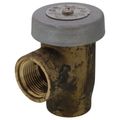



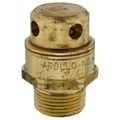

Apollo Valves Vacuum Breakers prevent backflow by breaking the vacuum that can form in a supply line, stopping contaminated water from being siphoned back into the potable water system. A vacuum can form when supply pressure drops unexpectedly, such as during a water main break or when a hose is left submerged in a bucket or pool, and without a vacuum breaker that negative pressure can pull non-potable water backward into the piping system. Apollo's line includes atmospheric vacuum breakers, which are simple in design and must be installed above the flood level of the fixture they protect, and pressure vacuum breakers, which include a ball valve and test cocks so they can stay under continuous pressure and still be periodically tested. Hose connection vacuum breakers protect individual hose bibs and outdoor spigots where a hose might otherwise be left in standing water. Plumbers select the type based on the application's pressure conditions and whether local code requires periodic testing of the device.
Subcategories
- Atmospheric Vacuum Breakers: Atmospheric vacuum breakers are the simplest style, using a check disc that seats against atmospheric pressure to block backflow, and they must be installed above the flood level rim of the fixture they protect and cannot be under continuous supply pressure. They're common on irrigation systems and other applications where the water supply is shut off between uses rather than left pressurized. Because they have no test cocks, they generally aren't used where local code requires periodic backflow testing.
- Pressure Vacuum Breakers: Pressure vacuum breakers add a spring-loaded check assembly along with a ball valve and test cocks, which allows them to remain under continuous water pressure while still providing backflow protection. The test cocks let a certified tester periodically verify the device is functioning, which is often a code requirement for irrigation systems and other continuously pressurized applications. These units are typically installed at a specific minimum height above the highest downstream outlet.
- Hose Connection Vacuum Breakers: Hose connection vacuum breakers thread directly onto an outdoor hose bib or sillcock, protecting against backflow from a hose left submerged in a pool, bucket, or chemical sprayer. These are a common, low-cost way to bring an existing hose bib into compliance with plumbing code without replacing the fixture itself. Lead-free brass construction is standard on current models sold for potable water applications.
- Repair Kits: Repair kits let a plumber rebuild an existing vacuum breaker's internal check components without replacing the entire device, which is typically faster and less expensive than a full replacement. Kits are matched to specific model numbers, so identifying the exact vacuum breaker model before ordering a kit is necessary for a correct fit. Rebuilding rather than replacing is common maintenance practice on irrigation systems where vacuum breakers see seasonal wear.
Buying Guide
Choosing the right Apollo vacuum breaker starts with whether the application needs to stay under continuous pressure. An atmospheric vacuum breaker is the simpler and less expensive option, but it can't be used where the supply stays pressurized behind it, and it must be mounted above the flood level of the protected fixture. A pressure vacuum breaker costs more but allows continuous pressure and includes test cocks, which is often required by code for irrigation systems and other installations that need periodic backflow testing. For individual outdoor hose bibs, a hose connection vacuum breaker is usually the simplest fix, threading directly onto the existing fixture without larger plumbing changes. Local code frequently dictates which type is acceptable for a given application, so checking backflow prevention requirements before purchasing avoids installing a device that won't pass inspection. Installation height matters for both atmospheric and pressure types, since they're designed to sit above the highest point they protect, and installing one too low defeats its purpose even if the correct model was chosen. For existing installations showing wear, a repair kit matched to the specific model number can restore proper function without a full replacement, which is typically the more economical choice when the device's body and fittings are otherwise in good condition.
Frequently Asked Questions
What is the difference between an atmospheric and pressure vacuum breaker?
An atmospheric vacuum breaker is simpler but can't stay under continuous supply pressure, while a pressure vacuum breaker includes a ball valve and test cocks that allow it to remain pressurized and be periodically tested.
Where should a vacuum breaker be installed?
Vacuum breakers generally need to be installed above the flood level rim of the fixture or outlet they protect, so the specific height requirement should be confirmed against local code before installation.
Can a vacuum breaker be repaired instead of replaced?
Yes, a repair kit matched to the specific model number can rebuild the internal check components, which is usually faster and less expensive than replacing the entire device.
Do all outdoor hose bibs need a vacuum breaker?
Many local plumbing codes require a vacuum breaker on outdoor hose bibs to prevent backflow from a hose left in standing water, so checking local code is the best way to confirm the requirement for a specific property.
Why do some vacuum breakers have test cocks and others don't?
Test cocks allow periodic verification that the device is functioning correctly, which is typically required for pressure vacuum breakers used in continuously pressurized applications like irrigation systems, while simpler atmospheric models aren't used in those applications and don't need testing ports.
