




Filters
SORT
Product Availability –
Review Score –
 --%3E %3Csvg version='1.1' id='Fill' xmlns='http://www.w3.org/2000/svg' xmlns:xlink='http://www.w3.org/1999/xlink' x='0px' y='0px' viewBox='0 0 100 100' enable-background='new 0 0 100 100' xml:space='preserve'%3E %3Cpath fill='%23F15C02' d='M79.44,0.95H20.56C9.78,0.95,0.95,9.78,0.95,20.56v58.87c0,10.79,8.82,19.61,19.61,19.61h58.87 c10.79,0,19.61-8.83,19.61-19.61V20.56C99.05,9.78,90.22,0.95,79.44,0.95z M65.38,58.24l9.38,29.58L49.69,69.78L24.5,87.82 l9.34-29.6L8.8,39.6l30.73-0.17c0,0,6.98-19.61,10-28.93c0.54,1.36,9.88,29.1,9.88,29.1H91.2L65.38,58.24z'/%3E %3C/svg%3E)
 --%3E %3Csvg version='1.1' id='With-RB' xmlns='http://www.w3.org/2000/svg' xmlns:xlink='http://www.w3.org/1999/xlink' x='0px' y='0px' viewBox='0 0 100 100' enable-background='new 0 0 100 100' xml:space='preserve'%3E %3Cpath fill='%23FBC8B4' d='M79.44,0.95H20.56C9.78,0.95,0.95,9.78,0.95,20.56v58.87c0,10.79,8.82,19.61,19.61,19.61h58.87 c10.79,0,19.61-8.83,19.61-19.61V20.56C99.05,9.78,90.22,0.95,79.44,0.95z M65.38,58.24l9.38,29.58L49.69,69.78L24.5,87.82 l9.34-29.6L8.8,39.6l30.73-0.17c0,0,6.98-19.61,10-28.93c0.54,1.36,9.88,29.1,9.88,29.1H91.2L65.38,58.24z'/%3E %3C/svg%3E)
Price Range –
Armstrong Air Fan Blades & Motors



 --%3E %3Csvg version='1.1' id='No-RB' xmlns='http://www.w3.org/2000/svg' xmlns:xlink='http://www.w3.org/1999/xlink' x='0px' y='0px' viewBox='0 0 100 100' enable-background='new 0 0 100 100' xml:space='preserve'%3E %3Cpath fill='%23CECECE' d='M79.44,0.95H20.56C9.78,0.95,0.95,9.78,0.95,20.56v58.87c0,10.79,8.82,19.61,19.61,19.61h58.87 c10.79,0,19.61-8.83,19.61-19.61V20.56C99.05,9.78,90.22,0.95,79.44,0.95z M65.38,58.24l9.38,29.58L49.69,69.78L24.5,87.82 l9.34-29.6L8.8,39.6l30.73-0.17c0,0,6.98-19.61,10-28.93c0.54,1.36,9.88,29.1,9.88,29.1H91.2L65.38,58.24z'/%3E %3C/svg%3E)


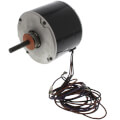
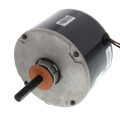



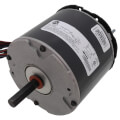
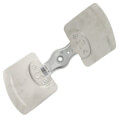
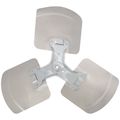
Armstrong Air Fan Blades & Motors are replacement components for the blower and condenser assemblies in furnaces, air handlers, and air conditioners that Armstrong Air has manufactured since 1928. Every Armstrong Air unit leaving the company's Orangeburg, South Carolina assembly facility is run tested before shipping, and that same fit-for-purpose approach carries over to replacement fan blades and motors, which are matched to a specific blower housing and motor frame size rather than sold as universal parts. A fan blade sized correctly for the housing but mismatched in pitch or diameter can reduce airflow even when the motor itself runs at the correct speed. Confirming both the motor's horsepower and rotation and the blade's diameter and pitch from the unit's nameplate keeps a fan blade and motor replacement performing at the airflow the system was designed for.
Subcategories
- Blower Motors: Blower motors circulate conditioned air through an Armstrong Air furnace or air handler's duct system, and they're specified by horsepower, voltage, and, on multi-speed units, the number of speed taps wired to the control board. A blower motor with the correct horsepower but a mismatched speed tap count will still run, but it won't deliver the staged airflow the system was set up to provide. Rotation direction also has to match the original motor, since a blower spinning the wrong way moves noticeably less air even at full speed. Recording horsepower, voltage, and speed configuration from the existing motor before ordering keeps airflow consistent with the original system design.
- Condenser Fan Motors: Condenser fan motors pull air across the outdoor coil on an Armstrong Air air conditioner or heat pump to reject heat from the refrigerant. These motors are specified by horsepower, RPM, rotation direction, and shaft length, and getting the rotation direction wrong will spin the fan backward, reducing the unit's ability to reject heat and potentially tripping a high-pressure safety control. Shaft length and diameter also need to match so the fan blade mounts at the correct height inside the fan guard. Confirming all four specifications from the failed motor's nameplate is the fastest path to a correct condenser fan motor replacement.
- Fan Blades: Fan blades mount to the motor shaft and are sized by diameter, pitch, and hub bore to move a specific volume of air for the blower housing or fan guard they're installed in. A blade with the correct bore but the wrong pitch will still turn, but it will move a different volume of air than the original design called for, which can affect either heating and cooling capacity or condenser cooling. Blade rotation, clockwise or counterclockwise as viewed from the motor side, also has to match the motor's rotation direction. Measuring the original blade's diameter, pitch, and bore before ordering avoids a mismatch that changes system airflow.
Buying Guide
Armstrong Air Fan Blades & Motors orders work best when they start with the specifications on the failed component's own nameplate rather than the furnace, air handler, or air conditioner's model number alone. Blower motors used in Armstrong Air furnaces and air handlers are specified by horsepower, voltage, and rotation direction, and multi-speed units add a speed tap count that has to match the control board wiring for the system to deliver its staged airflow settings correctly. Condenser fan motors on Armstrong Air air conditioners and heat pumps carry similar horsepower and rotation requirements, plus a shaft length and diameter that determines how high the fan blade sits inside the fan guard. Getting rotation direction wrong on either motor type is a common installation mistake, since a motor that runs but spins backward will still turn the fan or blower, just far less effectively, which can be mistaken for a different problem during troubleshooting. Fan blades are sized independently of the motor by diameter, pitch, and hub bore, and a blade that fits the shaft but has a different pitch than the original will move a different volume of air even at the same motor speed. Because Armstrong Air units are built and run tested as complete systems at the company's Orangeburg, South Carolina facility, replacement blower and condenser components are matched closely to each housing and motor frame size, which makes the original nameplate specifications more reliable than a general parts cross-reference.
Frequently Asked Questions
What specifications do I need before ordering an Armstrong Air blower motor?
Horsepower, voltage, rotation direction, and, for multi-speed units, the number of speed taps wired to the control board. Matching all of these keeps the furnace or air handler delivering its designed airflow.
Why would a new condenser fan motor cause the unit to trip on high pressure?
A motor installed with the wrong rotation direction will spin the fan backward, reducing airflow across the outdoor coil and letting refrigerant pressure climb. Confirming rotation direction on the nameplate before installing prevents this.
Can a fan blade with the correct bore but a different pitch be used as a replacement?
It will physically mount, but a different pitch moves a different volume of air than the original design called for. Matching diameter, pitch, and bore to the original blade keeps airflow consistent with the system's intended performance.
Are Armstrong Air blower motors interchangeable across different furnace models?
Only when horsepower, voltage, rotation, and speed tap configuration all match. Two furnace models with similar airflow ratings can still use motors that aren't interchangeable if the control board wiring differs.
Where can I find the specifications needed to order Armstrong Air fan blade and motor parts?
The nameplate on the existing motor or the fan blade itself lists horsepower, voltage, rotation direction, and, for blades, diameter and pitch. Recording these before ordering is more reliable than matching by furnace or condenser model alone.
