



Filters
SORT
Product Availability –
Product Type –
Review Score –
 --%3E %3Csvg version='1.1' id='Fill' xmlns='http://www.w3.org/2000/svg' xmlns:xlink='http://www.w3.org/1999/xlink' x='0px' y='0px' viewBox='0 0 100 100' enable-background='new 0 0 100 100' xml:space='preserve'%3E %3Cpath fill='%23F15C02' d='M79.44,0.95H20.56C9.78,0.95,0.95,9.78,0.95,20.56v58.87c0,10.79,8.82,19.61,19.61,19.61h58.87 c10.79,0,19.61-8.83,19.61-19.61V20.56C99.05,9.78,90.22,0.95,79.44,0.95z M65.38,58.24l9.38,29.58L49.69,69.78L24.5,87.82 l9.34-29.6L8.8,39.6l30.73-0.17c0,0,6.98-19.61,10-28.93c0.54,1.36,9.88,29.1,9.88,29.1H91.2L65.38,58.24z'/%3E %3C/svg%3E)
Price Range –
Auburn

 --%3E %3Csvg version='1.1' id='Half' xmlns='http://www.w3.org/2000/svg' xmlns:xlink='http://www.w3.org/1999/xlink' x='0px' y='0px' viewBox='0 0 100 100' enable-background='new 0 0 100 100' xml:space='preserve'%3E %3Cg%3E %3Cpath fill='%23F15C02' d='M30.05,70.23l3.79-12.01L8.8,39.6l30.73-0.17c0,0,6.98-19.61,10-28.93c0.54,1.36,9.88,29.1,9.88,29.1h1.58 L93.71,7.18c-3.58-3.82-8.66-6.23-14.28-6.23H20.56C9.78,0.95,0.95,9.78,0.95,20.56v58.87c0,5.41,2.22,10.32,5.79,13.88 L30.05,70.23z'/%3E %3C/g%3E %3Cpath fill='%23FBC8B4' d='M93.71,7.18L60.98,39.6H91.2L65.38,58.24l9.38,29.58L49.69,69.78L24.5,87.82l5.55-17.59L6.75,93.32 c3.55,3.54,8.44,5.73,13.82,5.73h58.87c10.79,0,19.61-8.83,19.61-19.61V20.56C99.05,15.4,97.01,10.69,93.71,7.18z'/%3E %3C/svg%3E)

 --%3E %3Csvg version='1.1' id='No-RB' xmlns='http://www.w3.org/2000/svg' xmlns:xlink='http://www.w3.org/1999/xlink' x='0px' y='0px' viewBox='0 0 100 100' enable-background='new 0 0 100 100' xml:space='preserve'%3E %3Cpath fill='%23CECECE' d='M79.44,0.95H20.56C9.78,0.95,0.95,9.78,0.95,20.56v58.87c0,10.79,8.82,19.61,19.61,19.61h58.87 c10.79,0,19.61-8.83,19.61-19.61V20.56C99.05,9.78,90.22,0.95,79.44,0.95z M65.38,58.24l9.38,29.58L49.69,69.78L24.5,87.82 l9.34-29.6L8.8,39.6l30.73-0.17c0,0,6.98-19.61,10-28.93c0.54,1.36,9.88,29.1,9.88,29.1H91.2L65.38,58.24z'/%3E %3C/svg%3E)
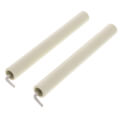
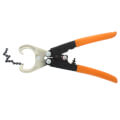
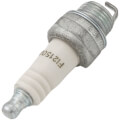
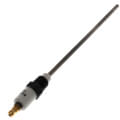
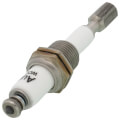
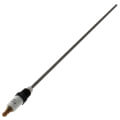
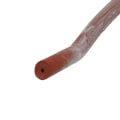
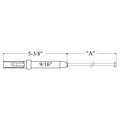
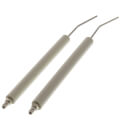
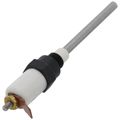
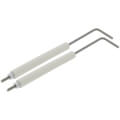
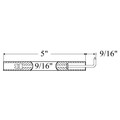
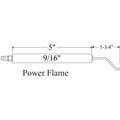
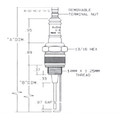
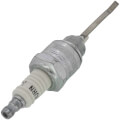

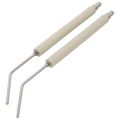
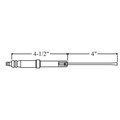
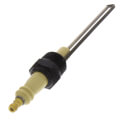
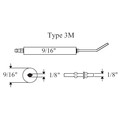
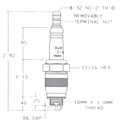
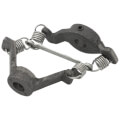
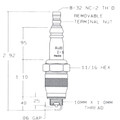
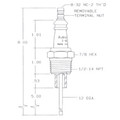

Auburn has manufactured ignition and flame-sensing components for combustion equipment since 1910, building over a century of experience supplying igniters and flame rods used across boiler, furnace, and burner manufacturing.
Flame probes carrying the Auburn name are engineered to hold up under sustained high heat, with some designs rated for operating temperatures up to 2350 degrees Fahrenheit, reflecting the demands of commercial and industrial combustion equipment.
Product Lines
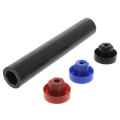
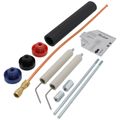
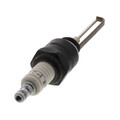
Auburn's catalog on SupplyHouse covers core ignition and flame-sensing parts: spark igniters and ignitors with various probe lengths, flame rods including the FRS-4 series, nickel electrodes such as the I-31 series, silicone ignition cable, and silicone boots used to seal electrode connections. Parts are sized and configured to match a wide range of boiler and furnace burner assemblies found in residential and commercial mechanical rooms.
Why Contractors Specify Auburn
Heating technicians turn to Auburn parts when a boiler or furnace loses ignition or flame sensing, since the components are built to match the dimensions and connection styles of original burner assemblies across many equipment brands. Reliable flame detection is also a safety function, so technicians favor a component line with a long track record in burner ignition systems.
How to Choose Auburn Products
Matching an Auburn replacement part starts with the original electrode or flame rod length, probe diameter, and connector style, since burner assemblies vary by manufacturer and model. Ignition cable length and the silicone boot size should be checked against the existing wiring run, and ignitor specifications should be cross-referenced against the amperage and voltage called for by the furnace or boiler control board.
Frequently Asked Questions
What is the difference between an igniter and a flame rod?
An igniter creates the spark or heat source that lights the burner, while a flame rod, also called a flame sensor, detects whether a flame is actually present and signals the control board to keep the gas valve open. Both parts work together in the ignition sequence but serve different functions.
How long do Auburn flame rods typically last?
Flame rod life depends heavily on burner conditions, including flame chemistry and run hours, since the rod surface gradually oxidizes with use. A flame rod that produces a weak or unstable signal, or causes nuisance lockouts, is usually due for replacement regardless of age.
Can Auburn ignition parts be used as universal replacements across boiler brands?
Many Auburn electrodes, flame rods, and igniters are designed to match common burner assembly dimensions, so a part can often serve as a cross-brand replacement as long as probe length, connector type, and electrical ratings line up with the original component.
What temperature rating should a flame probe have for a commercial burner?
Commercial and industrial burners generate sustained high heat at the flame sensing point, so a probe rated for high operating temperatures, in some cases up to 2350 degrees Fahrenheit, holds up better than a probe designed for lighter residential duty.
Why does a furnace go into lockout even after replacing the igniter?
A lockout after an igniter swap often points to a separate fault, such as a weak flame signal from the flame rod, a grounding issue, or a control board fault, so the full ignition circuit should be checked rather than assuming the igniter alone resolved the issue.
