




Automatic Gas Shutoff Valves

 --%3E %3Csvg version='1.1' id='No-RB' xmlns='http://www.w3.org/2000/svg' xmlns:xlink='http://www.w3.org/1999/xlink' x='0px' y='0px' viewBox='0 0 100 100' enable-background='new 0 0 100 100' xml:space='preserve'%3E %3Cpath fill='%23CECECE' d='M79.44,0.95H20.56C9.78,0.95,0.95,9.78,0.95,20.56v58.87c0,10.79,8.82,19.61,19.61,19.61h58.87 c10.79,0,19.61-8.83,19.61-19.61V20.56C99.05,9.78,90.22,0.95,79.44,0.95z M65.38,58.24l9.38,29.58L49.69,69.78L24.5,87.82 l9.34-29.6L8.8,39.6l30.73-0.17c0,0,6.98-19.61,10-28.93c0.54,1.36,9.88,29.1,9.88,29.1H91.2L65.38,58.24z'/%3E %3C/svg%3E)
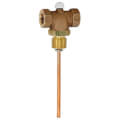
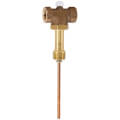
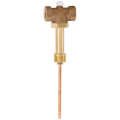

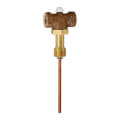
Automatic gas shutoff valves are safety devices that cut fuel gas supply to a building or appliance in response to a detected hazard, such as excess flow, a seismic event, or a gas leak sensed by a connected detector. Plumbers and gas fitters install them on residential and commercial gas lines as a code-driven or insurance-driven safety upgrade, giving building owners an automated layer of protection beyond a manual shutoff valve. Most units sit inline on the gas piping near the meter or appliance and stay open under normal flow, closing only when triggered by their specific detection method. Some models reset manually after tripping, requiring a technician or occupant to physically reopen the valve, while others reset automatically once the triggering condition clears. Selecting the right valve depends heavily on what hazard it needs to detect and whether local code or an insurance carrier specifies a particular trigger type.
Subcategories
- Excess Flow Shutoff Valves: Excess flow shutoff valves close automatically when gas flow through the line exceeds a preset rate, a condition typically caused by a broken pipe or disconnected appliance connector downstream. Gas fitters install these at the meter or at individual appliance connections to limit how much gas escapes before the leak is noticed. Because they respond to flow rate rather than a chemical sensor, they need no external power or wiring to operate. Many jurisdictions now require excess flow valves on new gas line installations.
- Seismic Shutoff Valves: Seismic shutoff valves trip when ground movement exceeds a calibrated threshold, cutting gas supply during an earthquake to reduce fire risk from ruptured lines. These are mechanical devices that use a weighted ball or similar mechanism rather than electronic sensors, so they keep working even if building power fails. Building codes in seismically active regions frequently mandate these valves on new construction and major renovations. Most models require a manual reset once the ground movement stops and the line is confirmed intact.
- Gas Detection-Linked Shutoff Valves: Gas detection-linked shutoff valves connect to a separate gas leak detector and close automatically when the detector senses natural gas or propane in the air. These systems pair an electrically actuated valve with a sensor unit, so they need a power source and periodic testing to confirm the connection still works. Property managers often choose this style for buildings with combustion appliances in occupied spaces, such as apartments with gas ranges. Battery backup on the detector keeps the system working through a power outage.
Buying Guide
Choosing an automatic gas shutoff valve starts with identifying which hazard the installation needs to guard against, since excess flow, seismic activity, and leak detection each call for a different valve mechanism. Pipe size and gas type, whether natural gas or propane, need to match the valve's rated specifications, and installers should confirm the valve's flow capacity is appropriate for the connected appliance load rather than just the pipe diameter. For excess flow valves, checking the trip flow rate against the appliance's normal operating flow prevents nuisance shutoffs during regular use. Seismic valves need mounting orientation confirmed before installation, since most models only trip correctly when installed in the orientation specified by the manufacturer. Detection-linked systems require a compatible detector, and mixing components from different manufacturers can void the safety function if the electrical interface doesn't match. Contractors working in areas with specific code requirements should verify with the local authority having jurisdiction which valve type, if any, is mandated for the project type, since requirements vary widely between municipalities. Reset method is another consideration: manual-reset valves require someone to physically reopen the line, which some property owners prefer as a safety check, while automatic-reset valves restore service without intervention once the hazard clears. Budgeting for periodic testing and battery replacement on detection-linked systems keeps the safety function reliable over the life of the installation.
Frequently Asked Questions
What triggers an automatic gas shutoff valve to close?
The trigger depends on the valve type: excess flow valves close when gas flow exceeds a preset rate, seismic valves close when ground movement crosses a calibrated threshold, and detection-linked valves close when a connected sensor detects gas in the air. Each type responds to a different specific hazard rather than gas pressure alone. Selecting the correct type depends on which hazard the installation needs to address.
Do automatic gas shutoff valves reset themselves after closing?
Some models reset automatically once the triggering condition clears, while others require a manual reset by a technician or occupant. Seismic valves in particular often require a manual reset so someone can confirm the gas line is undamaged before restoring flow. Checking the product documentation before installation clarifies which reset behavior a given valve uses.
Is a seismic gas shutoff valve required by code?
Requirements vary by jurisdiction, with many seismically active regions mandating these valves on new construction or major system upgrades. Local building and gas codes should be checked directly, since requirements differ between cities and states. An installer familiar with local code can confirm what applies to a specific project.
Do detection-linked shutoff valves need electrical power?
Yes, detection-linked systems pair an electrically actuated valve with a separate gas detector, so they need a power source to operate the sensing and actuation components. Many systems include battery backup so the safety function keeps working during a power outage. Periodic testing confirms both the detector and the valve are still functioning correctly.
Can an excess flow valve cause nuisance shutoffs during normal use?
A properly sized excess flow valve should not trip during normal appliance operation, but an undersized valve with too low a trip flow rate can shut off unnecessarily during high-demand moments. Matching the valve's trip rate to the connected appliance load during selection avoids this issue. Consulting the manufacturer's sizing guidance before purchase helps prevent nuisance trips.
