




Filters
SORT
Product Availability –
Length (Feet) –
Review Score –
 --%3E %3Csvg version='1.1' id='Fill' xmlns='http://www.w3.org/2000/svg' xmlns:xlink='http://www.w3.org/1999/xlink' x='0px' y='0px' viewBox='0 0 100 100' enable-background='new 0 0 100 100' xml:space='preserve'%3E %3Cpath fill='%23F15C02' d='M79.44,0.95H20.56C9.78,0.95,0.95,9.78,0.95,20.56v58.87c0,10.79,8.82,19.61,19.61,19.61h58.87 c10.79,0,19.61-8.83,19.61-19.61V20.56C99.05,9.78,90.22,0.95,79.44,0.95z M65.38,58.24l9.38,29.58L49.69,69.78L24.5,87.82 l9.34-29.6L8.8,39.6l30.73-0.17c0,0,6.98-19.61,10-28.93c0.54,1.36,9.88,29.1,9.88,29.1H91.2L65.38,58.24z'/%3E %3C/svg%3E)
Price Range –
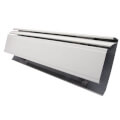
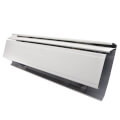
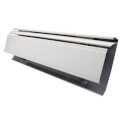
Base/Line 2000 Baseboard Covers


 --%3E %3Csvg version='1.1' id='Half' xmlns='http://www.w3.org/2000/svg' xmlns:xlink='http://www.w3.org/1999/xlink' x='0px' y='0px' viewBox='0 0 100 100' enable-background='new 0 0 100 100' xml:space='preserve'%3E %3Cg%3E %3Cpath fill='%23F15C02' d='M30.05,70.23l3.79-12.01L8.8,39.6l30.73-0.17c0,0,6.98-19.61,10-28.93c0.54,1.36,9.88,29.1,9.88,29.1h1.58 L93.71,7.18c-3.58-3.82-8.66-6.23-14.28-6.23H20.56C9.78,0.95,0.95,9.78,0.95,20.56v58.87c0,5.41,2.22,10.32,5.79,13.88 L30.05,70.23z'/%3E %3C/g%3E %3Cpath fill='%23FBC8B4' d='M93.71,7.18L60.98,39.6H91.2L65.38,58.24l9.38,29.58L49.69,69.78L24.5,87.82l5.55-17.59L6.75,93.32 c3.55,3.54,8.44,5.73,13.82,5.73h58.87c10.79,0,19.61-8.83,19.61-19.61V20.56C99.05,15.4,97.01,10.69,93.71,7.18z'/%3E %3C/svg%3E)

 --%3E %3Csvg version='1.1' id='No-RB' xmlns='http://www.w3.org/2000/svg' xmlns:xlink='http://www.w3.org/1999/xlink' x='0px' y='0px' viewBox='0 0 100 100' enable-background='new 0 0 100 100' xml:space='preserve'%3E %3Cpath fill='%23CECECE' d='M79.44,0.95H20.56C9.78,0.95,0.95,9.78,0.95,20.56v58.87c0,10.79,8.82,19.61,19.61,19.61h58.87 c10.79,0,19.61-8.83,19.61-19.61V20.56C99.05,9.78,90.22,0.95,79.44,0.95z M65.38,58.24l9.38,29.58L49.69,69.78L24.5,87.82 l9.34-29.6L8.8,39.6l30.73-0.17c0,0,6.98-19.61,10-28.93c0.54,1.36,9.88,29.1,9.88,29.1H91.2L65.38,58.24z'/%3E %3C/svg%3E)
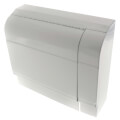
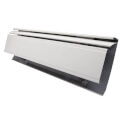


Base/Line 2000 baseboard covers are replacement enclosures for hydronic baseboard heating systems, sized to fit over an existing heating element without replacing the entire baseboard run. Contractors reach for this style of cover when an old enclosure is dented, rusted, or missing end caps but the heating element underneath is still functional. Swapping just the cover instead of the whole unit keeps a repair job faster and less disruptive to a finished room. The covers are typically sold in sections that connect end to end, along with matching end caps and mounting brackets to complete a run. Because baseboard heat covers vary in profile height and depth between manufacturers and product generations, matching the replacement cover to the installed heating element is the first step in any repair.
Subcategories
- Cover Sections: Cover sections are the straight lengths of enclosure that snap or screw over an existing baseboard heating element. They come in standard lengths that can be trimmed on site to fit a specific run. Matching the section profile to the installed element keeps airflow through the convector unrestricted.
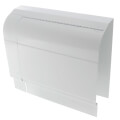
- End Caps: End caps close off the open ends of a baseboard cover run, giving it a finished look and keeping debris out of the enclosure. They snap onto the cover section and are typically ordered in pairs for a single run. Replacing a cracked or missing end cap is often enough to finish a cosmetic repair without touching the rest of the cover.
- Mounting Brackets: Mounting brackets hold the cover sections at the correct height above the floor and keep them secured to the wall or the heating element itself. Damaged or missing brackets are a common reason a cover sags or rattles. Replacing brackets alongside a cover section keeps the whole run stable.
- Dampers: Dampers are the adjustable vents built into the top of a baseboard cover that control how much heated air escapes the enclosure. A stuck or broken damper can leave a room over-heated or under-heated even when the heating element itself is working fine. Replacement dampers are sized to fit a specific cover profile.
Buying Guide
Matching a replacement Base/Line 2000 baseboard cover to an existing installation starts with measuring the profile of the current enclosure, including its height, depth, and the length of each section already in place. Baseboard heat covers are not universal between manufacturers, so a cover pulled from a different product line may not seat properly over the heating element or line up with existing end caps and brackets. Length is the next factor. Cover sections typically ship in a standard length and get trimmed to fit a specific wall run, so ordering enough sections to cover the full run, with some allowance for cutting, avoids a mid-job trip back to the supply house. Condition of the existing brackets and dampers is worth checking at the same time as the cover itself. A cover that looks fine but sits on a bent or corroded bracket will still rattle or sag once installed, so replacing worn hardware alongside the visible cover pays off over the life of the repair. Finish matters for anyone doing a cosmetic upgrade rather than a functional repair; baseboard covers are usually available in a standard painted finish that matches most existing residential and light commercial installations. Buying complete sets, cover, end caps, and brackets together, is usually simpler than sourcing each part separately for a full-run replacement.
Frequently Asked Questions
Will a Base/Line 2000 cover fit any baseboard heating element?
Not necessarily. Baseboard cover profiles differ between manufacturers and product generations, so it is important to match the height and depth of the replacement cover to the heating element already installed.
Can a baseboard cover be replaced without draining the heating system?
In most cases, yes. The cover is a separate piece from the water-carrying heating element, so swapping the enclosure typically does not require draining or disconnecting the system.
How long are baseboard cover sections?
Cover sections ship in a standard length and are trimmed on site to match the exact length of the wall run being covered.
What causes a baseboard cover to rattle?
A rattling cover is usually the result of a loose, bent, or corroded mounting bracket rather than a problem with the cover itself. Replacing the bracket along with the cover typically resolves it.
Do baseboard covers come with end caps and brackets included?
It depends on how the cover is packaged. Some kits bundle a cover section with matching end caps and brackets, while others sell each part separately, so checking what is included before ordering avoids missing pieces.
