



Filters
SORT
Product Availability –
Review Score –
 --%3E %3Csvg version='1.1' id='Fill' xmlns='http://www.w3.org/2000/svg' xmlns:xlink='http://www.w3.org/1999/xlink' x='0px' y='0px' viewBox='0 0 100 100' enable-background='new 0 0 100 100' xml:space='preserve'%3E %3Cpath fill='%23F15C02' d='M79.44,0.95H20.56C9.78,0.95,0.95,9.78,0.95,20.56v58.87c0,10.79,8.82,19.61,19.61,19.61h58.87 c10.79,0,19.61-8.83,19.61-19.61V20.56C99.05,9.78,90.22,0.95,79.44,0.95z M65.38,58.24l9.38,29.58L49.69,69.78L24.5,87.82 l9.34-29.6L8.8,39.6l30.73-0.17c0,0,6.98-19.61,10-28.93c0.54,1.36,9.88,29.1,9.88,29.1H91.2L65.38,58.24z'/%3E %3C/svg%3E)
Price Range –
Carrier Compressors & Parts


 --%3E %3Csvg version='1.1' id='No-RB' xmlns='http://www.w3.org/2000/svg' xmlns:xlink='http://www.w3.org/1999/xlink' x='0px' y='0px' viewBox='0 0 100 100' enable-background='new 0 0 100 100' xml:space='preserve'%3E %3Cpath fill='%23CECECE' d='M79.44,0.95H20.56C9.78,0.95,0.95,9.78,0.95,20.56v58.87c0,10.79,8.82,19.61,19.61,19.61h58.87 c10.79,0,19.61-8.83,19.61-19.61V20.56C99.05,9.78,90.22,0.95,79.44,0.95z M65.38,58.24l9.38,29.58L49.69,69.78L24.5,87.82 l9.34-29.6L8.8,39.6l30.73-0.17c0,0,6.98-19.61,10-28.93c0.54,1.36,9.88,29.1,9.88,29.1H91.2L65.38,58.24z'/%3E %3C/svg%3E)
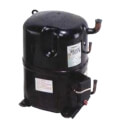
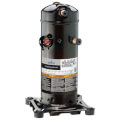

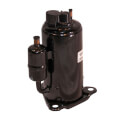
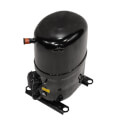
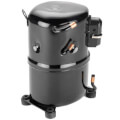
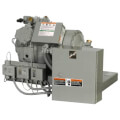
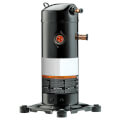
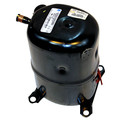
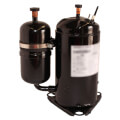


Carrier compressors and parts keep the refrigeration cycle running by compressing low-pressure refrigerant gas into a high-pressure, high-temperature vapor that the condenser can then reject heat from. A compressor failure typically shows up as a system that will not cool at all, one that trips on overload repeatedly, or one running loud and hot with reduced capacity, and any of those symptoms usually points to either the compressor itself or one of the supporting parts around it. Because a compressor swap is one of the more expensive and labor-intensive repairs on a residential or light commercial system, ruling out contactors, capacitors, crankcase heaters, and other supporting components first can save a customer from an unnecessary full compressor replacement. Carrier uses both scroll and reciprocating compressor designs across its equipment lines, matched to specific refrigerant types and capacities, so confirming the exact unit model before ordering keeps the replacement compressor and its supporting parts compatible with the rest of the system.
Subcategories
- Scroll Compressors: Scroll compressors use two interleaving spiral scrolls to compress refrigerant and are the standard design on most current Carrier residential and light commercial air conditioning and heat pump systems. They run quieter and handle liquid slugging better than older reciprocating designs. Matching the exact model and refrigerant type to the original unit is critical since scroll compressors are not field-serviceable internally.
- Reciprocating Compressors: Reciprocating compressors use pistons to compress refrigerant and are found on some older Carrier equipment and certain commercial refrigeration applications. They are generally more tolerant of some field repairs than scroll designs but have more moving parts subject to wear. Replacement compressors need to match displacement and refrigerant type to the original unit.
- Compressor Contactors & Relays: Contactors and relays switch the high-voltage power that drives the compressor motor, and a pitted or stuck contactor is a common cause of a compressor that will not start even though the compressor itself is healthy. Checking the contactor before condemning a compressor avoids an unnecessary replacement. Contactor amperage and coil voltage need to match the compressor's electrical requirements.
- Crankcase Heaters: Crankcase heaters keep refrigerant from migrating into and diluting the compressor oil during off cycles, especially in colder climates or during shoulder seasons. A failed heater can lead to liquid refrigerant entering the compressor on startup, which shortens compressor life over time. Heaters are sized to the specific compressor model they protect.
Buying Guide
Confirm the exact Carrier unit model and the compressor's existing part number before ordering a replacement, since compressor displacement, refrigerant type, and electrical characteristics all need to match the rest of the system. A compressor that looks similar from a different model line often will not perform correctly even if it physically fits the mounting.
Rule out supporting components before assuming the compressor itself has failed. A stuck contactor, a bad start or run capacitor, or a failed crankcase heater can all mimic compressor failure symptoms such as a no-start condition or an overload trip, and those parts are far less expensive to replace than a compressor.
Carrier compressors are primarily scroll or reciprocating designs, with scroll compressors standard on most current residential and light commercial equipment. Confirm which design the existing unit uses, since the two are not interchangeable.
Check refrigerant type carefully, since a compressor built for one refrigerant will not perform correctly, and may not be compatible at all, with a different refrigerant charged into the system.
For systems in colder climates, verify crankcase heater compatibility alongside the compressor itself, since a mismatched or missing heater increases the risk of a repeat compressor failure from oil dilution on startup.
Frequently Asked Questions
What are the first things to check before condemning a Carrier compressor?
Check the contactor, start and run capacitors, and crankcase heater first, since any of these can cause symptoms that look like compressor failure, such as a no-start condition or a repeated overload trip, at a fraction of the cost of a compressor replacement.
Can a reciprocating compressor be replaced with a scroll compressor on the same unit?
Generally no, not as a direct swap. The two designs have different oil, refrigerant, and electrical characteristics, and a system built around a reciprocating compressor is not set up to run a scroll compressor without significant modification.
Why does a crankcase heater matter for compressor life?
A crankcase heater keeps the compressor oil warm during off cycles so refrigerant does not migrate into and dilute it. Without that heat, refrigerant-diluted oil can cause a rough startup and accelerate compressor wear over time.
What does it mean if a compressor is humming but not starting?
A humming, non-starting compressor often points to a start capacitor or contactor issue rather than the compressor motor itself, though a locked rotor inside the compressor can also produce this symptom, so both should be checked.
Does the refrigerant type need to match exactly when replacing a compressor?
Yes. A compressor is built and lubricated for a specific refrigerant, and installing one rated for a different refrigerant can cause poor performance or damage to the compressor and system.
