




Filters
SORT
Product Availability –
Review Score –
 --%3E %3Csvg version='1.1' id='Fill' xmlns='http://www.w3.org/2000/svg' xmlns:xlink='http://www.w3.org/1999/xlink' x='0px' y='0px' viewBox='0 0 100 100' enable-background='new 0 0 100 100' xml:space='preserve'%3E %3Cpath fill='%23F15C02' d='M79.44,0.95H20.56C9.78,0.95,0.95,9.78,0.95,20.56v58.87c0,10.79,8.82,19.61,19.61,19.61h58.87 c10.79,0,19.61-8.83,19.61-19.61V20.56C99.05,9.78,90.22,0.95,79.44,0.95z M65.38,58.24l9.38,29.58L49.69,69.78L24.5,87.82 l9.34-29.6L8.8,39.6l30.73-0.17c0,0,6.98-19.61,10-28.93c0.54,1.36,9.88,29.1,9.88,29.1H91.2L65.38,58.24z'/%3E %3C/svg%3E)
 --%3E %3Csvg version='1.1' id='With-RB' xmlns='http://www.w3.org/2000/svg' xmlns:xlink='http://www.w3.org/1999/xlink' x='0px' y='0px' viewBox='0 0 100 100' enable-background='new 0 0 100 100' xml:space='preserve'%3E %3Cpath fill='%23FBC8B4' d='M79.44,0.95H20.56C9.78,0.95,0.95,9.78,0.95,20.56v58.87c0,10.79,8.82,19.61,19.61,19.61h58.87 c10.79,0,19.61-8.83,19.61-19.61V20.56C99.05,9.78,90.22,0.95,79.44,0.95z M65.38,58.24l9.38,29.58L49.69,69.78L24.5,87.82 l9.34-29.6L8.8,39.6l30.73-0.17c0,0,6.98-19.61,10-28.93c0.54,1.36,9.88,29.1,9.88,29.1H91.2L65.38,58.24z'/%3E %3C/svg%3E)
Price Range –
Carrier Condenser Motors & Parts

 --%3E %3Csvg version='1.1' id='No-RB' xmlns='http://www.w3.org/2000/svg' xmlns:xlink='http://www.w3.org/1999/xlink' x='0px' y='0px' viewBox='0 0 100 100' enable-background='new 0 0 100 100' xml:space='preserve'%3E %3Cpath fill='%23CECECE' d='M79.44,0.95H20.56C9.78,0.95,0.95,9.78,0.95,20.56v58.87c0,10.79,8.82,19.61,19.61,19.61h58.87 c10.79,0,19.61-8.83,19.61-19.61V20.56C99.05,9.78,90.22,0.95,79.44,0.95z M65.38,58.24l9.38,29.58L49.69,69.78L24.5,87.82 l9.34-29.6L8.8,39.6l30.73-0.17c0,0,6.98-19.61,10-28.93c0.54,1.36,9.88,29.1,9.88,29.1H91.2L65.38,58.24z'/%3E %3C/svg%3E)
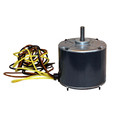
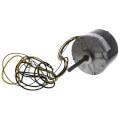
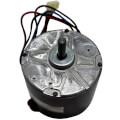
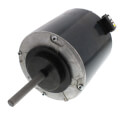
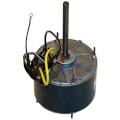
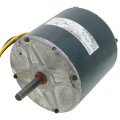
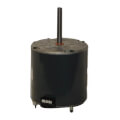

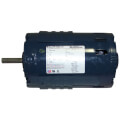
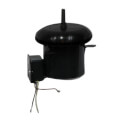
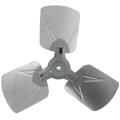
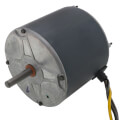

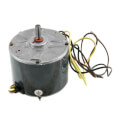
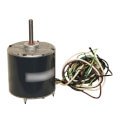
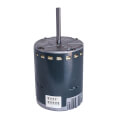
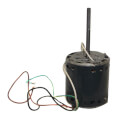
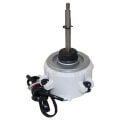
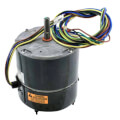
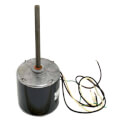
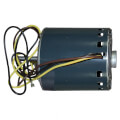
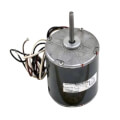

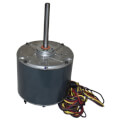
Carrier Condenser Motors & Parts covers the fan motors, capacitors, contactors, and other electrical and mechanical components used to service the outdoor condensing unit on Carrier air conditioners and heat pumps. The condenser fan motor pulls air across the outdoor coil to reject heat during cooling operation, and a failed motor, worn bearing, or bad capacitor is one of the most common reasons a condensing unit runs but doesn't cool effectively. Motors in this category are sized by horsepower, voltage, and RPM, and Carrier pairs specific motor frames to particular condensing unit models and coil sizes across its residential and light commercial lineup. Because a condensing unit's electrical components work together, replacing a failed motor is often a good time to check the capacitor and contactor it operates alongside, since a marginal capacitor is a common cause of early motor failure.
Subcategories
- Condenser Fan Motors: Condenser fan motors pull outdoor air across the coil to reject heat from the refrigerant during cooling operation, and a worn bearing or burned winding shows up as a unit that runs louder than normal, spins slowly, or stops turning while the compressor still runs. Motor horsepower, RPM, and rotation direction have to match the original unit, and mismatched rotation direction on a reversible motor is a common installation mistake.
- Run Capacitors: Run capacitors store and release electrical charge to keep the condenser fan motor and compressor running efficiently, and a capacitor that's lost capacitance below its rated microfarad value is a frequent cause of a motor that hums but doesn't start or that draws higher amperage than normal. Dual-run capacitors serve both the fan motor and compressor from a single component, so a failed capacitor can affect both at once.
- Contactors and Relays: The contactor switches high-voltage power to the compressor and condenser fan motor based on a low-voltage signal from the thermostat, and pitted or burned contacts are a common reason a unit fails to start even though the thermostat is calling for cooling. Contactor coil voltage has to match the control circuit it's replacing, typically 24 volts on residential Carrier equipment.
- Fan Blades and Motor Mounts: Fan blades and motor mounting hardware are often replaced alongside the motor itself, since a bent blade or worn mount can cause vibration that leads to premature motor failure. Blade pitch and diameter are matched to the specific motor and condensing unit model to maintain the airflow the coil was designed around.
Buying Guide
Confirm the specific failure before ordering. A condenser fan motor that hums but doesn't spin often points to a failed run capacitor rather than the motor itself, so checking capacitance with a meter before replacing the motor can save an unnecessary part order.
Match motor horsepower, voltage, RPM, and rotation direction to the original component rather than the condensing unit's model number alone, since Carrier Condenser Motors & Parts covers multiple motor frame sizes across similar-looking condensing unit platforms. A reversible motor installed with the wrong rotation direction will run but move little to no air across the coil.
Check the capacitor's microfarad rating against the nameplate, not just its physical size or connector style. A capacitor that's within its rated range but wired to the wrong terminals can still cause a motor to fail to start properly.
When replacing a contactor, confirm the coil voltage matches the existing low-voltage control circuit and that the contact ampacity rating meets or exceeds what the compressor and fan motor draw combined. Inspecting fan blades and motor mounts at the same visit catches a vibration source before it causes a repeat motor failure.
Frequently Asked Questions
Why does a condenser fan motor hum without spinning?
A humming motor that won't spin usually points to a failed or weak run capacitor rather than the motor itself. Checking the capacitor's microfarad rating with a meter before replacing the motor often resolves the issue at a lower cost.
How can a technician tell whether a capacitor or motor has failed?
Testing the capacitor's microfarad rating against its nameplate value with a capacitance meter is the most reliable way to isolate the problem. A capacitor reading significantly below its rated value needs replacement regardless of whether the motor also needs attention.
Does a condenser fan motor's rotation direction matter?
Yes, on reversible motors, rotation direction has to match the original setup or the fan will run but move little to no air across the coil. Confirming rotation direction before final installation avoids a callback for a unit that runs but doesn't cool.
What causes contactor contacts to fail?
Pitting and burning from repeated switching under load gradually degrade contactor contacts until they no longer make a clean connection. A unit that doesn't start even though the thermostat calls for cooling, despite good power at the contactor coil, often points to worn contacts.
Should fan blades be replaced when a condenser motor is replaced?
Inspecting the fan blade and motor mount at the same visit is worthwhile, since a bent blade or worn mount can cause vibration that leads to early failure of the new motor. Matching blade pitch and diameter to the specific motor and unit model keeps airflow consistent with the original design.
