



Filters
SORT
Product Availability –
Review Score –
 --%3E %3Csvg version='1.1' id='Fill' xmlns='http://www.w3.org/2000/svg' xmlns:xlink='http://www.w3.org/1999/xlink' x='0px' y='0px' viewBox='0 0 100 100' enable-background='new 0 0 100 100' xml:space='preserve'%3E %3Cpath fill='%23F15C02' d='M79.44,0.95H20.56C9.78,0.95,0.95,9.78,0.95,20.56v58.87c0,10.79,8.82,19.61,19.61,19.61h58.87 c10.79,0,19.61-8.83,19.61-19.61V20.56C99.05,9.78,90.22,0.95,79.44,0.95z M65.38,58.24l9.38,29.58L49.69,69.78L24.5,87.82 l9.34-29.6L8.8,39.6l30.73-0.17c0,0,6.98-19.61,10-28.93c0.54,1.36,9.88,29.1,9.88,29.1H91.2L65.38,58.24z'/%3E %3C/svg%3E)
 --%3E %3Csvg version='1.1' id='With-RB' xmlns='http://www.w3.org/2000/svg' xmlns:xlink='http://www.w3.org/1999/xlink' x='0px' y='0px' viewBox='0 0 100 100' enable-background='new 0 0 100 100' xml:space='preserve'%3E %3Cpath fill='%23FBC8B4' d='M79.44,0.95H20.56C9.78,0.95,0.95,9.78,0.95,20.56v58.87c0,10.79,8.82,19.61,19.61,19.61h58.87 c10.79,0,19.61-8.83,19.61-19.61V20.56C99.05,9.78,90.22,0.95,79.44,0.95z M65.38,58.24l9.38,29.58L49.69,69.78L24.5,87.82 l9.34-29.6L8.8,39.6l30.73-0.17c0,0,6.98-19.61,10-28.93c0.54,1.36,9.88,29.1,9.88,29.1H91.2L65.38,58.24z'/%3E %3C/svg%3E)
Price Range –
Carrier Control Boards

 --%3E %3Csvg version='1.1' id='No-RB' xmlns='http://www.w3.org/2000/svg' xmlns:xlink='http://www.w3.org/1999/xlink' x='0px' y='0px' viewBox='0 0 100 100' enable-background='new 0 0 100 100' xml:space='preserve'%3E %3Cpath fill='%23CECECE' d='M79.44,0.95H20.56C9.78,0.95,0.95,9.78,0.95,20.56v58.87c0,10.79,8.82,19.61,19.61,19.61h58.87 c10.79,0,19.61-8.83,19.61-19.61V20.56C99.05,9.78,90.22,0.95,79.44,0.95z M65.38,58.24l9.38,29.58L49.69,69.78L24.5,87.82 l9.34-29.6L8.8,39.6l30.73-0.17c0,0,6.98-19.61,10-28.93c0.54,1.36,9.88,29.1,9.88,29.1H91.2L65.38,58.24z'/%3E %3C/svg%3E)
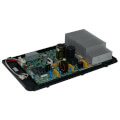

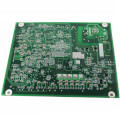

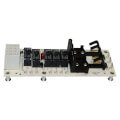
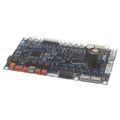
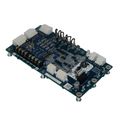
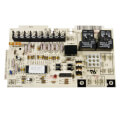
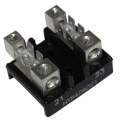
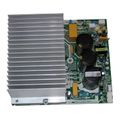
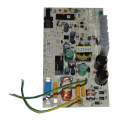
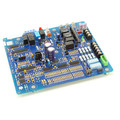
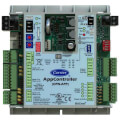
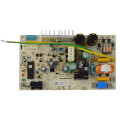
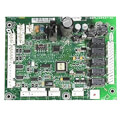
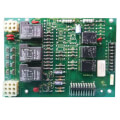
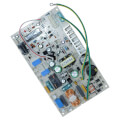
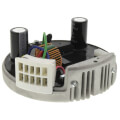
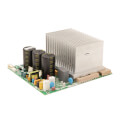
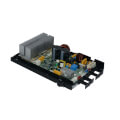
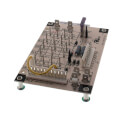
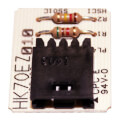
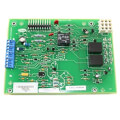
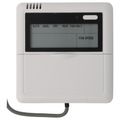
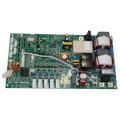
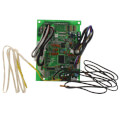
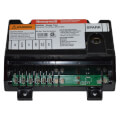
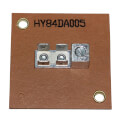
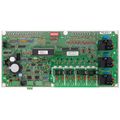
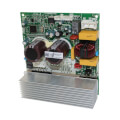

Carrier control boards are the electronic circuit boards that manage ignition sequencing, blower operation, and safety monitoring in Carrier furnaces, air handlers, and packaged HVAC systems. A control board coordinates signals between the thermostat, igniter, gas valve, and blower motor, so a failing board can produce symptoms ranging from a complete no-heat call to a unit that short-cycles or locks out on a safety fault. Carrier has used multiple control board platforms across its furnace and air handler lines, and boards are generally specific to a given equipment series rather than universally interchangeable. Diagnostic LED codes displayed on most Carrier boards help narrow down whether a lockout is caused by the board itself or by a related component such as a pressure switch or flame sensor. Because a control board sits at the center of a system's low-voltage wiring, confirming a board failure before replacing it can save an unnecessary parts swap on a problem that is actually a wiring or sensor issue.
Subcategories
- Furnace Integrated Control Boards: Furnace integrated control boards manage ignition timing, blower speed, and safety lockouts on Carrier gas furnaces. Most boards display a diagnostic LED code that corresponds to a specific fault, which narrows troubleshooting before a replacement board is ordered.
- Air Handler Control Boards: Air handler control boards manage blower operation and, on systems with electric heat, sequencer timing for heat strips. A failing board often shows up as a blower that will not run at all or that runs continuously regardless of thermostat calls.
- Ignition Control Modules: Ignition control modules manage the spark or hot surface ignition sequence and confirm flame presence before allowing the gas valve to stay open. A furnace that tries to ignite repeatedly without success, or locks out after several attempts, often points to this component.
- Fan Timer & Blower Control Boards: Fan timer and blower control boards regulate blower on and off delays relative to burner operation. A furnace that blows cold air briefly at startup or runs the blower too long after the burner shuts off is a common symptom of a fan timer board issue.
Buying Guide
Read any diagnostic LED code displayed on the existing board before ordering a replacement. Carrier boards typically flash a specific code for lockouts related to pressure switches, flame sensors, limit switches, or ignition failures, and that code often points to a different component than the board itself.
Confirm the equipment series and board part number rather than assuming a physical size match is enough. Carrier control boards are generally specific to a furnace or air handler series, and a board that physically fits the cabinet may still use different connectors or firmware than the original.
Rule out related components before replacing the board. A pressure switch, flame sensor, or limit switch failure can produce lockout symptoms nearly identical to a board failure, and swapping the board first sometimes leaves the original problem unresolved.
Once a board replacement is confirmed as the right repair, note whether the equipment uses a standard integrated furnace control, an air handler board with a heat sequencer, or a separate ignition module, since these are not interchangeable even within the same product family.
Frequently Asked Questions
What does a diagnostic LED code on a Carrier control board indicate?
The flash pattern corresponds to a specific fault, such as a pressure switch, flame sensor, or ignition failure, and reading it before ordering a new board often reveals the real problem is a different component.
Are Carrier control boards interchangeable across different furnace models?
No, boards are generally specific to a furnace or air handler series, so matching the exact equipment model and board part number is necessary before ordering.
What symptoms suggest a failing ignition control module rather than the main control board?
Repeated failed ignition attempts or a lockout that occurs specifically during the ignition sequence often points to the ignition module, while broader symptoms like a non-responsive blower point toward the main control board.
Why would a furnace blow cold air briefly at startup?
A fan timer or blower control issue is a common cause, since that component sets the delay between burner ignition and blower startup.
Should a pressure switch or flame sensor be checked before replacing a control board?
Yes, since failures in those components can trigger lockout codes that closely resemble a board failure, and checking them first can avoid an unnecessary board replacement.
