




Filters
SORT
Product Availability –
Review Score –
 --%3E %3Csvg version='1.1' id='Fill' xmlns='http://www.w3.org/2000/svg' xmlns:xlink='http://www.w3.org/1999/xlink' x='0px' y='0px' viewBox='0 0 100 100' enable-background='new 0 0 100 100' xml:space='preserve'%3E %3Cpath fill='%23F15C02' d='M79.44,0.95H20.56C9.78,0.95,0.95,9.78,0.95,20.56v58.87c0,10.79,8.82,19.61,19.61,19.61h58.87 c10.79,0,19.61-8.83,19.61-19.61V20.56C99.05,9.78,90.22,0.95,79.44,0.95z M65.38,58.24l9.38,29.58L49.69,69.78L24.5,87.82 l9.34-29.6L8.8,39.6l30.73-0.17c0,0,6.98-19.61,10-28.93c0.54,1.36,9.88,29.1,9.88,29.1H91.2L65.38,58.24z'/%3E %3C/svg%3E)
 --%3E %3Csvg version='1.1' id='With-RB' xmlns='http://www.w3.org/2000/svg' xmlns:xlink='http://www.w3.org/1999/xlink' x='0px' y='0px' viewBox='0 0 100 100' enable-background='new 0 0 100 100' xml:space='preserve'%3E %3Cpath fill='%23FBC8B4' d='M79.44,0.95H20.56C9.78,0.95,0.95,9.78,0.95,20.56v58.87c0,10.79,8.82,19.61,19.61,19.61h58.87 c10.79,0,19.61-8.83,19.61-19.61V20.56C99.05,9.78,90.22,0.95,79.44,0.95z M65.38,58.24l9.38,29.58L49.69,69.78L24.5,87.82 l9.34-29.6L8.8,39.6l30.73-0.17c0,0,6.98-19.61,10-28.93c0.54,1.36,9.88,29.1,9.88,29.1H91.2L65.38,58.24z'/%3E %3C/svg%3E)
Price Range –
Carrier Filters

 --%3E %3Csvg version='1.1' id='No-RB' xmlns='http://www.w3.org/2000/svg' xmlns:xlink='http://www.w3.org/1999/xlink' x='0px' y='0px' viewBox='0 0 100 100' enable-background='new 0 0 100 100' xml:space='preserve'%3E %3Cpath fill='%23CECECE' d='M79.44,0.95H20.56C9.78,0.95,0.95,9.78,0.95,20.56v58.87c0,10.79,8.82,19.61,19.61,19.61h58.87 c10.79,0,19.61-8.83,19.61-19.61V20.56C99.05,9.78,90.22,0.95,79.44,0.95z M65.38,58.24l9.38,29.58L49.69,69.78L24.5,87.82 l9.34-29.6L8.8,39.6l30.73-0.17c0,0,6.98-19.61,10-28.93c0.54,1.36,9.88,29.1,9.88,29.1H91.2L65.38,58.24z'/%3E %3C/svg%3E)
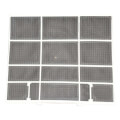

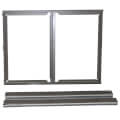
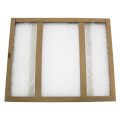
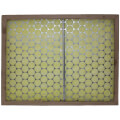
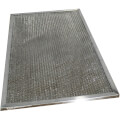
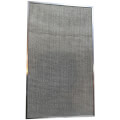
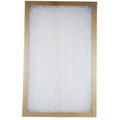
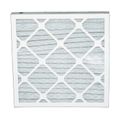
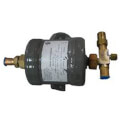
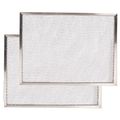

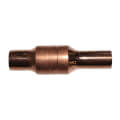
Carrier filters cover the air filtration components designed for Carrier furnaces, air handlers, and HVAC systems, trapping dust, debris, and airborne particles before they reach the blower motor and coil. Keeping these filters clean protects system components from buildup that can restrict airflow and reduce efficiency over time. Carrier filters come in various sizes and MERV ratings to match the specific equipment model and the filtration level a job requires, from basic disposable filters to higher-efficiency pleated options. Technicians and homeowners typically replace them on a set schedule, since a clogged filter forces the blower to work harder and can eventually trigger safety shutoffs on some equipment. Matching the filter to the equipment's rated dimensions is important, since an incorrectly sized filter can leave gaps that let unfiltered air bypass the media entirely. For contractors performing routine maintenance visits, keeping common Carrier filter sizes on hand helps complete a filter change during the same visit as other system service.
Subcategories
- Standard Disposable Carrier Filters: These are basic single-use filters designed for routine replacement on a regular schedule. They provide baseline filtration for dust and larger particles at an accessible MERV rating. Homeowners and technicians typically use these for standard residential maintenance.
- Pleated Carrier Filters: Pleated filters use a folded media design that increases surface area, allowing them to capture smaller particles than a standard flat filter without restricting airflow as much. They're a common upgrade for households with allergy concerns. These filters still need regular replacement, though typically less often than basic disposable filters.
- High-Efficiency Carrier Filters: These filters carry a higher MERV rating for capturing finer particles such as smoke, pollen, and some bacteria. They suit systems where the equipment is rated to handle the added airflow resistance from denser filter media. Confirming the system can handle a high-efficiency filter before installing one avoids unnecessary strain on the blower motor.
Buying Guide
Choosing the right Carrier filter starts with the exact dimensions listed on the equipment or the old filter itself, since even a small size mismatch can leave gaps that let unfiltered air bypass the media. Checking the equipment's documentation, or measuring the filter slot directly, confirms the correct size before ordering. From there, MERV rating is the next consideration: a higher MERV rating captures finer particles but also increases resistance to airflow, so it's worth confirming the system is rated to handle a higher-efficiency filter before upgrading from a standard one. Furnaces and air handlers not designed for dense filter media can see reduced airflow and added strain on the blower motor if an overly restrictive filter is installed. For maintenance contracts or routine service visits, keeping a stock of the most common Carrier filter sizes on the truck allows a filter change to be completed during the same visit as other system checks. Replacement frequency also factors into buying decisions, since disposable filters typically need swapping more often than pleated or high-efficiency options, which can affect how many filters to order for a season of scheduled maintenance work.
Frequently Asked Questions
How often should a Carrier filter be replaced?
Replacement frequency depends on the filter type, with basic disposable filters generally needing more frequent changes than pleated or high-efficiency options. Household factors like pets, dust levels, and usage also affect how quickly a filter loads up. Checking the filter monthly during heavy-use seasons helps catch a dirty filter before it restricts airflow.
What does MERV rating mean for a Carrier filter?
MERV, or Minimum Efficiency Reporting Value, measures how effectively a filter captures particles of different sizes, with higher numbers indicating finer filtration. A higher MERV rating also means more resistance to airflow, so the equipment needs to be rated to handle that added resistance. Choosing a MERV rating too high for a given system can restrict airflow and strain the blower.
Can any filter size be used if the exact Carrier size isn't available?
A close substitute can sometimes work, but a filter that's the wrong size can leave gaps around the edges that let unfiltered air pass through. Measuring the filter slot directly, rather than relying on a general size estimate, helps confirm a proper fit. Ordering the exact size specified for the equipment avoids that risk entirely.
What happens if a dirty filter isn't replaced?
A clogged filter restricts airflow, which forces the blower motor to work harder and can reduce overall system efficiency. Over time, restricted airflow can also lead to a frozen evaporator coil or trigger safety shutoffs on some equipment. Replacing filters on schedule helps avoid these downstream issues.
Are pleated filters better than standard disposable filters?
Pleated filters generally capture more particles due to their increased surface area, making them a common upgrade for households with allergy concerns. They aren't always the right choice for every system, though, since some older equipment isn't rated for the added airflow resistance. Checking the equipment's filter specifications helps determine which type is appropriate.
