




Filters
SORT
Product Availability –
Review Score –
 --%3E %3Csvg version='1.1' id='Fill' xmlns='http://www.w3.org/2000/svg' xmlns:xlink='http://www.w3.org/1999/xlink' x='0px' y='0px' viewBox='0 0 100 100' enable-background='new 0 0 100 100' xml:space='preserve'%3E %3Cpath fill='%23F15C02' d='M79.44,0.95H20.56C9.78,0.95,0.95,9.78,0.95,20.56v58.87c0,10.79,8.82,19.61,19.61,19.61h58.87 c10.79,0,19.61-8.83,19.61-19.61V20.56C99.05,9.78,90.22,0.95,79.44,0.95z M65.38,58.24l9.38,29.58L49.69,69.78L24.5,87.82 l9.34-29.6L8.8,39.6l30.73-0.17c0,0,6.98-19.61,10-28.93c0.54,1.36,9.88,29.1,9.88,29.1H91.2L65.38,58.24z'/%3E %3C/svg%3E)
 --%3E %3Csvg version='1.1' id='With-RB' xmlns='http://www.w3.org/2000/svg' xmlns:xlink='http://www.w3.org/1999/xlink' x='0px' y='0px' viewBox='0 0 100 100' enable-background='new 0 0 100 100' xml:space='preserve'%3E %3Cpath fill='%23FBC8B4' d='M79.44,0.95H20.56C9.78,0.95,0.95,9.78,0.95,20.56v58.87c0,10.79,8.82,19.61,19.61,19.61h58.87 c10.79,0,19.61-8.83,19.61-19.61V20.56C99.05,9.78,90.22,0.95,79.44,0.95z M65.38,58.24l9.38,29.58L49.69,69.78L24.5,87.82 l9.34-29.6L8.8,39.6l30.73-0.17c0,0,6.98-19.61,10-28.93c0.54,1.36,9.88,29.1,9.88,29.1H91.2L65.38,58.24z'/%3E %3C/svg%3E)
Price Range –
Carrier Heaters
 --%3E %3Csvg version='1.1' id='No-RB' xmlns='http://www.w3.org/2000/svg' xmlns:xlink='http://www.w3.org/1999/xlink' x='0px' y='0px' viewBox='0 0 100 100' enable-background='new 0 0 100 100' xml:space='preserve'%3E %3Cpath fill='%23CECECE' d='M79.44,0.95H20.56C9.78,0.95,0.95,9.78,0.95,20.56v58.87c0,10.79,8.82,19.61,19.61,19.61h58.87 c10.79,0,19.61-8.83,19.61-19.61V20.56C99.05,9.78,90.22,0.95,79.44,0.95z M65.38,58.24l9.38,29.58L49.69,69.78L24.5,87.82 l9.34-29.6L8.8,39.6l30.73-0.17c0,0,6.98-19.61,10-28.93c0.54,1.36,9.88,29.1,9.88,29.1H91.2L65.38,58.24z'/%3E %3C/svg%3E)

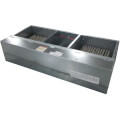
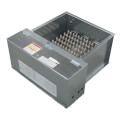

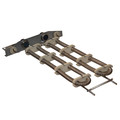
Carrier heaters are heating components and accessories built for equipment carrying the Carrier name, a manufacturer whose founder Willis Carrier invented modern air conditioning in 1902 and whose product lines have since expanded to cover the full range of home heating equipment. These parts include electric heat kits, heater elements, and related accessories used to add or restore supplemental heat inside Carrier air handlers and furnaces. Contractors typically need this equipment when retrofitting an air handler for electric heat strips or replacing a failed heating element that has burned out from age or airflow restriction. Matching kilowatt rating and physical dimensions to the specific air handler model is essential, since an incorrectly sized heater can trip breakers or fail to meet the heating capacity a system was designed to provide. Airflow requirements also need to be confirmed before installation, since electric heat kits depend on adequate air movement across the elements to avoid overheating.
Subcategories
- Electric Heat Kits: Electric heat kits add supplemental or backup heat to a Carrier air handler that otherwise relies solely on a heat pump for heating. Each kit is rated by kilowatt capacity and must match the air handler model it installs into, since mismatched kits can trip breakers or fail to reach adequate temperature rise. Contractors typically install these kits when a customer wants backup heat for particularly cold days or as the primary heat source in a system without a furnace. Wiring and breaker sizing both need to account for the kit's full electrical load.
- Heater Elements: Heater elements are the individual resistance coils inside an electric heat kit that generate heat when energized. These elements can fail independently of the rest of the kit, often from age, corrosion, or restricted airflow that causes them to overheat. Replacing a single failed element is usually more economical than replacing an entire heat kit, provided the element is confirmed to match the original specification. A continuity test with a multimeter is the most reliable way to confirm a suspected element failure.
- Sequencers and Relays: Sequencers and relays control the order in which individual heating elements energize, preventing an electric heat kit from drawing its full electrical load all at once. Staging the elements this way reduces the strain on a home's electrical panel and helps the system reach temperature more smoothly. A failed sequencer often causes only some stages of heat to activate, leaving a system that runs but never reaches full capacity. Replacing a sequencer requires matching its voltage and staging timing to the original component.
- Limit Switches: Limit switches shut off power to the heating elements if temperatures inside the air handler rise beyond a safe threshold, protecting the system from overheating due to restricted airflow or a failed blower. These switches are a safety component rather than a comfort feature, so a tripped limit switch usually points to an airflow problem elsewhere in the system rather than a defective switch itself. Replacing a limit switch without addressing the underlying airflow restriction often leads to repeat failures. Confirming the correct temperature rating is essential before installation.
Buying Guide
Selecting the right components from Carrier Heaters starts with confirming the exact air handler model the equipment will serve, since electric heat kits and elements are built to match specific chassis dimensions and airflow characteristics. Installing a kit rated for the wrong kilowatt capacity can either undersize the available heat or overload the electrical circuit feeding it, so checking the air handler's nameplate rating before ordering saves a return trip.
Airflow across the heating elements matters as much as electrical rating. A system with restricted airflow, whether from a dirty filter, undersized ductwork, or a failing blower motor, can cause elements to overheat and trip their limit switches repeatedly even when the heat kit itself is functioning correctly. Diagnosing airflow issues before installing new heating components helps avoid a callback for what looks like a defective part.
Sequencers and relays deserve attention during any heat kit replacement, since staging the elements properly reduces strain on the home's electrical panel and helps the system reach set temperature more evenly. A sequencer that fails to stage elements correctly can leave a system running but underperforming.
Contractors replacing individual elements rather than a full kit should confirm the element's resistance value with a multimeter before assuming a full kit replacement is necessary, since a single failed element is often the more economical fix.
Frequently Asked Questions
How do I size an electric heat kit for a Carrier air handler?
The air handler's nameplate specifies the compatible kilowatt ratings for heat kits designed to work with that model. Matching the kit to the nameplate rating ensures proper temperature rise without overloading the electrical circuit. Installing an unlisted kit can void warranty coverage and create airflow or electrical issues.
Why does my heat kit keep tripping the limit switch?
A tripped limit switch almost always points to restricted airflow rather than a defective switch. Checking for a dirty filter, blocked return, or failing blower motor usually identifies the underlying cause. Replacing the switch without correcting the airflow problem typically leads to the same trip happening again.
Can I replace a single heater element instead of the whole kit?
Yes, individual elements can usually be replaced on their own if the rest of the kit tests fine. A continuity check with a multimeter confirms whether one element has failed. This approach is typically more economical than replacing the entire heat kit.
What does a sequencer do in an electric heat system?
A sequencer stages the individual heating elements so they do not all draw power at the same instant, which reduces strain on the home's electrical panel. If a sequencer fails, some stages of heat may not activate at all. Matching the replacement sequencer's voltage and timing to the original part keeps staging consistent.
Do electric heat kits require a specific breaker size?
Breaker size depends on the full electrical load of the heat kit being installed, which is listed on the kit's nameplate. Undersized breakers will trip under normal operation, while oversized breakers can fail to protect the circuit properly. Following the kit's specified breaker and wire sizing avoids both problems.
