



Damper Controls
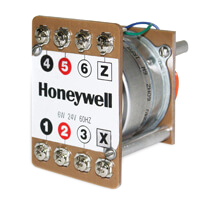
Damper controls are the electronic or electromechanical components that open and close dampers within an HVAC zoning system, directing conditioned air to specific zones based on thermostat calls. A control panel reads signals from one or more thermostats. It drives each zone's damper motor to the correct position, letting a single system heat or cool different areas independently.
Installers add damper controls to residential and light commercial HVAC systems that need zoned comfort. Examples include homes with multiple floors or additions that run hot or cold compared to the rest of the house. Matching the control panel and its zone dampers to the thermostats and equipment already in place keeps a zoning system responding accurately to each zone's demand.




Subcategories
- Aprilaire Zone Controls: Aprilaire zone controls pair a control panel with compatible thermostats and damper motors to manage multiple heating and cooling zones from a single HVAC system.
- Arzel Zone Controls: Arzel zone controls provide panel-based zoning for residential systems, coordinating thermostat calls across zones to open and close the correct dampers.
- Braeburn Zone Controls: Braeburn zone controls offer panel and thermostat combinations for multi-zone HVAC setups, directing airflow to the zone calling for heating or cooling.
- Damper Controls and Accessories: Damper controls and accessories in this listing cover general zoning components such as transformers, relays, and wiring used alongside a zone control panel to complete a system installation.
- EWC Zone Controls: EWC zone controls supply panel-based zoning components sized for residential and light commercial systems that need multiple independently controlled zones.
- Honeywell Home Zone Controls: Honeywell Home zone controls pair control panels with compatible thermostats and dampers to manage airflow across multiple zones in a single ducted system.
Buying Guide
The first step in choosing damper controls is confirming compatibility with the thermostats and equipment already on the job. Zone control panels are built to communicate with a specific brand's thermostats and damper motors. Mixing components across brands without a documented compatibility path can leave zones unresponsive or wired incorrectly.
Zone count drives panel selection. Each control panel supports a maximum number of zones. Count the distinct areas that need independent temperature control before selecting a panel. Choose one with enough capacity to cover the current zones plus any planned additions.
Check what the HVAC equipment itself requires from the control panel. Some furnaces and air handlers need specific staging or fan control signals to operate correctly in a zoned system. A panel that doesn't support the equipment's staging needs can cause short cycling or uneven airflow across zones.
Damper motor voltage and torque should match what the panel is designed to drive. Confirm the panel's output matches the damper motors specified for the ductwork size. An underpowered motor may not fully open or close a larger damper against system static pressure.
Beyond the panel and dampers, budget for the accessories a zoning job typically needs, including transformers, bypass dampers, and control wiring. Planning for these components alongside the main control panel keeps the installation from stalling partway through for a missing part.
Frequently Asked Questions
Can zone control panels from one brand be mixed with another brand's thermostats?
Generally not without documented compatibility. Zone control panels are built to communicate with a specific brand's thermostats and damper motors, so confirm compatibility before combining components.
How many zones can a typical control panel support?
It varies by panel model. Count the distinct areas needing independent temperature control first, then select a panel rated for that number of zones with room for future additions.
Do zone control panels need a separate transformer?
Many systems need a transformer sized to the panel's power draw, especially when adding zone controls to an existing system. Confirm the panel's power requirements before wiring it in.
What happens if a damper motor is undersized for the panel?
An undersized motor may not generate enough torque to fully open or close a larger damper against system static pressure, which can leave a zone underserved by airflow.
Are bypass dampers required in a zoning system?
Many multi-zone systems need a bypass damper to relieve pressure when only one zone is calling, protecting the equipment from operating against excessive static pressure.
Resources
Subcategories
- Aprilaire Zone Controls: Aprilaire zone controls pair a control panel with compatible thermostats and damper motors to manage multiple heating and cooling zones from a single HVAC system.
- Arzel Zone Controls: Arzel zone controls provide panel-based zoning for residential systems, coordinating thermostat calls across zones to open and close the correct dampers.
- Braeburn Zone Controls: Braeburn zone controls offer panel and thermostat combinations for multi-zone HVAC setups, directing airflow to the zone calling for heating or cooling.
- Damper Controls and Accessories: Damper controls and accessories in this listing cover general zoning components such as transformers, relays, and wiring used alongside a zone control panel to complete a system installation.
- EWC Zone Controls: EWC zone controls supply panel-based zoning components sized for residential and light commercial systems that need multiple independently controlled zones.
- Honeywell Home Zone Controls: Honeywell Home zone controls pair control panels with compatible thermostats and dampers to manage airflow across multiple zones in a single ducted system.
Buying Guide
The first step in choosing damper controls is confirming compatibility with the thermostats and equipment already on the job. Zone control panels are built to communicate with a specific brand's thermostats and damper motors. Mixing components across brands without a documented compatibility path can leave zones unresponsive or wired incorrectly.
Zone count drives panel selection. Each control panel supports a maximum number of zones. Count the distinct areas that need independent temperature control before selecting a panel. Choose one with enough capacity to cover the current zones plus any planned additions.
Check what the HVAC equipment itself requires from the control panel. Some furnaces and air handlers need specific staging or fan control signals to operate correctly in a zoned system. A panel that doesn't support the equipment's staging needs can cause short cycling or uneven airflow across zones.
Damper motor voltage and torque should match what the panel is designed to drive. Confirm the panel's output matches the damper motors specified for the ductwork size. An underpowered motor may not fully open or close a larger damper against system static pressure.
Beyond the panel and dampers, budget for the accessories a zoning job typically needs, including transformers, bypass dampers, and control wiring. Planning for these components alongside the main control panel keeps the installation from stalling partway through for a missing part.
Frequently Asked Questions
Can zone control panels from one brand be mixed with another brand's thermostats?
Generally not without documented compatibility. Zone control panels are built to communicate with a specific brand's thermostats and damper motors, so confirm compatibility before combining components.
How many zones can a typical control panel support?
It varies by panel model. Count the distinct areas needing independent temperature control first, then select a panel rated for that number of zones with room for future additions.
Do zone control panels need a separate transformer?
Many systems need a transformer sized to the panel's power draw, especially when adding zone controls to an existing system. Confirm the panel's power requirements before wiring it in.
What happens if a damper motor is undersized for the panel?
An undersized motor may not generate enough torque to fully open or close a larger damper against system static pressure, which can leave a zone underserved by airflow.
Are bypass dampers required in a zoning system?
Many multi-zone systems need a bypass damper to relieve pressure when only one zone is calling, protecting the equipment from operating against excessive static pressure.