




Filters
SORT
Product Availability –
Brand –
Product Type –
Review Score –
 --%3E %3Csvg version='1.1' id='Fill' xmlns='http://www.w3.org/2000/svg' xmlns:xlink='http://www.w3.org/1999/xlink' x='0px' y='0px' viewBox='0 0 100 100' enable-background='new 0 0 100 100' xml:space='preserve'%3E %3Cpath fill='%23F15C02' d='M79.44,0.95H20.56C9.78,0.95,0.95,9.78,0.95,20.56v58.87c0,10.79,8.82,19.61,19.61,19.61h58.87 c10.79,0,19.61-8.83,19.61-19.61V20.56C99.05,9.78,90.22,0.95,79.44,0.95z M65.38,58.24l9.38,29.58L49.69,69.78L24.5,87.82 l9.34-29.6L8.8,39.6l30.73-0.17c0,0,6.98-19.61,10-28.93c0.54,1.36,9.88,29.1,9.88,29.1H91.2L65.38,58.24z'/%3E %3C/svg%3E)
 --%3E %3Csvg version='1.1' id='With-RB' xmlns='http://www.w3.org/2000/svg' xmlns:xlink='http://www.w3.org/1999/xlink' x='0px' y='0px' viewBox='0 0 100 100' enable-background='new 0 0 100 100' xml:space='preserve'%3E %3Cpath fill='%23FBC8B4' d='M79.44,0.95H20.56C9.78,0.95,0.95,9.78,0.95,20.56v58.87c0,10.79,8.82,19.61,19.61,19.61h58.87 c10.79,0,19.61-8.83,19.61-19.61V20.56C99.05,9.78,90.22,0.95,79.44,0.95z M65.38,58.24l9.38,29.58L49.69,69.78L24.5,87.82 l9.34-29.6L8.8,39.6l30.73-0.17c0,0,6.98-19.61,10-28.93c0.54,1.36,9.88,29.1,9.88,29.1H91.2L65.38,58.24z'/%3E %3C/svg%3E)
Price Range –
Damper Controls and Accessories

 --%3E %3Csvg version='1.1' id='Half' xmlns='http://www.w3.org/2000/svg' xmlns:xlink='http://www.w3.org/1999/xlink' x='0px' y='0px' viewBox='0 0 100 100' enable-background='new 0 0 100 100' xml:space='preserve'%3E %3Cg%3E %3Cpath fill='%23F15C02' d='M30.05,70.23l3.79-12.01L8.8,39.6l30.73-0.17c0,0,6.98-19.61,10-28.93c0.54,1.36,9.88,29.1,9.88,29.1h1.58 L93.71,7.18c-3.58-3.82-8.66-6.23-14.28-6.23H20.56C9.78,0.95,0.95,9.78,0.95,20.56v58.87c0,5.41,2.22,10.32,5.79,13.88 L30.05,70.23z'/%3E %3C/g%3E %3Cpath fill='%23FBC8B4' d='M93.71,7.18L60.98,39.6H91.2L65.38,58.24l9.38,29.58L49.69,69.78L24.5,87.82l5.55-17.59L6.75,93.32 c3.55,3.54,8.44,5.73,13.82,5.73h58.87c10.79,0,19.61-8.83,19.61-19.61V20.56C99.05,15.4,97.01,10.69,93.71,7.18z'/%3E %3C/svg%3E)

 --%3E %3Csvg version='1.1' id='No-RB' xmlns='http://www.w3.org/2000/svg' xmlns:xlink='http://www.w3.org/1999/xlink' x='0px' y='0px' viewBox='0 0 100 100' enable-background='new 0 0 100 100' xml:space='preserve'%3E %3Cpath fill='%23CECECE' d='M79.44,0.95H20.56C9.78,0.95,0.95,9.78,0.95,20.56v58.87c0,10.79,8.82,19.61,19.61,19.61h58.87 c10.79,0,19.61-8.83,19.61-19.61V20.56C99.05,9.78,90.22,0.95,79.44,0.95z M65.38,58.24l9.38,29.58L49.69,69.78L24.5,87.82 l9.34-29.6L8.8,39.6l30.73-0.17c0,0,6.98-19.61,10-28.93c0.54,1.36,9.88,29.1,9.88,29.1H91.2L65.38,58.24z'/%3E %3C/svg%3E)
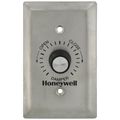


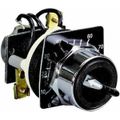

Damper Controls and Accessories are the actuators, linkages, and mounting hardware that convert an electrical or pneumatic control signal into physical damper movement, regulating airflow through a duct system. A furnace, air handler, or VAV terminal unit relies on this hardware to open, close, or modulate a damper blade in response to a thermostat, building automation system, or fire and smoke detection circuit. Belimo's fire and smoke actuator line, for example, covers a torque range from 18 in-lb to 180 in-lb at temperatures up to 350 degrees Fahrenheit, with spring return models available for fail-safe closure on power loss. SupplyHouse carries actuators from Honeywell, Honeywell Home, Carrier, Siemens, and Belimo, spanning electric two-position and modulating models as well as pneumatic actuators for older control systems still common in schools and hospitals. Matching the actuator's torque, voltage, and mounting style to the damper it's replacing keeps airflow control working correctly after a service call.
Subcategories
- Electric Two-Position Actuators: Electric two-position actuators drive a damper fully open or fully closed on a single control signal, with no modulating positions in between. Honeywell Home's M847A1072 model runs on 24 volts and includes an arm linkage kit for direct connection to a damper blade. Technicians use two-position actuators on simple zoning dampers and outdoor air dampers that only need an open or closed state.
- Modulating Actuators: Modulating actuators drive a damper to any position between fully open and fully closed, tracking a variable control signal from a thermostat or building automation system. Belimo and Siemens both supply modulating models alongside their two-position lines for applications like VAV boxes that need precise airflow control. Building automation retrofits often call for a modulating actuator to replace a failed two-position unit when the sequence of operation changes.
- Fire and Smoke Actuators: Fire and smoke actuators drive dampers built into fire-rated or smoke-rated duct penetrations, and Belimo's line covers a torque range from 18 in-lb to 180 in-lb at temperatures up to 350 degrees Fahrenheit. Spring return construction closes the damper automatically on loss of power, meeting the fail-safe requirement for life-safety dampers. Code-required inspection and testing schedules apply to this actuator category, so matching the replacement to the original torque and spring return rating matters.
- Pneumatic Actuators: Pneumatic actuators use compressed air pressure instead of electric current to drive a damper, and Siemens supplies models like the #6 pneumatic actuator with pivot mount rated for a 3 to 8 psi control signal. Older commercial buildings, schools, and hospitals often still run pneumatic control systems, so replacement actuators need to match the existing pressure range. Technicians retrofitting a pneumatic system to electric control swap the actuator type entirely rather than mixing pneumatic and electric hardware on the same damper.
Buying Guide
Start by identifying the control signal already running to the damper: electric systems use 24 volt or line voltage signals, while pneumatic systems use compressed air at a specific psi range such as 3 to 8 psi or 8 to 13 psi. Replacing an actuator with the wrong control type means rewiring or re-piping the whole zone instead of a straight swap.
Next, confirm whether the application needs two-position or modulating control. A simple outdoor air or zoning damper that only opens and closes works fine with a two-position actuator, while a VAV box or any application that needs precise airflow control at partial positions calls for a modulating model. Check the torque rating against the damper blade size and resistance; an undersized actuator struggles to fully open or close a larger blade, especially against duct pressure.
For fire and smoke dampers, spring return construction is typically required so the damper closes automatically on power loss, and the actuator's torque and temperature rating need to match the original equipment or the damper manufacturer's specification exactly. Sourcing Damper Controls and Accessories from the same brand as the existing system, when possible, simplifies wiring and linkage compatibility, though cross-brand replacement actuators cover the gap when an exact original-brand match isn't practical to source. Confirming mounting style, either direct shaft mount or arm and linkage kit, before ordering avoids a return trip for the wrong hardware.
Frequently Asked Questions
What's the difference between a two-position and a modulating damper actuator?
A two-position actuator drives a damper fully open or fully closed on a single signal, with no positions in between. A modulating actuator tracks a variable signal and can hold a damper at any point between open and closed for precise airflow control. VAV boxes and applications needing partial airflow typically call for the modulating type, while simple zoning or outdoor air dampers often use two-position.
Why do fire and smoke damper actuators need spring return construction?
Spring return construction closes a fire or smoke damper automatically when power is lost, meeting the fail-safe requirement for life-safety dampers. Belimo's fire and smoke actuator line covers torque ratings from 18 in-lb to 180 in-lb at temperatures up to 350 degrees Fahrenheit to handle that application. Matching torque, temperature rating, and spring return force to the original equipment keeps the replacement code-compliant.
Can a pneumatic damper actuator be replaced with an electric one?
Replacing a pneumatic actuator with an electric model means converting the whole control loop, since pneumatic actuators run on compressed air pressure rather than an electric signal. Siemens pneumatic actuators like the #6 model run on a 3 to 8 psi control range, which an electric actuator can't directly interpret. Buildings converting from pneumatic to electric control typically replace actuators zone by zone rather than swapping a single unit.
How does torque rating affect actuator selection?
Torque rating determines how much force an actuator can apply to open or close a damper blade against its own weight and duct pressure. An undersized actuator struggles to fully open or close a larger blade, particularly on fire and smoke dampers where full travel matters for code compliance. Matching the torque rating to the damper manufacturer's specification avoids a weak or incomplete stroke.
What mounting styles do damper actuators use?
Damper actuators mount either directly on the damper shaft or through an arm and linkage kit connected to the blade. Honeywell Home's M847A1072 model, for example, includes an arm linkage kit for direct connection to a damper blade at 24 volts. Confirming the mounting style before ordering avoids a mismatch between the actuator and the damper hardware already installed.
