




Delany Urinal Flush Valves

 --%3E %3Csvg version='1.1' id='No-RB' xmlns='http://www.w3.org/2000/svg' xmlns:xlink='http://www.w3.org/1999/xlink' x='0px' y='0px' viewBox='0 0 100 100' enable-background='new 0 0 100 100' xml:space='preserve'%3E %3Cpath fill='%23CECECE' d='M79.44,0.95H20.56C9.78,0.95,0.95,9.78,0.95,20.56v58.87c0,10.79,8.82,19.61,19.61,19.61h58.87 c10.79,0,19.61-8.83,19.61-19.61V20.56C99.05,9.78,90.22,0.95,79.44,0.95z M65.38,58.24l9.38,29.58L49.69,69.78L24.5,87.82 l9.34-29.6L8.8,39.6l30.73-0.17c0,0,6.98-19.61,10-28.93c0.54,1.36,9.88,29.1,9.88,29.1H91.2L65.38,58.24z'/%3E %3C/svg%3E)

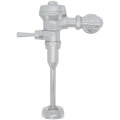

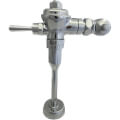
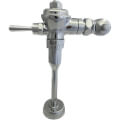
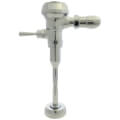
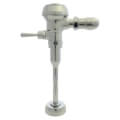
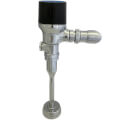


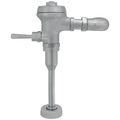
Delany urinal flush valves are manual flushometers built by Delany Products, a family-owned manufacturer founded in 1879 and based in Charlottesville, Virginia. Every valve in the line carries a field-adjustable regulating screw, letting a plumber dial in the exact flush volume on site rather than swapping parts to hit a water-conservation target. Delany builds the diaphragms and vacuum breakers from chloramine-resistant material, addressing a common failure point in older flush valves once municipal water treatment shifted toward chloramine disinfection. The line also uses a replaceable main valve seat, so a worn seat can be swapped without replacing the entire valve body. Facility maintenance teams at schools, stadiums, and other high-traffic institutional restrooms specify Delany valves for this combination of field adjustability and long-term repairability, since a valve that can be tuned and rebuilt on site keeps a busy restroom running without a full valve replacement.
Subcategories
- Exposed Flush Valves: Exposed flush valves mount on the surface of the wall with the entire valve body visible above the urinal, which is the standard configuration in most commercial restrooms. Plumbers favor this style because every internal component stays reachable for field adjustment or repair without opening a wall. Delany's Ultra line includes exposed models built for an 11-1/2 inch rough-in, a common spacing in institutional restroom construction. Maintenance staff can access the regulating screw and diaphragm directly through the exposed body.
- Concealed Flush Valves: Concealed flush valves hide the valve body inside the wall, leaving only a cover plate and handle visible in the finished restroom. Architects and facility owners choose this configuration for a cleaner look in high-visibility spaces like airports, hotels, and upscale commercial buildings. Servicing a concealed valve requires removing the access cover rather than reaching the body directly, which some maintenance teams weigh against the improved appearance. Delany builds concealed options within its manual flush valve catalog alongside its exposed models.
- Manual Flush Valves: Manual flush valves activate with a handle that a user pushes after each use, relying on the line pressure in the building's water supply to complete the flush cycle. Delany's manual valves carry the field-adjustable regulating screw across the line, letting a technician dial in flush volume from 0.5 GPF up through higher-volume settings depending on the model. Schools and stadiums with heavy daily use favor manual valves for their mechanical simplicity and lack of batteries or sensors to maintain. A replaceable main valve seat keeps rebuild costs down over the life of the fixture.
- Sensor Flush Valves: Sensor flush valves add an infrared activation sensor to the same diaphragm valve body used in Delany's manual line, triggering a flush automatically once a user steps away from the fixture. Facility managers specify sensor models in restrooms where hands-free operation supports hygiene goals, such as hospitals and food service facilities. Delany's sensor catalog sits alongside its manual valve offerings, giving a building the option to standardize on the same valve body across both activation types. Battery or hardwired power options are typically available depending on the specific sensor model chosen.
Buying Guide
Start by confirming the rough-in dimension the existing plumbing already has in place. Retrofitting an older restroom usually means matching a valve to the spud connection and rough-in spacing already installed rather than resizing the supply piping to fit a new valve.
Next, decide between exposed and concealed mounting. An exposed valve keeps every serviceable part accessible without opening a wall, which speeds up future maintenance visits. A concealed valve hides the body behind a cover plate for a cleaner look in high-visibility spaces, at the cost of a slightly longer repair process when service is needed.
Choosing Delany Urinal Flush Valves also means deciding between manual and sensor activation. Manual valves need no batteries or wiring and hold up well under heavy daily use in schools and stadiums. Sensor valves add hands-free operation that supports hygiene goals in hospitals, airports, and food service restrooms, but they need periodic battery replacement or a hardwired power connection depending on the model chosen.
Finally, check the flush volume against local plumbing code and the building's water-conservation goals. Delany's regulating screw lets a technician adjust flush volume on site, so a single valve model can often meet a range of GPF targets without ordering a different part number for every restroom. Confirming the replaceable main valve seat is available for the chosen model also keeps long-term rebuild costs predictable.
Frequently Asked Questions
What does the regulating screw on a Delany flush valve actually do?
The regulating screw sits in the upper chamber of the valve and lets a technician adjust flush volume without disassembling the valve or ordering a different internal kit. Turning it changes how much water passes during each flush cycle, which helps a building hit a specific GPF target for code compliance or water conservation. Delany includes this feature across its manual flush valve line.
How is a Delany urinal flush valve different from a standard flushometer?
Delany urinal flush valves use chloramine-resistant diaphragms and vacuum breakers, addressing a failure point that shows up in older valves once a municipal water supplier switches to chloramine disinfection. The replaceable main valve seat also sets these valves apart, since a worn seat can be swapped out instead of replacing the entire valve body. Both features aim at extending service life in high-traffic institutional restrooms.
Should a restroom use an exposed or concealed Delany flush valve?
Exposed valves keep every part reachable for field service without opening a wall, making them the more common choice in typical commercial and institutional restrooms. Concealed valves hide the body behind a cover plate, which architects often specify for high-visibility spaces like hotel lobbies or airport restrooms. The decision usually comes down to how much the finished appearance matters versus how quickly maintenance staff need access for repairs.
Does a sensor upgrade work with an existing manual Delany valve?
Delany builds its sensor flush valves on the same diaphragm body used across its manual line, so a facility standardizing on Delany products can often move to sensor activation without replacing the entire rough-in. Sensor models add hands-free operation for restrooms where hygiene is a priority, such as hospitals or food service facilities. Battery life or hardwired power needs vary by the specific sensor model installed.
What GPF range do Delany urinal flush valves cover?
Delany's urinal valve line spans a range of GPF ratings, with models built for the water-conserving end of that range down around 0.5 GPF up to higher-volume settings for older code requirements. The regulating screw allows fine adjustment within a model's rated range without swapping parts. Checking local plumbing code before choosing a GPF rating keeps the installation compliant from day one.
