



Flush Valves
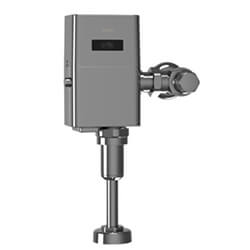
Flush valves are the mechanisms that control water discharge into a toilet or urinal bowl on commercial and some residential fixtures. Most are built around a diaphragm or piston design fed by a dedicated water supply line rather than a tank. They are the standard choice in high-traffic commercial restrooms because they refill and reset quickly between uses.
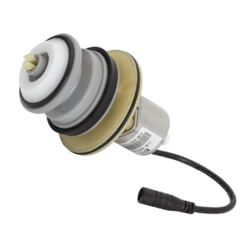
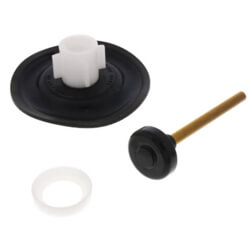
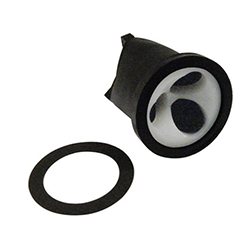
This category spans complete flush valve assemblies, repair parts, and replacement kits that keep them running. Parts range from diaphragm kits to handle assemblies and flush plates across the major manufacturers used in commercial plumbing. Matching parts to the exact valve model on the fixture keeps water consumption and flush performance within the rated specification.
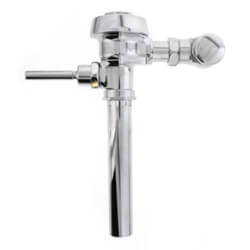
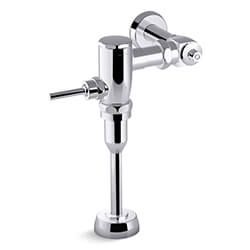


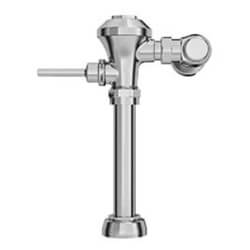
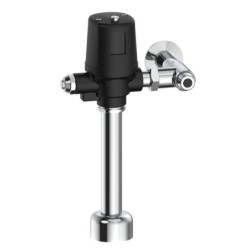



Subcategories
- American Standard Flush Valve Replacement Parts: Replacement parts sized for American Standard flush valve assemblies, covering diaphragms, handles, and other wear components. Plumbers use these to restore proper flush performance on an existing American Standard valve without replacing the whole unit. Matching the part number to the installed valve model keeps the repair straightforward.
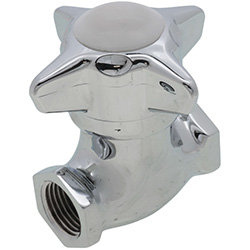
- American Standard Flush Valves: Complete American Standard flush valve assemblies for new installation or full replacement. These are built around the same diaphragm-style operation common to commercial flush valves, feeding off a dedicated supply line rather than a tank. Contractors spec them for commercial restrooms already standardized on American Standard fixtures.
- Delany Flush Valves: Flush valve assemblies from Delany, a manufacturer whose valves are common in older commercial and institutional buildings. Matching a Delany valve exactly, rather than substituting a similar valve from another brand, keeps the flush volume and handle operation consistent with what the fixture was designed for.
- Delany Replacement Parts: Repair and replacement parts for Delany flush valves, including diaphragms and internal components subject to wear. Keeping these parts on hand lets a plumber restore an older Delany valve to proper operation without a full assembly replacement. Part compatibility should be checked against the specific Delany valve model on site.
- Delta Flush Valves: Complete flush valve assemblies from Delta, used on both commercial and select residential installations. These operate on the same basic diaphragm or piston principle as other flush valves in this category, feeding from a pressurized supply line. Contractors select them when standardizing a job on Delta fixtures.
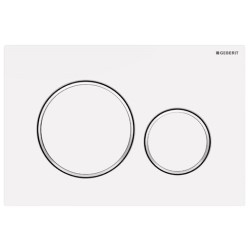
- Geberit Flush Plates: Flush plates from Geberit, used with Geberit's in-wall and concealed flush valve systems. These plates are the visible, user-operated component paired with a flush valve mechanism installed behind the wall. Matching the plate to the specific Geberit valve system keeps the actuation mechanism working correctly.
Buying Guide
The first decision on any flush valve job is whether the work is a full assembly replacement or a repair. A worn diaphragm, handle, or internal seal often restores a valve to proper operation without replacing the entire unit. Repair kits are typically less involved to install than a full valve swap.
Brand and model matching drives everything else. Flush valves from different manufacturers are not interchangeable even when they look similar. Internal components like diaphragms and handle assemblies are specific to the valve line they were designed for. Confirming the exact model before ordering avoids a return trip for the wrong part.
Flush volume matters for both code compliance and fixture compatibility. Toilets and urinals are rated for a specific gallons-per-flush figure, and the flush valve installed has to match that rating to avoid overflow or an incomplete flush. Retrofitting a fixture with a valve rated for a different flush volume is not a reliable fix.
Supply line pressure and pipe size at the rough-in also factor into valve selection, since flush valves rely on line pressure rather than tank gravity to operate. A valve rated for a certain flow range may not perform consistently if the building's supply pressure falls outside that range.
For concealed or in-wall systems, the flush plate and the valve body have to come from the same product line, since actuation linkages are not standardized across manufacturers. Confirming plate compatibility with the installed valve avoids a mismatch that leaves the flush mechanism inoperable.
Frequently Asked Questions
Can flush valve parts from one manufacturer be used to repair another brand's valve?
Generally no. Diaphragms, handles, and other internal components are built to the tolerances of a specific manufacturer's valve line. Parts from a different brand typically will not seal or operate correctly, even if the valve looks similar from the outside.
How do I know if a flush valve needs a repair kit or full replacement?
If the valve body itself is intact and the issue is inconsistent flushing, running water, or a worn handle, a diaphragm or repair kit usually resolves it. A cracked body, stripped threads, or persistent leaking after a kit replacement points toward a full assembly swap.
What is the difference between a flush valve and a flushometer?
The terms are largely interchangeable in commercial plumbing. Both describe the same diaphragm- or piston-based mechanism that uses supply line pressure to flush a toilet or urinal without a storage tank.
Do concealed flush valve systems use the same parts as exposed valves?
No. Concealed, in-wall systems use a valve body installed behind the wall paired with a separate flush plate for user actuation. Exposed valves combine the handle and valve body in one visible unit. Plates and valve bodies from the same product line are not interchangeable with exposed valve parts.
How is the correct flush volume determined for a replacement valve?
Flush volume should match the fixture's rated gallons-per-flush. Installing a valve rated for a different flush volume than the fixture calls for can cause an incomplete flush or code compliance issues.
Resources
Subcategories
- American Standard Flush Valve Replacement Parts: Replacement parts sized for American Standard flush valve assemblies, covering diaphragms, handles, and other wear components. Plumbers use these to restore proper flush performance on an existing American Standard valve without replacing the whole unit. Matching the part number to the installed valve model keeps the repair straightforward.
- American Standard Flush Valves: Complete American Standard flush valve assemblies for new installation or full replacement. These are built around the same diaphragm-style operation common to commercial flush valves, feeding off a dedicated supply line rather than a tank. Contractors spec them for commercial restrooms already standardized on American Standard fixtures.
- Delany Flush Valves: Flush valve assemblies from Delany, a manufacturer whose valves are common in older commercial and institutional buildings. Matching a Delany valve exactly, rather than substituting a similar valve from another brand, keeps the flush volume and handle operation consistent with what the fixture was designed for.
- Delany Replacement Parts: Repair and replacement parts for Delany flush valves, including diaphragms and internal components subject to wear. Keeping these parts on hand lets a plumber restore an older Delany valve to proper operation without a full assembly replacement. Part compatibility should be checked against the specific Delany valve model on site.
- Delta Flush Valves: Complete flush valve assemblies from Delta, used on both commercial and select residential installations. These operate on the same basic diaphragm or piston principle as other flush valves in this category, feeding from a pressurized supply line. Contractors select them when standardizing a job on Delta fixtures.
- Geberit Flush Plates: Flush plates from Geberit, used with Geberit's in-wall and concealed flush valve systems. These plates are the visible, user-operated component paired with a flush valve mechanism installed behind the wall. Matching the plate to the specific Geberit valve system keeps the actuation mechanism working correctly.
Buying Guide
The first decision on any flush valve job is whether the work is a full assembly replacement or a repair. A worn diaphragm, handle, or internal seal often restores a valve to proper operation without replacing the entire unit. Repair kits are typically less involved to install than a full valve swap.
Brand and model matching drives everything else. Flush valves from different manufacturers are not interchangeable even when they look similar. Internal components like diaphragms and handle assemblies are specific to the valve line they were designed for. Confirming the exact model before ordering avoids a return trip for the wrong part.
Flush volume matters for both code compliance and fixture compatibility. Toilets and urinals are rated for a specific gallons-per-flush figure, and the flush valve installed has to match that rating to avoid overflow or an incomplete flush. Retrofitting a fixture with a valve rated for a different flush volume is not a reliable fix.
Supply line pressure and pipe size at the rough-in also factor into valve selection, since flush valves rely on line pressure rather than tank gravity to operate. A valve rated for a certain flow range may not perform consistently if the building's supply pressure falls outside that range.
For concealed or in-wall systems, the flush plate and the valve body have to come from the same product line, since actuation linkages are not standardized across manufacturers. Confirming plate compatibility with the installed valve avoids a mismatch that leaves the flush mechanism inoperable.
Frequently Asked Questions
Can flush valve parts from one manufacturer be used to repair another brand's valve?
Generally no. Diaphragms, handles, and other internal components are built to the tolerances of a specific manufacturer's valve line. Parts from a different brand typically will not seal or operate correctly, even if the valve looks similar from the outside.
How do I know if a flush valve needs a repair kit or full replacement?
If the valve body itself is intact and the issue is inconsistent flushing, running water, or a worn handle, a diaphragm or repair kit usually resolves it. A cracked body, stripped threads, or persistent leaking after a kit replacement points toward a full assembly swap.
What is the difference between a flush valve and a flushometer?
The terms are largely interchangeable in commercial plumbing. Both describe the same diaphragm- or piston-based mechanism that uses supply line pressure to flush a toilet or urinal without a storage tank.
Do concealed flush valve systems use the same parts as exposed valves?
No. Concealed, in-wall systems use a valve body installed behind the wall paired with a separate flush plate for user actuation. Exposed valves combine the handle and valve body in one visible unit. Plates and valve bodies from the same product line are not interchangeable with exposed valve parts.
How is the correct flush volume determined for a replacement valve?
Flush volume should match the fixture's rated gallons-per-flush. Installing a valve rated for a different flush volume than the fixture calls for can cause an incomplete flush or code compliance issues.