




Filters
SORT
Product Availability –
Brand –
Review Score –
 --%3E %3Csvg version='1.1' id='Fill' xmlns='http://www.w3.org/2000/svg' xmlns:xlink='http://www.w3.org/1999/xlink' x='0px' y='0px' viewBox='0 0 100 100' enable-background='new 0 0 100 100' xml:space='preserve'%3E %3Cpath fill='%23F15C02' d='M79.44,0.95H20.56C9.78,0.95,0.95,9.78,0.95,20.56v58.87c0,10.79,8.82,19.61,19.61,19.61h58.87 c10.79,0,19.61-8.83,19.61-19.61V20.56C99.05,9.78,90.22,0.95,79.44,0.95z M65.38,58.24l9.38,29.58L49.69,69.78L24.5,87.82 l9.34-29.6L8.8,39.6l30.73-0.17c0,0,6.98-19.61,10-28.93c0.54,1.36,9.88,29.1,9.88,29.1H91.2L65.38,58.24z'/%3E %3C/svg%3E)
 --%3E %3Csvg version='1.1' id='With-RB' xmlns='http://www.w3.org/2000/svg' xmlns:xlink='http://www.w3.org/1999/xlink' x='0px' y='0px' viewBox='0 0 100 100' enable-background='new 0 0 100 100' xml:space='preserve'%3E %3Cpath fill='%23FBC8B4' d='M79.44,0.95H20.56C9.78,0.95,0.95,9.78,0.95,20.56v58.87c0,10.79,8.82,19.61,19.61,19.61h58.87 c10.79,0,19.61-8.83,19.61-19.61V20.56C99.05,9.78,90.22,0.95,79.44,0.95z M65.38,58.24l9.38,29.58L49.69,69.78L24.5,87.82 l9.34-29.6L8.8,39.6l30.73-0.17c0,0,6.98-19.61,10-28.93c0.54,1.36,9.88,29.1,9.88,29.1H91.2L65.38,58.24z'/%3E %3C/svg%3E)
Price Range –
ECM Motors


 --%3E %3Csvg version='1.1' id='No-RB' xmlns='http://www.w3.org/2000/svg' xmlns:xlink='http://www.w3.org/1999/xlink' x='0px' y='0px' viewBox='0 0 100 100' enable-background='new 0 0 100 100' xml:space='preserve'%3E %3Cpath fill='%23CECECE' d='M79.44,0.95H20.56C9.78,0.95,0.95,9.78,0.95,20.56v58.87c0,10.79,8.82,19.61,19.61,19.61h58.87 c10.79,0,19.61-8.83,19.61-19.61V20.56C99.05,9.78,90.22,0.95,79.44,0.95z M65.38,58.24l9.38,29.58L49.69,69.78L24.5,87.82 l9.34-29.6L8.8,39.6l30.73-0.17c0,0,6.98-19.61,10-28.93c0.54,1.36,9.88,29.1,9.88,29.1H91.2L65.38,58.24z'/%3E %3C/svg%3E)
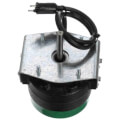

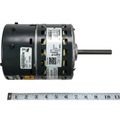
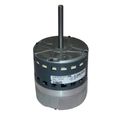
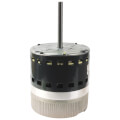
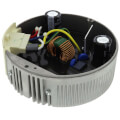
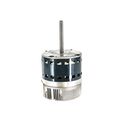
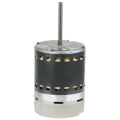
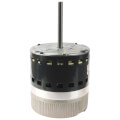
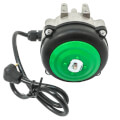
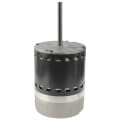
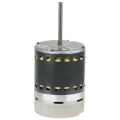
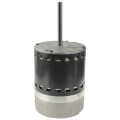
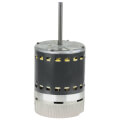
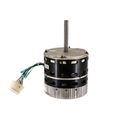
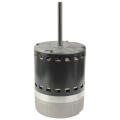
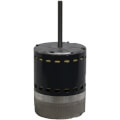
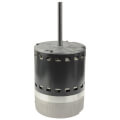
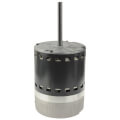
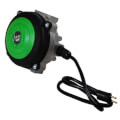

ECM motors are electronically commutated blower and fan motors used in furnaces, air handlers, and packaged HVAC units to move conditioned air more efficiently than older single-speed designs. Unlike a permanent split capacitor (PSC) motor, an ECM uses a built-in control module to vary motor speed in small increments, matching airflow to the exact demand of the system rather than running at one fixed speed. That variable-speed control cuts electrical draw during partial-load operation, reduces startup current, and lets a system ramp gently instead of cycling on and off at full output. Technicians replace ECM motors on furnaces, air handlers, fan coils, and some condensing units across most major residential and light commercial brands. Because the motor's control module is often matched to a specific blower housing and CFM range, matching the replacement to the original horsepower, RPM range, and control interface keeps airflow, static pressure, and equipment warranty coverage intact.
Subcategories
- Variable-Speed ECM Motors: Variable-speed ECM motors adjust output across a wide RPM range to hold steady airflow as filters load or ductwork restricts flow. Furnace and air handler technicians use them where a system calls for multiple airflow profiles, such as heating, cooling, and continuous fan modes. The motor's control module stores several speed taps that installers select to match the equipment's rated CFM. Because the module is programmed rather than mechanically geared, swapping a burned-out unit means matching both the horsepower and the control interface, not just the frame size.
- Constant-Torque ECM Motors: Constant-torque ECM motors hold a fixed torque output and adjust speed automatically as static pressure changes in the duct system, making them a common direct replacement for older PSC motors in furnaces and air handlers. They use simple low-voltage taps rather than a full communicating control board, so installers can often swap one in without reprogramming an electronic interface. It suits retrofit jobs where the rest of the HVAC control system doesn't communicate electronically. Torque, not RPM, is the number field technicians match when sourcing a replacement.
- ECM Motor Modules and Controls: The control module is the electronic component that converts incoming AC power and command signals into the motor's variable-speed output, and it is often replaced separately from the motor itself when a unit fails electronically rather than mechanically. Modules are matched to a specific motor frame and horsepower, and many manufacturers pair a given module firmware revision to particular blower applications. Technicians troubleshoot ECM failures by checking whether the fault lives in the module or the motor windings before ordering a part. Replacing only the module, when possible, is typically the lower-cost repair path.
- Motor Mounts and Wiring Accessories: A motor swap often calls for supporting hardware beyond the motor itself, including rubber vibration mounts, wiring harness pigtails, and shaft collars sized to the specific frame. Matching mount type keeps the replacement motor secured the same way the original was, which matters for reducing vibration noise in furnace and air handler cabinets. Wiring pigtails let a technician connect a new motor's harness to existing control wiring without splicing bare leads. Stocking the correct mount and harness style for a given motor family speeds up a same-visit repair.
Buying Guide
Start by confirming whether the failed motor is variable-speed or constant-torque, since the two use different control logic and are not interchangeable without matching that design. Pull the horsepower, voltage, and RPM range directly off the nameplate rather than guessing from the equipment model number, because a single furnace or air handler platform can ship with more than one motor size depending on tonnage.
Next, check whether the failure is in the motor windings or the control module. A module fault can sometimes be repaired by replacing only the module, which is a smaller and faster job than swapping the full motor and recommissioning the blower assembly. When ordering ECM motors for a service call, match the shaft diameter, rotation direction, and mounting bolt pattern to the original part, since a motor that is electrically compatible can still be physically incompatible with the housing.
Reprogramming or configuring speed taps is often required after installing a new control module, so confirm the replacement includes documentation or default settings appropriate for the connected blower wheel and duct static pressure. Finally, verify OEM cross-reference numbers carefully. Many manufacturers rebadge the same base motor under different part numbers, and using the wrong cross-reference can lead to an undersized or oversized replacement that shortens motor life or reduces comfort performance.
Frequently Asked Questions
What is the difference between an ECM motor and a PSC motor?
A PSC (permanent split capacitor) motor runs at one or a few fixed speeds set by physical taps, while an ECM motor uses an internal control module to vary speed continuously. That variable-speed operation lets an ECM motor use less electricity at partial load and ramp airflow gradually instead of switching on at full speed. Most ECM motors also run quieter than a comparable PSC motor at the same airflow rate.
Can a PSC motor be replaced with an ECM motor in the same furnace?
Sometimes, but it depends on whether the furnace control board can communicate with an ECM module or only sends simple low-voltage signals. A constant-torque ECM motor can often be dropped into a PSC application because it uses similar tap-style wiring. A fully variable-speed ECM motor usually requires a communicating control board and is not a straightforward swap.
How do technicians know if an ECM motor problem is the motor or the module?
Checking for correct incoming voltage and control signals at the module is the first step, since many reported 'motor' failures are actually module faults. If the module is receiving proper signals but the motor still will not run or ramp correctly, the motor windings or bearings are the likely cause. Many manufacturers sell the module separately from the motor for this reason.
What information is needed before ordering a replacement ECM motor?
The horsepower, voltage, RPM range, and rotation direction from the nameplate, along with the OEM part number if it's still legible, are the starting point. Shaft diameter and mounting bolt pattern confirm the replacement fits the existing blower housing. If the motor uses a control module, confirming whether the module is included or needs to be ordered separately avoids a delayed repair.
Do ECM motors need to be reprogrammed after installation?
Variable-speed ECM motors often need their speed taps or dip switches set to match the specific furnace or air handler application. Constant-torque models typically ship pre-set from the factory and need less configuration. Checking the installation instructions for the specific motor and control module confirms which setup steps apply.
