




Electrical Controls
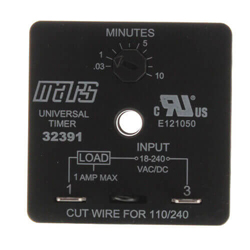
Electrical controls are switching, sensing, and relay components. They regulate motor starts, safety shutoffs, and load management inside HVAC, refrigeration, and appliance systems. Technicians turn to this category when a failed contactor, relay, or sensor is stopping a compressor, blower, or fan motor from cycling on command. Components range from simple overload relays and time delays to more specialized current sensors and transformers used in commercial control panels.
Matching the correct control to the equipment it serves matters more than picking the cheapest part on the shelf. A relay or contactor rated for the wrong voltage, coil type, or amperage can trip nuisance faults or fail outright under load. Stocking a working range of contactors, relays, and switches lets a service tech close out more calls on the first truck run instead of waiting on a special order.



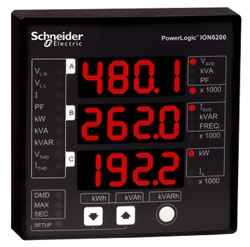
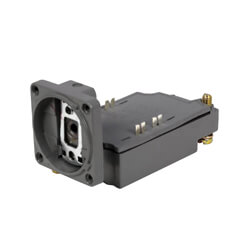
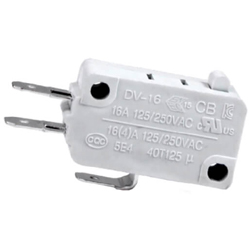
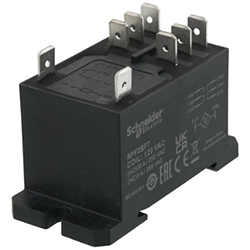
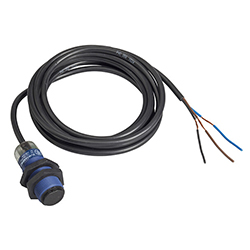
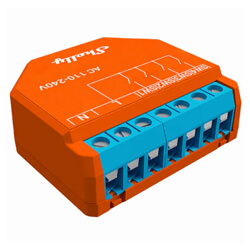

Subcategories
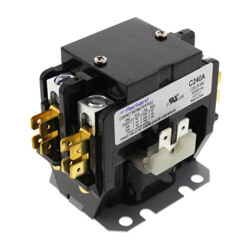
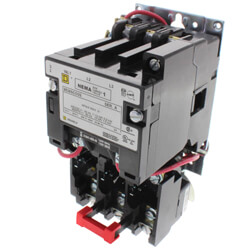
- Contactors: Contactors switch high-voltage power to compressors, condenser fans, and other heavy loads using a low-voltage control signal. They are built to handle frequent on/off cycling without the contacts welding shut or burning out early. Pole count, coil voltage, and amp rating all need to match the original part before installing a replacement.
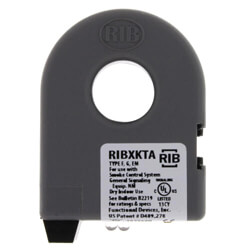
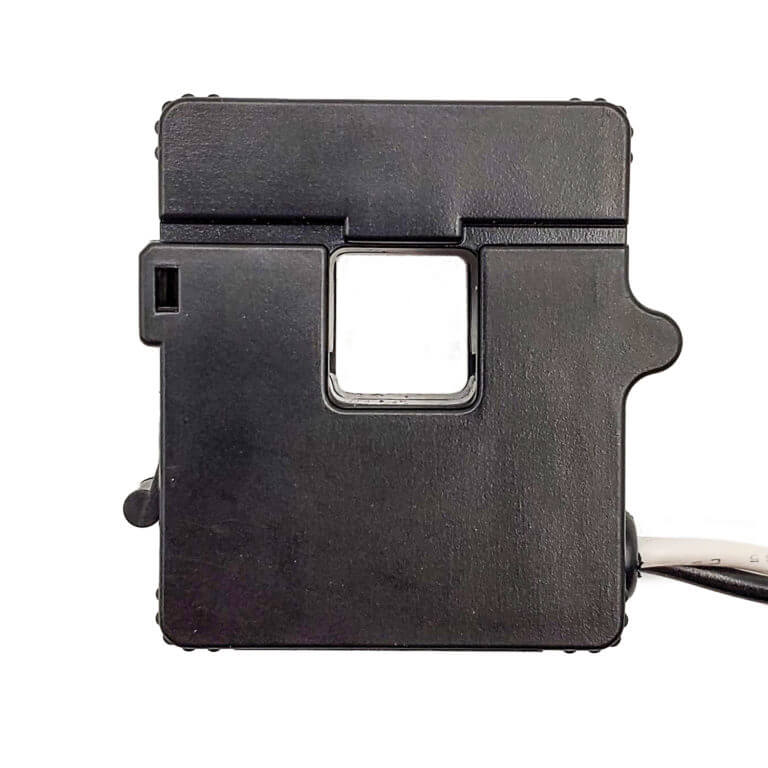
- Current Sensors: Current sensors monitor amperage draw on a motor or circuit and signal a control board or relay when readings fall outside a set range. Contractors use them to detect belt slippage, a failing motor, or airflow restriction without opening up ductwork. Many mount directly around an existing conductor, so no rewiring is required.
- Current Transformers: Current transformers step down high current readings to a manageable signal that a meter, sensor, or control board can read safely. They show up in commercial electrical panels and HVAC control cabinets where technicians need an accurate read on load without touching live power conductors. Ratio and mounting style both need to match the panel design.
- Electrical Limit Switches: Limit switches shut equipment down when a temperature, pressure, or position moves past a safe operating point, protecting a furnace, boiler, or blower from running outside its design range. They are a common failure point on older equipment because they cycle every time the system reaches its limit. Replacing a stuck or worn switch is often faster than troubleshooting a full control board.
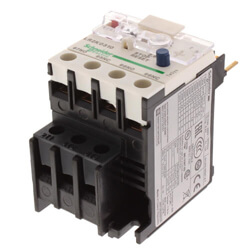
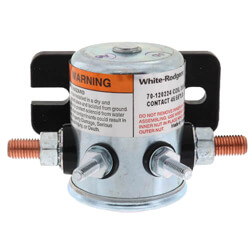
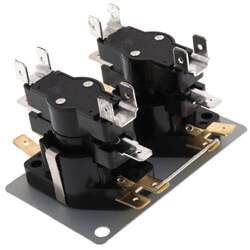
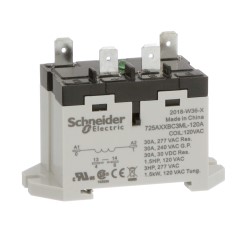
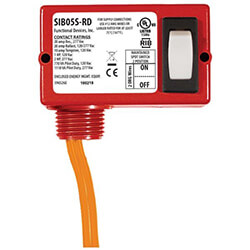
- Electrical Switching Relays: Switching relays use a low-voltage signal to control a separate high-voltage circuit. This lets a thermostat or control board operate a fan, pump, or compressor without carrying the full load itself. They come in single-pole and multi-pole configurations depending on how many circuits need to switch at once. Coil voltage and contact rating are the two specs to check before swapping one in.
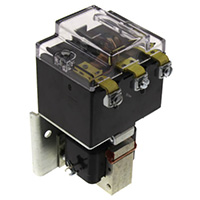
- Fan Relays: Fan relays turn a blower or condenser fan on and off based on a signal from a thermostat, control board, or temperature sensor. A worn fan relay is a common cause of a fan that runs constantly or will not start at all. Replacement units need to match the original's coil voltage and switching configuration to work with the rest of the control circuit.
Buying Guide
Selecting the right electrical control starts with identifying the failure, not just the part number stamped on the old component. A contactor with welded contacts, a relay that will not pull in, and a limit switch stuck open all look similar at a glance. Each calls for different diagnostic steps before ordering a replacement.
Voltage and amperage ratings are non-negotiable. A contactor or relay rated below the equipment's actual load will overheat and fail quickly, while a mismatched coil voltage means the part will not pull in at all. Matching the original part's voltage and amperage ratings to the replacement catches most mismatches before they become a second truck roll.
Pole configuration is the next detail worth checking. Single-pole controls switch one circuit, while two- and three-pole versions handle multiple circuits simultaneously, which matters on three-phase compressors and larger commercial units. Installing a control with the wrong pole count either leaves a circuit unswitched or forces an awkward wiring workaround.
Electrical controls also vary by mounting style and physical footprint, which matters when space inside a control panel or junction box is tight. A relay or sensor that does not fit the existing enclosure adds labor time for a job that should be straightforward.
Stocking common contactors, relays, and switches by voltage and amperage range, rather than by brand alone, covers more service calls with fewer SKUs. Many controls are functionally interchangeable across equipment brands once the electrical specs line up, which gives a shop more flexibility when the exact OEM part is not available.
Frequently Asked Questions
What's the difference between a contactor and a relay?
Contactors are built to switch higher-voltage, higher-amperage loads like compressors and condenser fans, while relays typically handle lower-power switching duties inside a control circuit. Both work on the same basic principle: a low-voltage coil pulls in a set of contacts. Contactors are physically larger and rated for more switching cycles at higher current.
How do I know if a limit switch is bad?
A limit switch that will not reset, stays open when temperature or pressure returns to normal, or shows visible arcing on the contacts usually needs to be replaced. Testing continuity across the switch with a multimeter at both the tripped and reset positions confirms whether it is functioning. If the equipment cycles on the safety limit repeatedly, check the underlying airflow or pressure issue before blaming the switch alone.
Can I substitute a universal relay for an OEM part?
A universal relay works in most cases as long as the coil voltage, pole configuration, and contact rating match the original. Physical mounting and terminal layout are worth checking too, since some universal parts need a wiring adapter to fit the existing harness. Confirming those specs before installing avoids a callback.
What causes a current sensor to give a false reading?
Loose mounting around the conductor, incorrect polarity, or a sensor rated for the wrong current range are the most common causes of a false reading. Vibration over time can also shift a clamp-style sensor out of position. Reseating the sensor and confirming its rated range against the actual load usually resolves the issue.
Do electrical controls need to match the equipment brand?
Not always. Many contactors, relays, and switches are built to the same industry-standard voltage and amperage specifications regardless of the equipment brand they are installed on. Matching the electrical specs, pole count, and physical mounting matters more than sourcing a control from the original equipment manufacturer.
Resources
Subcategories
- Contactors: Contactors switch high-voltage power to compressors, condenser fans, and other heavy loads using a low-voltage control signal. They are built to handle frequent on/off cycling without the contacts welding shut or burning out early. Pole count, coil voltage, and amp rating all need to match the original part before installing a replacement.
- Current Sensors: Current sensors monitor amperage draw on a motor or circuit and signal a control board or relay when readings fall outside a set range. Contractors use them to detect belt slippage, a failing motor, or airflow restriction without opening up ductwork. Many mount directly around an existing conductor, so no rewiring is required.
- Current Transformers: Current transformers step down high current readings to a manageable signal that a meter, sensor, or control board can read safely. They show up in commercial electrical panels and HVAC control cabinets where technicians need an accurate read on load without touching live power conductors. Ratio and mounting style both need to match the panel design.
- Electrical Limit Switches: Limit switches shut equipment down when a temperature, pressure, or position moves past a safe operating point, protecting a furnace, boiler, or blower from running outside its design range. They are a common failure point on older equipment because they cycle every time the system reaches its limit. Replacing a stuck or worn switch is often faster than troubleshooting a full control board.
- Electrical Switching Relays: Switching relays use a low-voltage signal to control a separate high-voltage circuit. This lets a thermostat or control board operate a fan, pump, or compressor without carrying the full load itself. They come in single-pole and multi-pole configurations depending on how many circuits need to switch at once. Coil voltage and contact rating are the two specs to check before swapping one in.
- Fan Relays: Fan relays turn a blower or condenser fan on and off based on a signal from a thermostat, control board, or temperature sensor. A worn fan relay is a common cause of a fan that runs constantly or will not start at all. Replacement units need to match the original's coil voltage and switching configuration to work with the rest of the control circuit.
Buying Guide
Selecting the right electrical control starts with identifying the failure, not just the part number stamped on the old component. A contactor with welded contacts, a relay that will not pull in, and a limit switch stuck open all look similar at a glance. Each calls for different diagnostic steps before ordering a replacement.
Voltage and amperage ratings are non-negotiable. A contactor or relay rated below the equipment's actual load will overheat and fail quickly, while a mismatched coil voltage means the part will not pull in at all. Matching the original part's voltage and amperage ratings to the replacement catches most mismatches before they become a second truck roll.
Pole configuration is the next detail worth checking. Single-pole controls switch one circuit, while two- and three-pole versions handle multiple circuits simultaneously, which matters on three-phase compressors and larger commercial units. Installing a control with the wrong pole count either leaves a circuit unswitched or forces an awkward wiring workaround.
Electrical controls also vary by mounting style and physical footprint, which matters when space inside a control panel or junction box is tight. A relay or sensor that does not fit the existing enclosure adds labor time for a job that should be straightforward.
Stocking common contactors, relays, and switches by voltage and amperage range, rather than by brand alone, covers more service calls with fewer SKUs. Many controls are functionally interchangeable across equipment brands once the electrical specs line up, which gives a shop more flexibility when the exact OEM part is not available.
Frequently Asked Questions
What's the difference between a contactor and a relay?
Contactors are built to switch higher-voltage, higher-amperage loads like compressors and condenser fans, while relays typically handle lower-power switching duties inside a control circuit. Both work on the same basic principle: a low-voltage coil pulls in a set of contacts. Contactors are physically larger and rated for more switching cycles at higher current.
How do I know if a limit switch is bad?
A limit switch that will not reset, stays open when temperature or pressure returns to normal, or shows visible arcing on the contacts usually needs to be replaced. Testing continuity across the switch with a multimeter at both the tripped and reset positions confirms whether it is functioning. If the equipment cycles on the safety limit repeatedly, check the underlying airflow or pressure issue before blaming the switch alone.
Can I substitute a universal relay for an OEM part?
A universal relay works in most cases as long as the coil voltage, pole configuration, and contact rating match the original. Physical mounting and terminal layout are worth checking too, since some universal parts need a wiring adapter to fit the existing harness. Confirming those specs before installing avoids a callback.
What causes a current sensor to give a false reading?
Loose mounting around the conductor, incorrect polarity, or a sensor rated for the wrong current range are the most common causes of a false reading. Vibration over time can also shift a clamp-style sensor out of position. Reseating the sensor and confirming its rated range against the actual load usually resolves the issue.
Do electrical controls need to match the equipment brand?
Not always. Many contactors, relays, and switches are built to the same industry-standard voltage and amperage specifications regardless of the equipment brand they are installed on. Matching the electrical specs, pole count, and physical mounting matters more than sourcing a control from the original equipment manufacturer.