




Filters
SORT
Product Availability –
Length (Inches) –
Width (Inches) –
Used With –
Review Score –
 --%3E %3Csvg version='1.1' id='Fill' xmlns='http://www.w3.org/2000/svg' xmlns:xlink='http://www.w3.org/1999/xlink' x='0px' y='0px' viewBox='0 0 100 100' enable-background='new 0 0 100 100' xml:space='preserve'%3E %3Cpath fill='%23F15C02' d='M79.44,0.95H20.56C9.78,0.95,0.95,9.78,0.95,20.56v58.87c0,10.79,8.82,19.61,19.61,19.61h58.87 c10.79,0,19.61-8.83,19.61-19.61V20.56C99.05,9.78,90.22,0.95,79.44,0.95z M65.38,58.24l9.38,29.58L49.69,69.78L24.5,87.82 l9.34-29.6L8.8,39.6l30.73-0.17c0,0,6.98-19.61,10-28.93c0.54,1.36,9.88,29.1,9.88,29.1H91.2L65.38,58.24z'/%3E %3C/svg%3E)
 --%3E %3Csvg version='1.1' id='With-RB' xmlns='http://www.w3.org/2000/svg' xmlns:xlink='http://www.w3.org/1999/xlink' x='0px' y='0px' viewBox='0 0 100 100' enable-background='new 0 0 100 100' xml:space='preserve'%3E %3Cpath fill='%23FBC8B4' d='M79.44,0.95H20.56C9.78,0.95,0.95,9.78,0.95,20.56v58.87c0,10.79,8.82,19.61,19.61,19.61h58.87 c10.79,0,19.61-8.83,19.61-19.61V20.56C99.05,9.78,90.22,0.95,79.44,0.95z M65.38,58.24l9.38,29.58L49.69,69.78L24.5,87.82 l9.34-29.6L8.8,39.6l30.73-0.17c0,0,6.98-19.61,10-28.93c0.54,1.36,9.88,29.1,9.88,29.1H91.2L65.38,58.24z'/%3E %3C/svg%3E)
Price Range –
Fantech Replacement Filters


 --%3E %3Csvg version='1.1' id='Half' xmlns='http://www.w3.org/2000/svg' xmlns:xlink='http://www.w3.org/1999/xlink' x='0px' y='0px' viewBox='0 0 100 100' enable-background='new 0 0 100 100' xml:space='preserve'%3E %3Cg%3E %3Cpath fill='%23F15C02' d='M30.05,70.23l3.79-12.01L8.8,39.6l30.73-0.17c0,0,6.98-19.61,10-28.93c0.54,1.36,9.88,29.1,9.88,29.1h1.58 L93.71,7.18c-3.58-3.82-8.66-6.23-14.28-6.23H20.56C9.78,0.95,0.95,9.78,0.95,20.56v58.87c0,5.41,2.22,10.32,5.79,13.88 L30.05,70.23z'/%3E %3C/g%3E %3Cpath fill='%23FBC8B4' d='M93.71,7.18L60.98,39.6H91.2L65.38,58.24l9.38,29.58L49.69,69.78L24.5,87.82l5.55-17.59L6.75,93.32 c3.55,3.54,8.44,5.73,13.82,5.73h58.87c10.79,0,19.61-8.83,19.61-19.61V20.56C99.05,15.4,97.01,10.69,93.71,7.18z'/%3E %3C/svg%3E)



 --%3E %3Csvg version='1.1' id='No-RB' xmlns='http://www.w3.org/2000/svg' xmlns:xlink='http://www.w3.org/1999/xlink' x='0px' y='0px' viewBox='0 0 100 100' enable-background='new 0 0 100 100' xml:space='preserve'%3E %3Cpath fill='%23CECECE' d='M79.44,0.95H20.56C9.78,0.95,0.95,9.78,0.95,20.56v58.87c0,10.79,8.82,19.61,19.61,19.61h58.87 c10.79,0,19.61-8.83,19.61-19.61V20.56C99.05,9.78,90.22,0.95,79.44,0.95z M65.38,58.24l9.38,29.58L49.69,69.78L24.5,87.82 l9.34-29.6L8.8,39.6l30.73-0.17c0,0,6.98-19.61,10-28.93c0.54,1.36,9.88,29.1,9.88,29.1H91.2L65.38,58.24z'/%3E %3C/svg%3E)


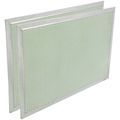


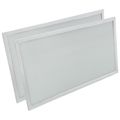

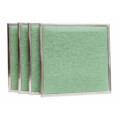


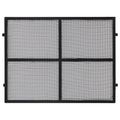
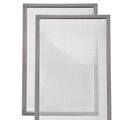


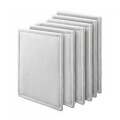
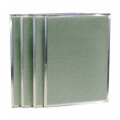
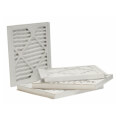
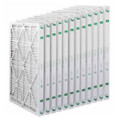
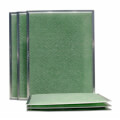
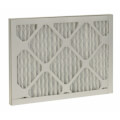
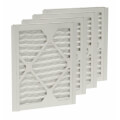
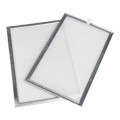
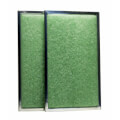
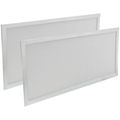
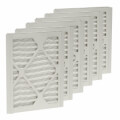


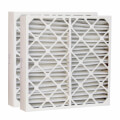

Fantech replacement filters trap dust, debris, and airborne particles before air passes through a Fantech ventilation fan or heat recovery unit, protecting the motor and internal components from buildup that can reduce airflow over time. These filters sit in a designated slot or housing on the unit and need periodic replacement as they load up with captured particulate. Contractors and building owners replace them on a schedule rather than waiting for a visible airflow drop, since a clogged filter forces the fan motor to work harder and can shorten its service life. Matching the filter size and type to the specific Fantech model keeps the seal tight within the housing, which matters for units that rely on filtered air to protect sensitive heat exchange cores. Because ventilation units run continuously in many installations, keeping a stock of the correct replacement filter on hand helps facilities and contractors keep up with a regular replacement schedule without waiting on a special order.
Subcategories
- Pleated Panel Filters: Pleated panel filters are the standard replacement for most Fantech ventilation and heat recovery units, offering a larger surface area than a flat filter for the same footprint, which extends the interval between changes. These fit into a slide out housing on the unit and are typically replaced rather than cleaned. Contractors servicing multiple units benefit from stocking the common sizes used across a building's Fantech equipment, since panel dimensions vary by model. A dirty pleated filter left in place too long is one of the more common reasons a heat recovery unit loses efficiency over time.
- HEPA Replacement Filters: HEPA replacement filters trap a much finer range of particulate than a standard pleated filter, making them the choice for installations where indoor air quality requirements call for capturing smaller airborne particles. These filters typically cost more and need to be sized and rated correctly for the specific Fantech unit, since a HEPA filter also creates more resistance to airflow than a standard filter. Units originally speced with HEPA filtration should be kept on that same filter type rather than substituted with a lower rated panel filter, which can leave the system underperforming against its original design intent.
- Washable Filters: Washable filters are built to be removed, cleaned, and reinstalled rather than replaced outright, which suits installations where reducing ongoing filter costs matters more than the convenience of a disposable filter. Cleaning on a regular schedule is necessary to keep these performing close to their rated efficiency, since a washable filter that's gone too long between cleanings loses much of its advantage over a disposable option. Contractors setting up a washable filter program with a building owner typically document a cleaning interval based on the unit's runtime and the environment it's operating in.
- Carbon Replacement Filters: Carbon replacement filters add odor and light chemical vapor capture on top of standard particulate filtration, and they see use in Fantech installations serving spaces where odor control matters, such as near cooking exhaust paths or in commercial kitchens with connected ventilation. These filters have a shorter effective life than a standard pleated filter once the carbon media becomes saturated, so a more frequent replacement schedule is typical. Confirming the carbon filter fits the same housing as the standard filter it's replacing keeps the swap straightforward during a routine service visit.
Buying Guide
Ordering the correct Fantech replacement filter starts with confirming the exact model of ventilation or heat recovery unit installed, since filter dimensions and mounting configurations vary across the Fantech lineup and a close but incorrect size won't seal properly in the housing. For most standard installations, a pleated panel filter matched to the unit's original specification is the right choice and offers a reasonable balance between cost and service interval. Installations with specific indoor air quality requirements may call for a HEPA filter instead, and units originally speced with HEPA filtration should stay on that filter type rather than being downgraded to a standard panel filter, which can leave the system performing below its intended level. Facilities looking to reduce ongoing filter costs can consider a washable filter where the unit supports one, though this requires committing to a regular cleaning schedule to keep performance from dropping off between cleanings. Spaces where odor control matters, such as near kitchen exhaust paths, may benefit from a carbon filter, with the tradeoff of a shorter service life once the carbon media saturates. Whatever filter type is in use, replacing or cleaning on a set schedule based on the unit's runtime, rather than waiting for a visible drop in airflow, keeps the fan motor from working harder than necessary and protects the unit's service life.
Frequently Asked Questions
How often should a Fantech replacement filter be changed?
Replacing on a set schedule based on the unit's runtime and environment, rather than waiting for a visible drop in airflow, keeps the fan motor from working harder than it needs to and protects its service life.
Can a HEPA filter be swapped for a standard pleated filter?
Units originally speced with HEPA filtration should stay on that filter type, since downgrading to a standard panel filter can leave the system performing below the level it was designed for.
Are washable filters a good substitute for disposable ones?
Washable filters can work well where the unit supports them, but they need a regular cleaning schedule to maintain their rated efficiency, since a washable filter left too long between cleanings loses much of its advantage.
When does a carbon filter make sense over a standard filter?
Spaces where odor control matters, such as near kitchen exhaust paths, benefit from the added odor and chemical vapor capture a carbon filter provides, though it typically needs more frequent replacement once the carbon media saturates.
What happens if the wrong filter size is installed?
A filter that's close but not an exact match for the unit's housing won't seal properly, which lets unfiltered air bypass the filter media and reduces the protection it's meant to provide for the motor and internal components.
