




Filters
SORT
Product Availability –
Brand –
Product Type –
Review Score –
 --%3E %3Csvg version='1.1' id='Fill' xmlns='http://www.w3.org/2000/svg' xmlns:xlink='http://www.w3.org/1999/xlink' x='0px' y='0px' viewBox='0 0 100 100' enable-background='new 0 0 100 100' xml:space='preserve'%3E %3Cpath fill='%23F15C02' d='M79.44,0.95H20.56C9.78,0.95,0.95,9.78,0.95,20.56v58.87c0,10.79,8.82,19.61,19.61,19.61h58.87 c10.79,0,19.61-8.83,19.61-19.61V20.56C99.05,9.78,90.22,0.95,79.44,0.95z M65.38,58.24l9.38,29.58L49.69,69.78L24.5,87.82 l9.34-29.6L8.8,39.6l30.73-0.17c0,0,6.98-19.61,10-28.93c0.54,1.36,9.88,29.1,9.88,29.1H91.2L65.38,58.24z'/%3E %3C/svg%3E)
 --%3E %3Csvg version='1.1' id='With-RB' xmlns='http://www.w3.org/2000/svg' xmlns:xlink='http://www.w3.org/1999/xlink' x='0px' y='0px' viewBox='0 0 100 100' enable-background='new 0 0 100 100' xml:space='preserve'%3E %3Cpath fill='%23FBC8B4' d='M79.44,0.95H20.56C9.78,0.95,0.95,9.78,0.95,20.56v58.87c0,10.79,8.82,19.61,19.61,19.61h58.87 c10.79,0,19.61-8.83,19.61-19.61V20.56C99.05,9.78,90.22,0.95,79.44,0.95z M65.38,58.24l9.38,29.58L49.69,69.78L24.5,87.82 l9.34-29.6L8.8,39.6l30.73-0.17c0,0,6.98-19.61,10-28.93c0.54,1.36,9.88,29.1,9.88,29.1H91.2L65.38,58.24z'/%3E %3C/svg%3E)
Price Range –
Instrument Cases



 --%3E %3Csvg version='1.1' id='No-RB' xmlns='http://www.w3.org/2000/svg' xmlns:xlink='http://www.w3.org/1999/xlink' x='0px' y='0px' viewBox='0 0 100 100' enable-background='new 0 0 100 100' xml:space='preserve'%3E %3Cpath fill='%23CECECE' d='M79.44,0.95H20.56C9.78,0.95,0.95,9.78,0.95,20.56v58.87c0,10.79,8.82,19.61,19.61,19.61h58.87 c10.79,0,19.61-8.83,19.61-19.61V20.56C99.05,9.78,90.22,0.95,79.44,0.95z M65.38,58.24l9.38,29.58L49.69,69.78L24.5,87.82 l9.34-29.6L8.8,39.6l30.73-0.17c0,0,6.98-19.61,10-28.93c0.54,1.36,9.88,29.1,9.88,29.1H91.2L65.38,58.24z'/%3E %3C/svg%3E)
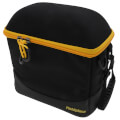

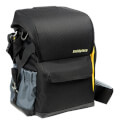



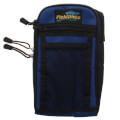
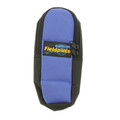
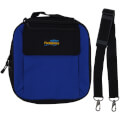
Instrument cases are padded carrying cases built to protect a technician's test instruments, such as manometers, combustion analyzers, and multimeters, during transport between job sites. A fitted interior holds the instrument and its accessories, like probes, leads, and hoses, in dedicated compartments so they don't shift or knock against each other in the back of a service vehicle. Cases in this category are shaped to match specific instrument models rather than being generic pouches, which keeps a snug fit that reduces wear on connectors and display screens over daily use. Many technicians treat a proper case as part of protecting the investment in a diagnostic tool, since a dropped or scratched instrument can mean an inaccurate reading on a service call. Choosing a case built for the specific instrument model on hand, rather than a universal case, is what keeps that tool ready to use call after call.
Subcategories
- Manometer Cases: These cases hold a manometer along with its hoses and tips in a fitted layout, keeping delicate pressure ports protected from impact during transport. Technicians who check gas pressure or static pressure daily rely on a dedicated case to keep hoses untangled and ready to grab. The fitted compartments also make it faster to spot a missing accessory before heading to a job.
- Combustion Analyzer Cases: A combustion analyzer case protects the probe, sensor housing, and printer or display from the drops and jostling that come with regular use in mechanical rooms and attics. Because combustion analyzer sensors are sensitive components, technicians who service gas appliances often treat the case as essential rather than optional. Compartments sized for the probe keep it from bending during transport.
- Multimeter and Clamp Meter Cases: These cases hold a multimeter or clamp meter along with test leads, alligator clips, and spare batteries in one compact carrier. Electricians and HVAC technicians who carry a meter daily use these cases to keep leads from tangling with other tools in a bag or pouch. A hard-shell option adds extra protection for a meter that rides in a truck bed or tool bag.
Buying Guide
Fit is the first thing to check when buying an instrument case. A case built for the exact instrument model holds it snugly enough to prevent shifting in transit, while a generic or oversized case lets the tool bounce around and take on more wear than it should.
Instrument Cases in this category range from soft padded pouches to hard-shell carriers, and the right choice depends on how the tool travels day to day. A technician who carries an instrument in a service van most of the time may only need a padded soft case, while one who works from a truck bed or off a ladder benefits from a hard shell that resists crushing.
Compartment layout matters as much as the outer shell. A case with dedicated slots for hoses, probes, and leads keeps accessories organized and makes it quicker to confirm nothing was left behind at the last job.
Closure type affects how well a case keeps out dust and moisture between uses. Zippered cases are common for lighter-duty use, while latch-style hard cases offer a more secure seal for a tool that needs extra protection.
Buying a case at the same time as the instrument, rather than searching for a fit afterward, is the most reliable way to confirm the compartments match the tool's exact dimensions and accessory set.
Frequently Asked Questions
Do instrument cases fit any brand of meter or analyzer?
Most cases in this category are shaped for a specific instrument model rather than built as universal carriers. Checking the case listing against the exact instrument model on hand is the best way to confirm a proper fit before buying.
Is a hard-shell case necessary for a combustion analyzer?
A hard-shell case adds extra protection for technicians who work in tight mechanical rooms, attics, or crawlspaces where the case is more likely to be set down on rough surfaces or bumped. A soft padded case can be enough for a technician who mainly transports the tool in a service van.
What accessories can fit inside a manometer case along with the tool?
A well-designed manometer case includes compartments for hoses, pressure tips, and sometimes a spare battery, keeping the full test kit together in one carrier instead of scattered across a tool bag.
How does a fitted case help protect a test instrument?
A fitted case holds the instrument snugly so it doesn't shift or knock against hard surfaces during transport, which reduces wear on connectors, screens, and probes compared to carrying the tool loose in a bag.
Can a case be bought separately after purchasing the instrument?
Yes, cases for manometers, combustion analyzers, and multimeters are typically sold separately from the instrument itself, so a technician can add or replace a case at any time as long as it matches the instrument model.
