




Filters
SORT
Product Availability –
Review Score –
 --%3E %3Csvg version='1.1' id='Fill' xmlns='http://www.w3.org/2000/svg' xmlns:xlink='http://www.w3.org/1999/xlink' x='0px' y='0px' viewBox='0 0 100 100' enable-background='new 0 0 100 100' xml:space='preserve'%3E %3Cpath fill='%23F15C02' d='M79.44,0.95H20.56C9.78,0.95,0.95,9.78,0.95,20.56v58.87c0,10.79,8.82,19.61,19.61,19.61h58.87 c10.79,0,19.61-8.83,19.61-19.61V20.56C99.05,9.78,90.22,0.95,79.44,0.95z M65.38,58.24l9.38,29.58L49.69,69.78L24.5,87.82 l9.34-29.6L8.8,39.6l30.73-0.17c0,0,6.98-19.61,10-28.93c0.54,1.36,9.88,29.1,9.88,29.1H91.2L65.38,58.24z'/%3E %3C/svg%3E)
 --%3E %3Csvg version='1.1' id='With-RB' xmlns='http://www.w3.org/2000/svg' xmlns:xlink='http://www.w3.org/1999/xlink' x='0px' y='0px' viewBox='0 0 100 100' enable-background='new 0 0 100 100' xml:space='preserve'%3E %3Cpath fill='%23FBC8B4' d='M79.44,0.95H20.56C9.78,0.95,0.95,9.78,0.95,20.56v58.87c0,10.79,8.82,19.61,19.61,19.61h58.87 c10.79,0,19.61-8.83,19.61-19.61V20.56C99.05,9.78,90.22,0.95,79.44,0.95z M65.38,58.24l9.38,29.58L49.69,69.78L24.5,87.82 l9.34-29.6L8.8,39.6l30.73-0.17c0,0,6.98-19.61,10-28.93c0.54,1.36,9.88,29.1,9.88,29.1H91.2L65.38,58.24z'/%3E %3C/svg%3E)
Price Range –
Miscellaneous Parts & Replacements



 --%3E %3Csvg version='1.1' id='Half' xmlns='http://www.w3.org/2000/svg' xmlns:xlink='http://www.w3.org/1999/xlink' x='0px' y='0px' viewBox='0 0 100 100' enable-background='new 0 0 100 100' xml:space='preserve'%3E %3Cg%3E %3Cpath fill='%23F15C02' d='M30.05,70.23l3.79-12.01L8.8,39.6l30.73-0.17c0,0,6.98-19.61,10-28.93c0.54,1.36,9.88,29.1,9.88,29.1h1.58 L93.71,7.18c-3.58-3.82-8.66-6.23-14.28-6.23H20.56C9.78,0.95,0.95,9.78,0.95,20.56v58.87c0,5.41,2.22,10.32,5.79,13.88 L30.05,70.23z'/%3E %3C/g%3E %3Cpath fill='%23FBC8B4' d='M93.71,7.18L60.98,39.6H91.2L65.38,58.24l9.38,29.58L49.69,69.78L24.5,87.82l5.55-17.59L6.75,93.32 c3.55,3.54,8.44,5.73,13.82,5.73h58.87c10.79,0,19.61-8.83,19.61-19.61V20.56C99.05,15.4,97.01,10.69,93.71,7.18z'/%3E %3C/svg%3E)

 --%3E %3Csvg version='1.1' id='No-RB' xmlns='http://www.w3.org/2000/svg' xmlns:xlink='http://www.w3.org/1999/xlink' x='0px' y='0px' viewBox='0 0 100 100' enable-background='new 0 0 100 100' xml:space='preserve'%3E %3Cpath fill='%23CECECE' d='M79.44,0.95H20.56C9.78,0.95,0.95,9.78,0.95,20.56v58.87c0,10.79,8.82,19.61,19.61,19.61h58.87 c10.79,0,19.61-8.83,19.61-19.61V20.56C99.05,9.78,90.22,0.95,79.44,0.95z M65.38,58.24l9.38,29.58L49.69,69.78L24.5,87.82 l9.34-29.6L8.8,39.6l30.73-0.17c0,0,6.98-19.61,10-28.93c0.54,1.36,9.88,29.1,9.88,29.1H91.2L65.38,58.24z'/%3E %3C/svg%3E)



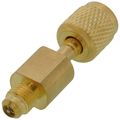
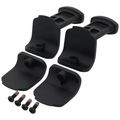
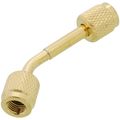
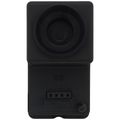
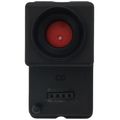

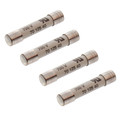
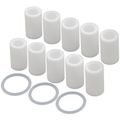
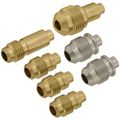
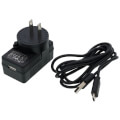
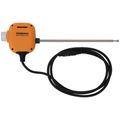
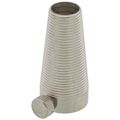
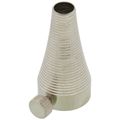
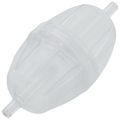


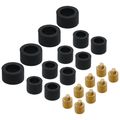
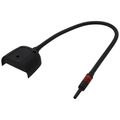
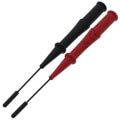
Fieldpiece miscellaneous parts and replacements cover the smaller accessory and wear components that keep Fieldpiece test instruments, such as digital multimeters, manifold gauges, and clamp meters, functioning accurately in daily HVAC service work. This category includes items like replacement test leads, probes, holsters, batteries, and protective boots, none of which are the main instrument itself but all of which affect whether that instrument performs reliably in the field. Technicians typically replace these parts as normal wear items rather than signs of instrument failure, since test leads and probes see frequent physical stress and connector wear that a full replacement instrument would not otherwise require. Keeping a stock of common wear parts on hand for frequently used meters reduces downtime when a lead or probe fails mid-job.
Subcategories
- Replacement Test Leads and Probes: Test leads and probes are the components that make direct electrical contact during a measurement, and they see the most physical wear of any part in a technician's kit through repeated flexing, connector insertion, and general field use. A cracked lead insulation or a probe tip with a loose connection can introduce measurement error well before the meter itself shows any sign of a problem. Replacing leads proactively when insulation shows wear, rather than waiting for a visible failure, helps maintain reading accuracy. Matching lead and probe type to the specific meter model ensures a proper connector fit.
- Batteries and Power Accessories: Fieldpiece meters rely on batteries or accessory power components to operate, and keeping spares on hand avoids a mid-job instrument shutdown at an inconvenient point in a diagnostic sequence. Battery type and compartment design vary across the Fieldpiece instrument lineup, so confirming compatibility with the specific meter model before ordering matters. Some accessories in this category also cover charging components for rechargeable instrument models. Technicians working full service schedules often keep backup batteries in their kit as standard practice.
- Protective Cases, Holsters, and Boots: Protective holsters and rubber boots shield an instrument's housing and screen from drops and general jobsite wear, extending the usable life of the meter itself even though these accessories do not affect the instrument's measurement function directly. Replacing a cracked or worn boot after a drop is a low-cost way to protect the underlying instrument from further damage. Cases suited to a technician's specific truck or bag setup also help keep test leads and probes organized between jobs. These accessories are typically sold separately from the instrument for this reason.
Buying Guide
Confirming compatibility with the specific Fieldpiece instrument model is the starting point for any replacement part in this category, since connector types, lead specifications, and battery compartments vary across the manufacturer's meter and clamp lineup. A part that looks generic, such as a standard banana-plug test lead, may still not match the exact connector spacing or rating a specific meter requires.
Deciding whether to replace a part proactively or wait for visible failure depends on how the instrument is used day to day. Test leads and probes in particular see enough physical stress in regular field use that waiting for an obvious failure risks a bad measurement going unnoticed before the technician realizes the lead itself is the problem, rather than the system being diagnosed.
For technicians running a full daily service schedule, keeping a small stock of the most frequently worn parts, generally test leads, probes, and batteries, on hand avoids a mid-job delay when one of these components fails unexpectedly. Less frequently worn accessories like protective boots and cases can typically be replaced on an as-needed basis rather than kept in inventory.
Battery and charging accessory compatibility is worth double-checking against the exact meter model before ordering, since compartment design and power requirements are not always uniform across the full Fieldpiece lineup even between similar-looking instruments. Confirming this detail before purchase avoids receiving a part that does not fit the meter it was intended for.
Frequently Asked Questions
How often should test leads on a Fieldpiece meter be replaced?
There is no fixed schedule, but test leads should be inspected regularly for cracked insulation or a loose connector fit, since these are the parts most exposed to physical wear in daily field use. Replacing a lead proactively when wear is visible, rather than waiting for an outright failure, helps avoid a measurement error going unnoticed on the job. Technicians using their meters daily typically replace leads more often than occasional users.
Are Fieldpiece replacement parts interchangeable across different meter models?
Not always. Connector types, lead specifications, and battery compartments can vary across the Fieldpiece instrument lineup, so a part that fits one meter model may not fit another even if the meters look similar. Confirming compatibility against the specific instrument model before ordering is the reliable way to avoid a mismatch.
What is the most commonly replaced Fieldpiece accessory?
Test leads and probes tend to be the most frequently replaced items, since they see the most direct physical wear through repeated use, flexing, and connector insertion compared to other accessories like holsters or batteries. Technicians running a heavy service schedule typically go through leads faster than any other wear component.
Does a worn protective boot or holster affect the instrument's accuracy?
No, these accessories protect the instrument's housing and screen from physical damage but do not affect the meter's measurement function directly. Replacing a cracked or worn boot is still worthwhile to protect the underlying instrument from further damage after a drop or general wear, even though it will not resolve an accuracy issue on its own.
Should batteries be kept in stock for field service work?
Keeping spare batteries on hand is common practice among technicians running a full daily schedule, since a mid-job instrument shutdown due to a dead battery can delay a diagnostic sequence at an inconvenient point. Confirming the correct battery type for the specific meter model before stocking spares avoids buying the wrong part.
