



General Pipe Cleaners Replacement Parts

 --%3E %3Csvg version='1.1' id='Fill' xmlns='http://www.w3.org/2000/svg' xmlns:xlink='http://www.w3.org/1999/xlink' x='0px' y='0px' viewBox='0 0 100 100' enable-background='new 0 0 100 100' xml:space='preserve'%3E %3Cpath fill='%23F15C02' d='M79.44,0.95H20.56C9.78,0.95,0.95,9.78,0.95,20.56v58.87c0,10.79,8.82,19.61,19.61,19.61h58.87 c10.79,0,19.61-8.83,19.61-19.61V20.56C99.05,9.78,90.22,0.95,79.44,0.95z M65.38,58.24l9.38,29.58L49.69,69.78L24.5,87.82 l9.34-29.6L8.8,39.6l30.73-0.17c0,0,6.98-19.61,10-28.93c0.54,1.36,9.88,29.1,9.88,29.1H91.2L65.38,58.24z'/%3E %3C/svg%3E)


 --%3E %3Csvg version='1.1' id='No-RB' xmlns='http://www.w3.org/2000/svg' xmlns:xlink='http://www.w3.org/1999/xlink' x='0px' y='0px' viewBox='0 0 100 100' enable-background='new 0 0 100 100' xml:space='preserve'%3E %3Cpath fill='%23CECECE' d='M79.44,0.95H20.56C9.78,0.95,0.95,9.78,0.95,20.56v58.87c0,10.79,8.82,19.61,19.61,19.61h58.87 c10.79,0,19.61-8.83,19.61-19.61V20.56C99.05,9.78,90.22,0.95,79.44,0.95z M65.38,58.24l9.38,29.58L49.69,69.78L24.5,87.82 l9.34-29.6L8.8,39.6l30.73-0.17c0,0,6.98-19.61,10-28.93c0.54,1.36,9.88,29.1,9.88,29.1H91.2L65.38,58.24z'/%3E %3C/svg%3E)

 --%3E %3Csvg version='1.1' id='With-RB' xmlns='http://www.w3.org/2000/svg' xmlns:xlink='http://www.w3.org/1999/xlink' x='0px' y='0px' viewBox='0 0 100 100' enable-background='new 0 0 100 100' xml:space='preserve'%3E %3Cpath fill='%23FBC8B4' d='M79.44,0.95H20.56C9.78,0.95,0.95,9.78,0.95,20.56v58.87c0,10.79,8.82,19.61,19.61,19.61h58.87 c10.79,0,19.61-8.83,19.61-19.61V20.56C99.05,9.78,90.22,0.95,79.44,0.95z M65.38,58.24l9.38,29.58L49.69,69.78L24.5,87.82 l9.34-29.6L8.8,39.6l30.73-0.17c0,0,6.98-19.61,10-28.93c0.54,1.36,9.88,29.1,9.88,29.1H91.2L65.38,58.24z'/%3E %3C/svg%3E)

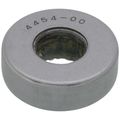
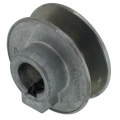
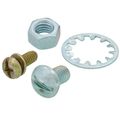
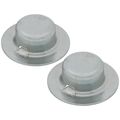
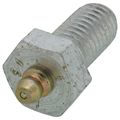
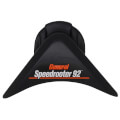

General Pipe Cleaners replacement parts keep drain cleaning machines, water jetters, and sewer inspection equipment from General Wire Spring running long after the original components wear down. The company has built drain cleaning equipment since 1930, and replacement cables, parts, and accessories now cover machines like the Speedrooter XL, Mini-Rooter Pro, and Flexicore cable systems. Cables take the most wear of any component, since they flex and rotate through pipe after pipe on every job, making cable replacement the most common repair across the product line. Water jetter parts, including hoses and nozzles, and sewer camera components round out the parts lineup for shops running a full range of General equipment. Keeping a stock of common wear parts on hand, rather than waiting for a breakdown mid-job, keeps a drain cleaning crew from losing a day to equipment downtime.
Subcategories
- Drain Cleaning Cables: Flexicore cable and other General drain cleaning cables take more wear than any other component on a drain machine, flexing and rotating through pipe after pipe on every call. A cable that kinks, frays, or loses its coil shape needs replacement before it snaps inside a line, which turns a routine job into a retrieval problem. Matching cable diameter and length to the specific machine model keeps the drum and feed mechanism working as designed.
- Machine Parts and Accessories: Machine parts cover the drums, motors, and feed controls on equipment like the Speedrooter XL and Mini-Rooter Pro, keeping the core machine running after cables and cutting heads are replaced. Crews running machines daily wear through feed cables and drum components faster than occasional users, so parts availability matters most for high-volume shops. Replacing worn machine components rather than the entire unit extends a machine's working life significantly.
- Water Jetter Parts: Water jetter parts include hoses, nozzles, and pump components for General's Jet-Set line of high-pressure water jetting equipment. Nozzles wear from the abrasive debris they clear from pipes, and a worn nozzle loses cutting pressure well before it fails outright, making routine nozzle replacement part of keeping a jetter at full pressure. Hoses see similar wear from repeated coiling and dragging through access points.
- Sewer Camera and Locator Parts: Gen-Eye sewer camera systems and Hot Spot pipe locators use cable, camera head, and battery components that wear down with regular inspection work. A camera head that loses picture clarity or a locator that reads inconsistently often points to a specific worn part rather than a failed unit overall. Keeping spare camera heads on hand avoids losing inspection days to a single damaged component.
Buying Guide
Sourcing General Pipe Cleaners Replacement Parts starts with identifying the exact machine model in use, since cables, drums, and motors are built to match specific equipment rather than fitting universally across the product line. A Speedrooter XL and a Mini-Rooter Pro use different cable diameters and drum configurations, so a part that looks similar on the shelf will not necessarily fit correctly.
Cable wear is worth checking on a regular schedule rather than waiting for a failure mid-job. A cable that has lost its coil shape, developed kinks, or shows fraying near the cutting head end is close to failing, and replacing it during scheduled maintenance avoids a snapped cable stuck inside a customer's line. Keeping at least one spare cable per active machine on the truck prevents a job from stalling entirely.
Water jetter and camera equipment parts follow a similar logic, with nozzles and camera heads wearing gradually rather than failing all at once. A shop running jetting or camera inspection work daily should track performance drop-off, like reduced jetting pressure or blurry camera images, as an early signal to order replacement parts before the equipment stops working reliably. Matching part numbers to the specific machine model, confirmed against the equipment's manual or nameplate, remains the most reliable way to avoid an ordering mistake.
Frequently Asked Questions
How often should a drain cleaning cable be replaced?
Cables should be checked regularly for kinks, fraying, or loss of coil shape rather than replaced on a fixed schedule. A cable showing any of these signs is close to failing and should be swapped before it snaps inside a line.
Are cables interchangeable between different General drain cleaning machines?
Cable diameter and drum configuration vary by machine model, so cables are not universally interchangeable. Confirming the exact machine model before ordering keeps the cable matched to the drum and feed mechanism.
What is a common early sign a water jetter nozzle needs replacing?
A drop in jetting pressure before the nozzle fails outright is the most common early warning sign. Nozzles wear gradually from the abrasive debris they clear from pipes, so pressure loss tends to show up before a complete failure.
Why would a Gen-Eye sewer camera show blurry images during an inspection?
A worn or damaged camera head is a common cause of reduced picture clarity, separate from any issue with the pipe being inspected. Keeping a spare camera head on hand avoids losing an inspection day to a single damaged component.
Is it worth keeping spare cables on hand for active drain machines?
Keeping at least one spare cable per active machine prevents a job from stalling if a cable fails mid-task. Cables see the most wear of any component on a drain machine, making them the most likely part to need an unplanned replacement.
