




Filters
SORT
Product Availability –
Category –
Used With –
Horse Power –
Max Flow (GPM) –
Voltage –
Max Head (Ft) –
Review Score –
 --%3E %3Csvg version='1.1' id='Fill' xmlns='http://www.w3.org/2000/svg' xmlns:xlink='http://www.w3.org/1999/xlink' x='0px' y='0px' viewBox='0 0 100 100' enable-background='new 0 0 100 100' xml:space='preserve'%3E %3Cpath fill='%23F15C02' d='M79.44,0.95H20.56C9.78,0.95,0.95,9.78,0.95,20.56v58.87c0,10.79,8.82,19.61,19.61,19.61h58.87 c10.79,0,19.61-8.83,19.61-19.61V20.56C99.05,9.78,90.22,0.95,79.44,0.95z M65.38,58.24l9.38,29.58L49.69,69.78L24.5,87.82 l9.34-29.6L8.8,39.6l30.73-0.17c0,0,6.98-19.61,10-28.93c0.54,1.36,9.88,29.1,9.88,29.1H91.2L65.38,58.24z'/%3E %3C/svg%3E)
 --%3E %3Csvg version='1.1' id='With-RB' xmlns='http://www.w3.org/2000/svg' xmlns:xlink='http://www.w3.org/1999/xlink' x='0px' y='0px' viewBox='0 0 100 100' enable-background='new 0 0 100 100' xml:space='preserve'%3E %3Cpath fill='%23FBC8B4' d='M79.44,0.95H20.56C9.78,0.95,0.95,9.78,0.95,20.56v58.87c0,10.79,8.82,19.61,19.61,19.61h58.87 c10.79,0,19.61-8.83,19.61-19.61V20.56C99.05,9.78,90.22,0.95,79.44,0.95z M65.38,58.24l9.38,29.58L49.69,69.78L24.5,87.82 l9.34-29.6L8.8,39.6l30.73-0.17c0,0,6.98-19.61,10-28.93c0.54,1.36,9.88,29.1,9.88,29.1H91.2L65.38,58.24z'/%3E %3C/svg%3E)
Price Range –
Grundfos Pumps

 --%3E %3Csvg version='1.1' id='No-RB' xmlns='http://www.w3.org/2000/svg' xmlns:xlink='http://www.w3.org/1999/xlink' x='0px' y='0px' viewBox='0 0 100 100' enable-background='new 0 0 100 100' xml:space='preserve'%3E %3Cpath fill='%23CECECE' d='M79.44,0.95H20.56C9.78,0.95,0.95,9.78,0.95,20.56v58.87c0,10.79,8.82,19.61,19.61,19.61h58.87 c10.79,0,19.61-8.83,19.61-19.61V20.56C99.05,9.78,90.22,0.95,79.44,0.95z M65.38,58.24l9.38,29.58L49.69,69.78L24.5,87.82 l9.34-29.6L8.8,39.6l30.73-0.17c0,0,6.98-19.61,10-28.93c0.54,1.36,9.88,29.1,9.88,29.1H91.2L65.38,58.24z'/%3E %3C/svg%3E)
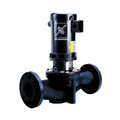
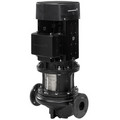
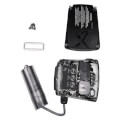
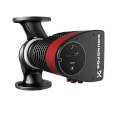
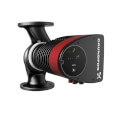
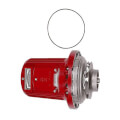

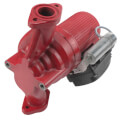
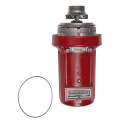

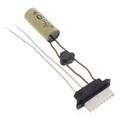
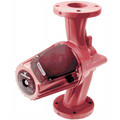
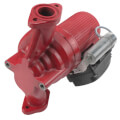
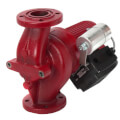

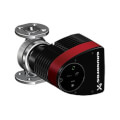
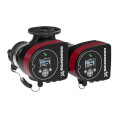

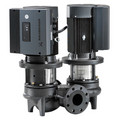
Grundfos pumps circulate hot water and hydronic fluid through residential and commercial heating systems, moving heat from a boiler to radiators, baseboard, or radiant floor loops. Grundfos is one of the most widely specified circulator pump manufacturers in the hydronic heating trade, and its products range from small wet-rotor circulators for single-zone residential systems to larger multi-stage pumps built for commercial hydronic loops and pressure boosting applications. Installers and service technicians turn to this category when replacing a failed circulator, upgrading an older system to a more efficient variable-speed model, or sourcing a pump sized for a new hydronic installation. Selecting the right pump means matching flow rate and head pressure to the system's piping length, radiator count, and zoning configuration, since an undersized pump won't deliver adequate heat to the far end of a loop while an oversized one wastes energy and can create excess noise.
Subcategories
- Wet Rotor Circulators: Wet rotor circulators are compact, single-piece pumps common on residential hydronic systems, where the fluid being pumped also lubricates the rotor bearings. Installers favor them for their simple installation and low maintenance needs on single-zone or small multi-zone systems. These pumps are typically sized by flow rate and head pressure to match a specific system's radiator or baseboard load.
- Variable Speed Circulators: Variable speed circulators adjust pump output automatically based on system demand, reducing energy use compared to a fixed-speed pump running constantly at full output. Contractors specify these on retrofit projects aiming to cut operating costs, as well as new installations where zoning creates variable flow demand throughout the day. Correct sizing still matters, since a variable speed pump operates within a specified performance range rather than compensating for a system that's fundamentally mis-sized.
- Pump Replacement Parts: Pump replacement parts cover the seals, cartridges, and control modules that let a technician service an existing Grundfos circulator rather than replacing the entire unit. A worn seal is a common source of a slow weep at the pump housing, while a failed control module on electronically controlled models can cause erratic or absent flow. Matching parts to the exact pump model and generation keeps the repair straightforward.
- Commercial and Booster Pumps: Commercial and booster pumps handle larger hydronic loops and pressure-boosting applications beyond the scope of a typical residential circulator. Mechanical contractors specify these on multi-family buildings, commercial heating plants, and water pressure boosting systems where flow and head requirements exceed what a wet rotor circulator can deliver. These pumps often require more detailed system calculations before selection.
Buying Guide
Start with the system's total head loss and required flow rate before selecting a pump, since Grundfos publishes performance curves showing exactly how each model performs across a range of flow and head combinations. Guessing at pump size based on the boiler's output alone, without accounting for the actual piping layout and radiator count, is one of the most common sizing mistakes in the trade.
Decide between a fixed-speed and variable-speed model based on the system's zoning and how much the flow demand changes throughout the day. When comparing Grundfos pumps for a retrofit job, replacing an aging fixed-speed circulator with a variable-speed model often pays for the price difference in reduced electricity use over a heating season, particularly on systems with multiple zones calling at different times.
Confirm flange or connection type matches the existing piping before ordering, since Grundfos pumps come in both flanged and threaded connection styles across different product lines. For repair situations, weigh the cost of a seal or cartridge kit against the cost of a full pump replacement, since older pumps nearing the end of their expected service life are sometimes better replaced outright than repeatedly repaired.
Frequently Asked Questions
How do I know what size Grundfos pump my system needs?
Sizing requires calculating the system's total head loss, based on pipe length, fittings, and elevation change, along with the required flow rate to heat the connected radiators or zones adequately. Grundfos publishes performance curves for its pump models that let a contractor match those numbers to a specific pump.
What's the difference between a wet rotor and a dry rotor pump?
A wet rotor pump has the pumped fluid in direct contact with the rotor, which lubricates the bearings and simplifies the design, while a dry rotor pump isolates the motor from the fluid with a mechanical seal. Wet rotor designs dominate residential hydronic applications for their simplicity and quiet operation.
Can a variable-speed pump fix a poorly balanced hydronic system?
A variable-speed pump can improve efficiency and reduce noise, but it can't correct fundamental piping or zoning design problems on its own. Balancing valves and proper zone design still play the primary role in even heat distribution.
How long do Grundfos circulator pumps typically last?
Service life depends on run time, water quality, and system conditions, but wet rotor circulators commonly run for many years before needing seal or cartridge service. Regular system maintenance, including keeping the system free of air and sediment, extends pump life.
What are signs a circulator pump needs replacing?
Reduced heat output at the far end of a loop, unusual noise from the pump housing, or a visible leak at the seal are all common signs of a failing circulator. A pump that runs but produces little or no flow may have a seized rotor or worn impeller.
