




Filters
SORT
Product Availability –
Review Score –
 --%3E %3Csvg version='1.1' id='Fill' xmlns='http://www.w3.org/2000/svg' xmlns:xlink='http://www.w3.org/1999/xlink' x='0px' y='0px' viewBox='0 0 100 100' enable-background='new 0 0 100 100' xml:space='preserve'%3E %3Cpath fill='%23F15C02' d='M79.44,0.95H20.56C9.78,0.95,0.95,9.78,0.95,20.56v58.87c0,10.79,8.82,19.61,19.61,19.61h58.87 c10.79,0,19.61-8.83,19.61-19.61V20.56C99.05,9.78,90.22,0.95,79.44,0.95z M65.38,58.24l9.38,29.58L49.69,69.78L24.5,87.82 l9.34-29.6L8.8,39.6l30.73-0.17c0,0,6.98-19.61,10-28.93c0.54,1.36,9.88,29.1,9.88,29.1H91.2L65.38,58.24z'/%3E %3C/svg%3E)
 --%3E %3Csvg version='1.1' id='With-RB' xmlns='http://www.w3.org/2000/svg' xmlns:xlink='http://www.w3.org/1999/xlink' x='0px' y='0px' viewBox='0 0 100 100' enable-background='new 0 0 100 100' xml:space='preserve'%3E %3Cpath fill='%23FBC8B4' d='M79.44,0.95H20.56C9.78,0.95,0.95,9.78,0.95,20.56v58.87c0,10.79,8.82,19.61,19.61,19.61h58.87 c10.79,0,19.61-8.83,19.61-19.61V20.56C99.05,9.78,90.22,0.95,79.44,0.95z M65.38,58.24l9.38,29.58L49.69,69.78L24.5,87.82 l9.34-29.6L8.8,39.6l30.73-0.17c0,0,6.98-19.61,10-28.93c0.54,1.36,9.88,29.1,9.88,29.1H91.2L65.38,58.24z'/%3E %3C/svg%3E)
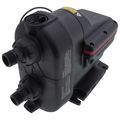
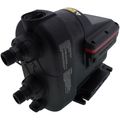
Grundfos Scala2 Booster Pumps

 --%3E %3Csvg version='1.1' id='Half' xmlns='http://www.w3.org/2000/svg' xmlns:xlink='http://www.w3.org/1999/xlink' x='0px' y='0px' viewBox='0 0 100 100' enable-background='new 0 0 100 100' xml:space='preserve'%3E %3Cg%3E %3Cpath fill='%23F15C02' d='M30.05,70.23l3.79-12.01L8.8,39.6l30.73-0.17c0,0,6.98-19.61,10-28.93c0.54,1.36,9.88,29.1,9.88,29.1h1.58 L93.71,7.18c-3.58-3.82-8.66-6.23-14.28-6.23H20.56C9.78,0.95,0.95,9.78,0.95,20.56v58.87c0,5.41,2.22,10.32,5.79,13.88 L30.05,70.23z'/%3E %3C/g%3E %3Cpath fill='%23FBC8B4' d='M93.71,7.18L60.98,39.6H91.2L65.38,58.24l9.38,29.58L49.69,69.78L24.5,87.82l5.55-17.59L6.75,93.32 c3.55,3.54,8.44,5.73,13.82,5.73h58.87c10.79,0,19.61-8.83,19.61-19.61V20.56C99.05,15.4,97.01,10.69,93.71,7.18z'/%3E %3C/svg%3E)



 --%3E %3Csvg version='1.1' id='No-RB' xmlns='http://www.w3.org/2000/svg' xmlns:xlink='http://www.w3.org/1999/xlink' x='0px' y='0px' viewBox='0 0 100 100' enable-background='new 0 0 100 100' xml:space='preserve'%3E %3Cpath fill='%23CECECE' d='M79.44,0.95H20.56C9.78,0.95,0.95,9.78,0.95,20.56v58.87c0,10.79,8.82,19.61,19.61,19.61h58.87 c10.79,0,19.61-8.83,19.61-19.61V20.56C99.05,9.78,90.22,0.95,79.44,0.95z M65.38,58.24l9.38,29.58L49.69,69.78L24.5,87.82 l9.34-29.6L8.8,39.6l30.73-0.17c0,0,6.98-19.61,10-28.93c0.54,1.36,9.88,29.1,9.88,29.1H91.2L65.38,58.24z'/%3E %3C/svg%3E)


Grundfos Scala2 Booster Pumps are self-contained water pressure boosting systems built to raise weak household water pressure to a consistent, usable level at every fixture in a home. The unit combines a pump, pressure vessel, sensors, and electronic controller inside a single compact housing, which simplifies installation compared with older booster setups that required assembling a pump, separate pressure tank, and control switch as individual components. Plumbers spec Scala2 units for homes on well systems, houses fed by low-pressure municipal supply, or multi-story buildings where upper floors get noticeably weaker flow than the ground level. The built-in electronic controller continuously monitors pressure and adjusts pump speed to match demand, running only as fast as needed rather than cycling a fixed-speed motor on and off. Because the entire system ships as one assembled unit, a Scala2 install typically takes less time and requires fewer separate parts than piecing together a comparable pressure boosting system from individual components.
Subcategories
- Scala2 Pump and Motor Assembly: The pump and motor assembly is the core component that draws in water and increases its pressure before sending it on to the home's plumbing. Grundfos builds the motor with variable speed control, letting it adjust output to match real-time demand rather than running at a single fixed speed. Because the pump and motor are integrated into the Scala2's sealed housing, replacement of this assembly typically means servicing the unit as designed by the manufacturer rather than swapping in a generic aftermarket motor. Technicians confirm the specific Scala2 model number before ordering a replacement pump assembly, since output ratings vary across the product line.
- Electronic Controller and Sensors: The electronic controller reads pressure and flow sensors built into the unit and adjusts pump speed continuously to hold water pressure steady even as demand changes from a single tap running to multiple fixtures operating at once. This component is what differentiates the Scala2 from older constant-speed booster pumps, which could not respond to changing demand without cycling on and off. A malfunctioning sensor or controller typically shows up as inconsistent pressure, unexpected pump cycling, or an error code displayed on the unit itself. Technicians troubleshoot the controller separately from the pump motor when diagnosing a pressure complaint, since either component can cause similar symptoms.
- Pressure Vessel and Fittings: The integrated pressure vessel stores a small reserve of pressurized water, smoothing out pump cycling and providing an immediate response when a fixture is opened before the pump ramps up. Connection fittings link the unit to the home's existing water supply piping, and matching pipe size and thread type to the home's plumbing is necessary for a clean, leak-free installation. Because the vessel is built into the Scala2 housing rather than installed as a separate tank, service work on this component generally follows the manufacturer's documented procedure for the specific model. Confirming vessel condition during routine service helps catch a slow leak before it affects overall system pressure.
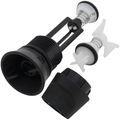
- Isolation Valves and Bypass Kits: Isolation valves let a technician shut off water flow to the Scala2 unit for service or replacement without draining or disrupting the rest of the home's plumbing system. Bypass kits allow water to flow around the booster pump temporarily, which keeps the household supplied with water, albeit at reduced pressure, while the unit is serviced or replaced. Installing isolation valves during the initial setup, even though they add a small amount of extra plumbing work, makes future maintenance considerably easier. Homes without existing isolation valves around a booster pump often require additional fittings when the time comes for service.
Buying Guide
Selecting the right Grundfos Scala2 Booster Pump starts with confirming the home's actual water demand, measured in flow rate, rather than guessing based on house size alone. A larger home with more bathrooms and fixtures running simultaneously needs a unit sized for higher peak flow than a smaller home with fewer fixtures, and undersizing the pump leads to pressure drops whenever multiple fixtures operate at once.
Existing water pressure and the target pressure needed at the farthest or highest fixture both factor into sizing as well. Homes on well systems or those with notably weak municipal supply may need a different model within the Scala2 lineup than a home that simply wants more consistent pressure on upper floors. Checking incoming water pressure with a simple gauge before selecting a unit gives a clearer picture of how much boost is actually needed.
Installation space and electrical requirements matter more with a Scala2 than with some older booster systems, since the compact housing still needs adequate clearance for service access and a dedicated electrical circuit sized to the unit's specifications. Isolation valves and a bypass arrangement, while not strictly required, make future service considerably easier and are worth including in the initial installation plan. Confirming the unit's connection size matches the home's existing supply piping, or planning for the appropriate transition fittings, avoids complications during installation.
Frequently Asked Questions
What makes the Scala2 different from a traditional booster pump setup?
The Scala2 combines the pump, pressure vessel, sensors, and electronic controller into a single housing, while a traditional setup requires assembling these as separate components. Its variable speed motor also adjusts output continuously to match demand, rather than cycling a fixed-speed motor on and off. This generally means a simpler installation and steadier pressure delivery across changing demand throughout the day.
How is a Scala2 unit sized for a specific home?
Sizing depends on the home's peak water demand, measured as flow rate when multiple fixtures run simultaneously, along with the existing incoming water pressure and the pressure needed at the farthest fixture. A plumber typically checks incoming pressure with a gauge and estimates peak demand based on the number of bathrooms and fixtures before selecting the appropriate model. Undersizing the unit leads to pressure drops during high-demand periods.
Does installing isolation valves affect the pump's operation?
Isolation valves do not affect normal operation since they stay fully open during regular use, only closing when the unit needs to be serviced or removed. Their main benefit is making future maintenance far easier by allowing the technician to shut off flow to the unit without draining the entire home's plumbing. Homes without these valves typically need additional plumbing work whenever the unit requires service.
What are common signs that a Scala2 unit needs service?
Inconsistent water pressure, unusual pump cycling, unexpected noise, or an error code displayed on the unit's controller all point toward a component needing attention. Because the pump, controller, and pressure vessel are integrated, diagnosing which specific component is causing the symptom often requires checking the unit's built-in diagnostics first. A qualified plumber familiar with the Scala2 platform can narrow down the cause more efficiently than guessing based on symptoms alone.
Can a Scala2 booster pump work with a well water system?
The Scala2 line includes models suited to well water applications, where incoming pressure can vary more than with a municipal supply. Matching the specific model to the well system's pressure characteristics and the home's peak demand is important for consistent performance. A plumber familiar with the specific well setup can confirm which model in the lineup fits the application.
