




HVAC Ducts & Venting
HVAC Ducts & Venting Supplies are the pipe, fittings, and accessories that move conditioned air, combustion exhaust, or dryer exhaust through a building safely. Contractors rely on this category for everything from flexible duct runs in a crawlspace to rigid metal ductwork in a mechanical room. It also includes the insulation, vent kits, and fasteners that keep a system code compliant and airtight. A properly assembled duct and venting system affects comfort, energy use, and indoor air quality. Material grade and connection method matter as much as the size of the run.
Because venting requirements differ by appliance type, fuel source, and local code, choosing the right combination of duct, insulation, and fittings up front saves a return trip. Flexible duct speeds installation around obstacles, rigid ductwork holds its shape on long straight runs, and dedicated dryer venting and roof vents route exhaust away from the structure. Stocking a mix of these subcategories lets a crew match the product to the job instead of forcing one duct type to do work it wasn't designed for.




Subcategories
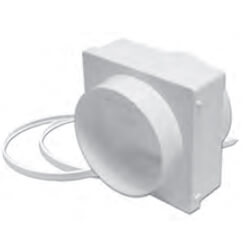
- Accessories: Accessories in this group include the fasteners, tapes, dampers, and small parts that finish out a duct or vent run instead of the duct itself. Contractors use these parts to seal joints, support runs, and adapt one duct size or shape to another. A duct system is only as tight as its weakest connection, so matching the right accessory to the duct material keeps airflow and code compliance intact.
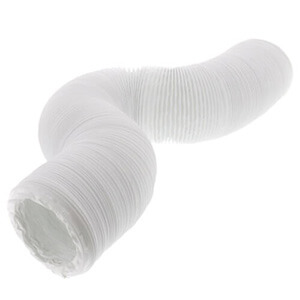
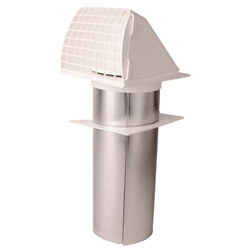
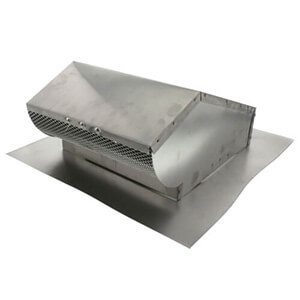
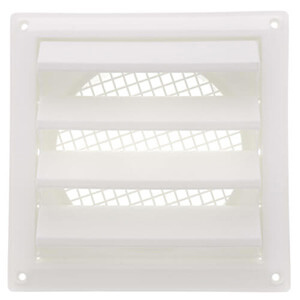
- Dryer Venting: Dryer venting routes lint-laden exhaust air outside the structure. It needs smooth interior walls and short, direct runs to stay code compliant and reduce fire risk. Installers choose rigid metal duct for straight runs and semi-rigid sections where the vent has to navigate around framing. Termination caps and back-draft dampers finish the run. They keep outside air and pests from entering the home.
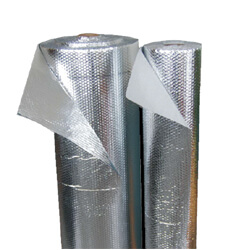
- Duct Insulation: Duct insulation wraps supply and return ductwork to cut heat gain or loss as conditioned air travels through unconditioned spaces like attics and crawlspaces. Contractors select a wrap thickness and R-value based on climate zone and local energy code. Properly insulated duct also controls condensation on cooling systems, protecting framing and drywall from moisture damage.
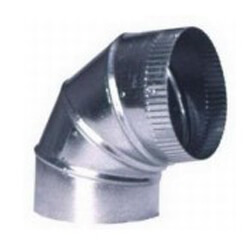
- Duct Pipe & Fittings: Duct pipe and fittings make up the rigid metal backbone of a forced-air system, including straight sections, elbows, transitions, and take-offs. Sheet metal contractors size these pieces to match the blower's static pressure rating and the room-by-room airflow the system needs to deliver. Snap-lock and drive-cleat connections let a crew assemble long runs on site without a full metal shop.
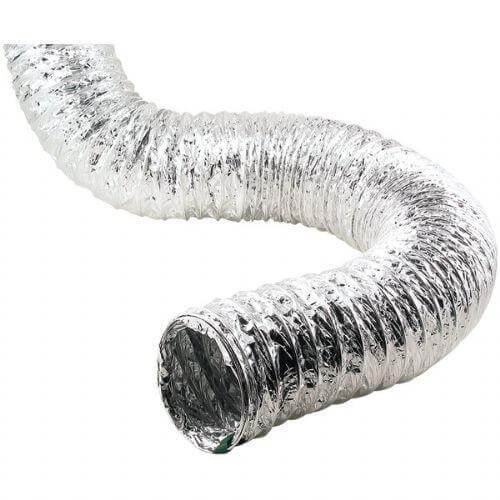
- Flexible Duct: Flexible duct is an insulated, collapsible tube used for the final connection between rigid trunk lines and supply registers. Crews favor it for tight attic and joist bay installations where rigid metal would require extra elbows and labor. Pulling flex duct taut and supporting it every few feet keeps airflow resistance low and prevents sagging that restricts air delivery.
- Flexible Semi-Rigid Duct: Flexible semi-rigid duct holds a round shape better than standard flex while still bending around obstacles, making it a middle ground between rigid metal and fully collapsible flex. Contractors use it in short transition runs where a rigid elbow would be difficult to fit but a fully flexible duct might restrict airflow. Its stiffer wall also resists crushing during installation in tight mechanical spaces.
Buying Guide
Selecting duct and venting supplies starts with identifying what the run needs to carry: conditioned air, combustion exhaust, or dryer exhaust, since each has different material and clearance requirements. Combustion venting for gas appliances typically requires venting rated for the appliance's flue gas temperature. Dryer venting calls for smooth rigid or semi-rigid metal rather than foil or plastic duct. Getting this classification right before ordering avoids a failed inspection or a callback.
Duct material and shape come next. Rigid sheet metal duct holds airflow characteristics well over long distances and standard sizes, while flexible duct trades some efficiency for faster installation around framing and obstacles. Runs longer than a few feet of flex duct should transition to rigid pipe where possible, since excess flex length adds resistance that a blower has to work against.
Insulation requirements depend on where the duct runs. Ductwork through unconditioned attics, crawlspaces, or garages benefits from added wrap to limit energy loss. HVAC Ducts & Venting Supplies for these areas typically pair insulated flex or wrapped rigid duct with vapor barrier tape at every seam. Runs entirely within conditioned space need less insulation but still require sealed joints to prevent air leakage.
Accessories often determine how well a duct system performs day to day. Dampers allow balancing airflow between zones. Transition fittings adapt one duct size to another without restricting flow. Hangers and straps keep runs supported so they don't sag or separate over time. Skipping these components to save a step during installation is a common source of comfort complaints later.
Code compliance ties every decision together. Local mechanical and fuel gas codes set minimum clearances, termination locations, and material ratings for venting. Manufacturer installation instructions specify maximum run lengths and elbow counts. Building these requirements into the materials list keeps the installation on schedule and passing inspection the first time.
Frequently Asked Questions
What's the difference between flexible duct and rigid duct?
Rigid duct is formed sheet metal that holds its shape and airflow characteristics over long runs. Flexible duct is a collapsible, insulated tube designed for short connections around obstacles. Flex duct installs faster but adds more airflow resistance per foot than rigid metal. Most systems use rigid trunk lines with flex duct only for the final connection to each register.
Can dryer vent duct be flexible foil or plastic?
Most fuel and mechanical codes require rigid or semi-rigid metal duct for dryer venting. Foil and plastic duct can sag, trap lint, and pose a fire hazard. Smooth interior walls also reduce lint buildup compared to ribbed flexible duct.
How much duct insulation is needed in an unconditioned attic?
Required insulation levels depend on climate zone and local energy code, and they typically call for a higher R-value than duct running through conditioned space. Wrapping every seam with vapor barrier tape matters as much as the insulation thickness itself.
Why should flexible duct runs be kept short?
Excess flex length adds resistance that a blower has to work against. Pulling flex duct taut and supporting it every few feet keeps airflow resistance low and prevents sagging. Where possible, runs longer than a few feet of flex duct should transition to rigid pipe.
What holds duct sections together on a rigid metal run?
Rigid duct sections typically connect with snap-lock seams or drive cleats. Each connection is then sealed with tape. A duct system is only as tight as its weakest connection, so sealed joints are needed to prevent air leakage.
Resources
Subcategories
- Accessories: Accessories in this group include the fasteners, tapes, dampers, and small parts that finish out a duct or vent run instead of the duct itself. Contractors use these parts to seal joints, support runs, and adapt one duct size or shape to another. A duct system is only as tight as its weakest connection, so matching the right accessory to the duct material keeps airflow and code compliance intact.
- Dryer Venting: Dryer venting routes lint-laden exhaust air outside the structure. It needs smooth interior walls and short, direct runs to stay code compliant and reduce fire risk. Installers choose rigid metal duct for straight runs and semi-rigid sections where the vent has to navigate around framing. Termination caps and back-draft dampers finish the run. They keep outside air and pests from entering the home.
- Duct Insulation: Duct insulation wraps supply and return ductwork to cut heat gain or loss as conditioned air travels through unconditioned spaces like attics and crawlspaces. Contractors select a wrap thickness and R-value based on climate zone and local energy code. Properly insulated duct also controls condensation on cooling systems, protecting framing and drywall from moisture damage.
- Duct Pipe & Fittings: Duct pipe and fittings make up the rigid metal backbone of a forced-air system, including straight sections, elbows, transitions, and take-offs. Sheet metal contractors size these pieces to match the blower's static pressure rating and the room-by-room airflow the system needs to deliver. Snap-lock and drive-cleat connections let a crew assemble long runs on site without a full metal shop.
- Flexible Duct: Flexible duct is an insulated, collapsible tube used for the final connection between rigid trunk lines and supply registers. Crews favor it for tight attic and joist bay installations where rigid metal would require extra elbows and labor. Pulling flex duct taut and supporting it every few feet keeps airflow resistance low and prevents sagging that restricts air delivery.
- Flexible Semi-Rigid Duct: Flexible semi-rigid duct holds a round shape better than standard flex while still bending around obstacles, making it a middle ground between rigid metal and fully collapsible flex. Contractors use it in short transition runs where a rigid elbow would be difficult to fit but a fully flexible duct might restrict airflow. Its stiffer wall also resists crushing during installation in tight mechanical spaces.
Buying Guide
Selecting duct and venting supplies starts with identifying what the run needs to carry: conditioned air, combustion exhaust, or dryer exhaust, since each has different material and clearance requirements. Combustion venting for gas appliances typically requires venting rated for the appliance's flue gas temperature. Dryer venting calls for smooth rigid or semi-rigid metal rather than foil or plastic duct. Getting this classification right before ordering avoids a failed inspection or a callback.
Duct material and shape come next. Rigid sheet metal duct holds airflow characteristics well over long distances and standard sizes, while flexible duct trades some efficiency for faster installation around framing and obstacles. Runs longer than a few feet of flex duct should transition to rigid pipe where possible, since excess flex length adds resistance that a blower has to work against.
Insulation requirements depend on where the duct runs. Ductwork through unconditioned attics, crawlspaces, or garages benefits from added wrap to limit energy loss. HVAC Ducts & Venting Supplies for these areas typically pair insulated flex or wrapped rigid duct with vapor barrier tape at every seam. Runs entirely within conditioned space need less insulation but still require sealed joints to prevent air leakage.
Accessories often determine how well a duct system performs day to day. Dampers allow balancing airflow between zones. Transition fittings adapt one duct size to another without restricting flow. Hangers and straps keep runs supported so they don't sag or separate over time. Skipping these components to save a step during installation is a common source of comfort complaints later.
Code compliance ties every decision together. Local mechanical and fuel gas codes set minimum clearances, termination locations, and material ratings for venting. Manufacturer installation instructions specify maximum run lengths and elbow counts. Building these requirements into the materials list keeps the installation on schedule and passing inspection the first time.
Frequently Asked Questions
What's the difference between flexible duct and rigid duct?
Rigid duct is formed sheet metal that holds its shape and airflow characteristics over long runs. Flexible duct is a collapsible, insulated tube designed for short connections around obstacles. Flex duct installs faster but adds more airflow resistance per foot than rigid metal. Most systems use rigid trunk lines with flex duct only for the final connection to each register.
Can dryer vent duct be flexible foil or plastic?
Most fuel and mechanical codes require rigid or semi-rigid metal duct for dryer venting. Foil and plastic duct can sag, trap lint, and pose a fire hazard. Smooth interior walls also reduce lint buildup compared to ribbed flexible duct.
How much duct insulation is needed in an unconditioned attic?
Required insulation levels depend on climate zone and local energy code, and they typically call for a higher R-value than duct running through conditioned space. Wrapping every seam with vapor barrier tape matters as much as the insulation thickness itself.
Why should flexible duct runs be kept short?
Excess flex length adds resistance that a blower has to work against. Pulling flex duct taut and supporting it every few feet keeps airflow resistance low and prevents sagging. Where possible, runs longer than a few feet of flex duct should transition to rigid pipe.
What holds duct sections together on a rigid metal run?
Rigid duct sections typically connect with snap-lock seams or drive cleats. Each connection is then sealed with tape. A duct system is only as tight as its weakest connection, so sealed joints are needed to prevent air leakage.