




Duct Insulation

 --%3E %3Csvg version='1.1' id='No-RB' xmlns='http://www.w3.org/2000/svg' xmlns:xlink='http://www.w3.org/1999/xlink' x='0px' y='0px' viewBox='0 0 100 100' enable-background='new 0 0 100 100' xml:space='preserve'%3E %3Cpath fill='%23CECECE' d='M79.44,0.95H20.56C9.78,0.95,0.95,9.78,0.95,20.56v58.87c0,10.79,8.82,19.61,19.61,19.61h58.87 c10.79,0,19.61-8.83,19.61-19.61V20.56C99.05,9.78,90.22,0.95,79.44,0.95z M65.38,58.24l9.38,29.58L49.69,69.78L24.5,87.82 l9.34-29.6L8.8,39.6l30.73-0.17c0,0,6.98-19.61,10-28.93c0.54,1.36,9.88,29.1,9.88,29.1H91.2L65.38,58.24z'/%3E %3C/svg%3E)
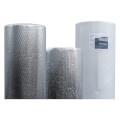
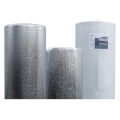
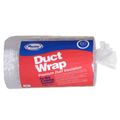
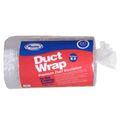


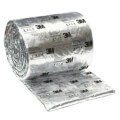
Duct insulation is the wrap, board, or liner material installed around or inside HVAC ductwork to reduce heat gain or loss as conditioned air travels from the equipment to each room. Ducts running through unconditioned spaces, such as an attic, crawlspace, or garage, lose or gain the most heat, which is why insulation matters most in those locations. Beyond temperature control, insulation also helps control condensation on the outside of ducts carrying cooled air through humid, unconditioned spaces, since an uninsulated duct surface can drop below the surrounding dew point and start dripping. Contractors choose between wrap-style insulation for exterior duct surfaces and rigid board products used to fabricate insulated ductwork directly, depending on the installation method and the ductwork's construction. Getting coverage right along the entire run, including elbows and transitions, keeps the whole system performing consistently rather than leaving weak points where heat loss or condensation concentrates.
Subcategories
- Fiberglass Duct Wrap: Fiberglass duct wrap is a flexible blanket insulation, typically faced with a foil or reinforced vapor barrier, that wraps around the outside of round or rectangular metal ductwork. Installers secure it with insulation pins or banding to keep it snug against the duct surface without gaps. The foil facing also serves as the vapor barrier, so seams need to be taped to keep moisture from reaching the insulation underneath. Attics and crawlspaces are the most common installation locations for this product.
- Foil-Faced Board Insulation: Foil-faced board insulation is rigid enough to be cut and fabricated directly into ductwork, rather than wrapped around existing metal duct. Fabricators score and fold the board to form the duct shape, then tape and seal the seams to complete the run. New construction projects use this approach often, building ductwork directly from insulated board rather than sheet metal. The rigid structure also adds some sound-dampening benefit compared to bare sheet metal duct.
- Reflective/Radiant Barrier Duct Wrap: Reflective duct wrap combines a thin layer of insulation with a radiant barrier facing designed to reflect heat rather than only slow its conduction. Hot attic spaces benefit most from the radiant properties, since a large share of attic heat gain moves by radiation from the roof deck. Installation follows the same wrap-and-seal method as standard fiberglass wrap, with pins or banding holding the material in place. Some contractors combine this style with a lower R-value base layer to balance performance against material thickness in tight attic clearances.
- Insulation Tape, Pins, and Fasteners: Insulation tape, pins, and fasteners cover the accessories needed to properly install and seal duct insulation rather than the insulation material itself. Foil tape seals seams and joints in both wrap and board insulation to maintain the vapor barrier's integrity. Insulation pins hold wrap-style products snug against the duct surface, preventing sagging over time. Keeping a stock of matching tape and fasteners on hand avoids a job stalling out partway through for lack of a small accessory.
Buying Guide
Choosing duct insulation starts with where the ductwork runs. Sections passing through an attic, crawlspace, or unconditioned garage need insulation more than runs already inside conditioned living space, since those are the locations losing or gaining the most heat to the surrounding environment. Wrap-style fiberglass insulation suits existing metal ductwork that needs to be retrofitted after installation, while rigid board products are typically chosen at the fabrication stage, when the ductwork itself is being built. Vapor barrier integrity deserves close attention on any duct carrying cooled air through a humid, unconditioned space, since a gap in the facing or an unsealed seam lets moisture reach the duct surface and can lead to condensation dripping inside a ceiling or wall cavity. Thickness and R-value should match the temperature difference the duct will see: a run through a hot, humid attic generally needs more insulation than one running through a moderate basement. Coverage matters as much as material choice, since elbows, transitions, and takeoffs are easy to under-insulate compared to long straight runs, and a gap at any of those points creates a weak point in an otherwise well-insulated system. Sealing all seams and pin penetrations with foil tape keeps the vapor barrier continuous, which matters as much for condensation control as the insulation's R-value itself. Confirming local energy code minimums before finishing a job rounds out a complete duct insulation installation plan.
Frequently Asked Questions
Where does duct insulation matter most?
Sections of ductwork running through unconditioned spaces, such as an attic, crawlspace, or garage, benefit the most, since those areas see the largest temperature difference between the air inside the duct and the surrounding space. Ducts already located inside conditioned living space need insulation less urgently. Prioritizing unconditioned runs first makes the most of a limited insulation budget.
What is the difference between duct wrap and duct board insulation?
Duct wrap is a flexible blanket material installed around existing metal ductwork after it is in place. Duct board is rigid and gets fabricated directly into the ductwork shape during construction, rather than wrapped around finished duct. The choice usually comes down to whether the ductwork already exists or is being built as part of the job.
How does duct insulation help control condensation?
A vapor barrier facing, typically foil, keeps humid air from reaching the cold duct surface carrying cooled supply air. Without that barrier intact, moisture in the surrounding air can condense directly on the duct and drip. Sealing seams and pin penetrations with matching tape keeps the vapor barrier continuous along the entire run.
Does duct insulation need to cover elbows and transitions?
Yes, elbows, transitions, and takeoffs need the same coverage as straight duct runs, since skipping them creates a weak point where heat loss or condensation concentrates. Fittings like these are more time-consuming to wrap than a long straight section, which is why they sometimes get skipped on a rushed job. Consistent coverage across the whole run keeps the system performing as intended.
What R-value is typical for residential duct insulation?
R-value needs vary by climate zone and local energy code, so checking the applicable code minimum for the project's location is the most reliable starting point. Attic and exterior runs generally call for a higher R-value than a duct located in a moderate basement. A local code official or energy code reference confirms the exact minimum for a given job.
