




Filters
SORT
Product Availability –
Diameter (Inches) –
Length (Feet) –
Review Score –
 --%3E %3Csvg version='1.1' id='Fill' xmlns='http://www.w3.org/2000/svg' xmlns:xlink='http://www.w3.org/1999/xlink' x='0px' y='0px' viewBox='0 0 100 100' enable-background='new 0 0 100 100' xml:space='preserve'%3E %3Cpath fill='%23F15C02' d='M79.44,0.95H20.56C9.78,0.95,0.95,9.78,0.95,20.56v58.87c0,10.79,8.82,19.61,19.61,19.61h58.87 c10.79,0,19.61-8.83,19.61-19.61V20.56C99.05,9.78,90.22,0.95,79.44,0.95z M65.38,58.24l9.38,29.58L49.69,69.78L24.5,87.82 l9.34-29.6L8.8,39.6l30.73-0.17c0,0,6.98-19.61,10-28.93c0.54,1.36,9.88,29.1,9.88,29.1H91.2L65.38,58.24z'/%3E %3C/svg%3E)
Price Range –
Flexible Vinyl Duct


 --%3E %3Csvg version='1.1' id='No-RB' xmlns='http://www.w3.org/2000/svg' xmlns:xlink='http://www.w3.org/1999/xlink' x='0px' y='0px' viewBox='0 0 100 100' enable-background='new 0 0 100 100' xml:space='preserve'%3E %3Cpath fill='%23CECECE' d='M79.44,0.95H20.56C9.78,0.95,0.95,9.78,0.95,20.56v58.87c0,10.79,8.82,19.61,19.61,19.61h58.87 c10.79,0,19.61-8.83,19.61-19.61V20.56C99.05,9.78,90.22,0.95,79.44,0.95z M65.38,58.24l9.38,29.58L49.69,69.78L24.5,87.82 l9.34-29.6L8.8,39.6l30.73-0.17c0,0,6.98-19.61,10-28.93c0.54,1.36,9.88,29.1,9.88,29.1H91.2L65.38,58.24z'/%3E %3C/svg%3E)


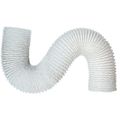
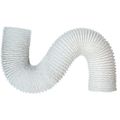
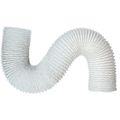
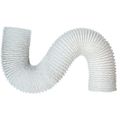
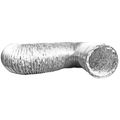

Flexible vinyl duct is a lightweight, collapsible ducting material built from PVC vinyl reinforced with a spring steel wire helix, used to route air between HVAC equipment and supply or return registers. Contractors rely on it for quick runs in tight joist bays, crawlspaces, and finished ceilings where rigid metal duct would be difficult to fit. Lambro flexible vinyl duct on SupplyHouse comes in diameters from 3 inches to 6 inches and lengths from 5 feet to 50 feet, giving installers options for short branch runs or longer feeder lines. The vinyl construction flexes around obstacles and compresses for storage, cutting install time compared to sheet metal. Vinyl duct is rated for general air distribution only; manufacturers explicitly warn against using it for clothes dryer venting, where lint buildup and heat create a fire risk. Choosing the right diameter and length up front keeps airflow balanced and reduces the number of joints a technician has to seal.
Subcategories
- 3" Flexible Vinyl Duct: The 3 inch diameter option suits tight installations such as bathroom exhaust fan runs and small register branches where duct space is limited. Installers favor it in older homes with shallow joist bays. Lambro offers this size in 8 foot lengths for short, direct connections. Its narrow profile lets a technician route it through wall cavities without extra elbows.
- 4" Flexible Vinyl Duct: The 4 inch size is the most common diameter for supply and return branch runs feeding individual rooms. Lambro produces it in lengths from 5 feet to 50 feet, covering both short hookups and longer runs across an attic. Contractors use it to connect a trunk line to a floor or wall register. Some 4 inch options ship with clamps already attached for a faster connection.
- 6" Flexible Vinyl Duct: The 6 inch diameter handles higher airflow volumes, making it a fit for larger rooms or combined branch runs. Lambro supplies this size in 50 foot lengths for covering longer attic or basement distances. Mechanical contractors choose the 6 inch size when a run needs to move more air than a 4 inch line can handle. Extra care in support and strapping keeps the larger duct from sagging between joists.
- Vinyl Duct with Clamps: Some Lambro vinyl duct kits include duct clamps preinstalled at each end, cutting a step out of the connection process. The clamp option is common in 4 inch, 8 foot lengths designed for quick fan or register hookups. Installers doing service calls or replacement jobs often prefer the clamp-equipped kits to avoid carrying separate clamps. The bundled hardware still requires a proper seal at the collar to maintain airflow.
Buying Guide
Start with the connection points. Measure the register boot, fan collar, or plenum takeoff before ordering, since flexible vinyl duct only works when the diameter matches the fitting exactly. A 4 inch collar needs a 4 inch duct; forcing a mismatched size strains the clamp and creates air leaks at the joint.
Next, plan the run length. Short branch runs under 10 feet can use compact lengths like 5 or 8 feet, while longer attic or basement runs benefit from 20 to 50 foot rolls that reduce the number of couplings needed. Fewer joints mean fewer places for conditioned air to escape.
Consider the application before buying. Flexible vinyl duct is built for general HVAC air distribution, not for venting clothes dryers, where heat and lint require a metal duct rated for that duty. Manufacturers explicitly warn against substituting vinyl duct in a dryer vent run because trapped lint and heat create a fire risk.
Decide whether preinstalled clamps make sense for the job. Service techs handling multiple small repairs in a day often save time with clamp-equipped duct, while contractors running longer custom lengths may prefer separate clamps sized to the exact cut.
Finally, check local mechanical code for any restrictions on flexible duct length and support spacing, since some jurisdictions cap continuous flex runs and require strapping at set intervals to prevent sagging and restricted airflow.
Frequently Asked Questions
What sizes of flexible vinyl duct are available?
Flexible vinyl duct commonly comes in diameters from 3 inches to 6 inches and lengths from 5 feet to 50 feet. Matching the diameter to the register boot or fan collar keeps airflow steady and prevents leaks at the connection. Shorter lengths suit tight branch runs, while longer rolls cover attic or basement distances with fewer joints.
Can flexible vinyl duct be used for dryer venting?
Flexible vinyl duct is not approved for clothes dryer venting. Heat and lint buildup inside vinyl duct create a fire risk that metal dryer vent duct is specifically designed to avoid. Dryer exhaust runs need a rigid or semi-rigid metal duct rated for that higher heat exposure.
What is flexible vinyl duct made of?
Flexible vinyl duct consists of PVC vinyl material bonded around a spring steel wire helix that lets it flex and compress. Construction keeps the duct lightweight and easy to route through joist bays and tight mechanical spaces. Vinyl duct works for general air distribution rather than high-heat applications.
Do vinyl duct kits come with clamps?
Some flexible vinyl duct kits, particularly in 4 inch diameter and 8 foot lengths, ship with clamps preinstalled at each end. Preinstalled clamps speed up connections for service calls and smaller repair jobs. Contractors running custom lengths often buy separate clamps sized to the cut instead.
How long can a flexible vinyl duct run be?
Lambro flexible vinyl duct is available in lengths from 5 feet up to 50 feet, and installers can join multiple lengths for longer runs. Local mechanical code often sets limits on continuous flex duct length and required support spacing. Checking code before installation keeps the run compliant and properly supported.
