



'/%3E%3C/svg%3E)
 --%3E %3Csvg version='1.1' id='Fill' xmlns='http://www.w3.org/2000/svg' xmlns:xlink='http://www.w3.org/1999/xlink' x='0px' y='0px' viewBox='0 0 100 100' enable-background='new 0 0 100 100' xml:space='preserve'%3E %3Cpath fill='%23F15C02' d='M79.44,0.95H20.56C9.78,0.95,0.95,9.78,0.95,20.56v58.87c0,10.79,8.82,19.61,19.61,19.61h58.87 c10.79,0,19.61-8.83,19.61-19.61V20.56C99.05,9.78,90.22,0.95,79.44,0.95z M65.38,58.24l9.38,29.58L49.69,69.78L24.5,87.82 l9.34-29.6L8.8,39.6l30.73-0.17c0,0,6.98-19.61,10-28.93c0.54,1.36,9.88,29.1,9.88,29.1H91.2L65.38,58.24z'/%3E %3C/svg%3E)


MANUALS (2)
Product Highlights


Description
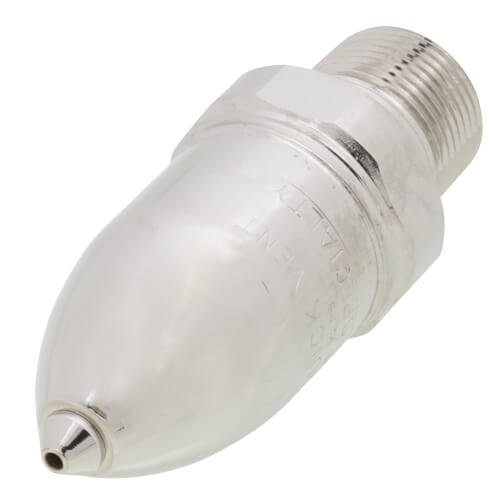
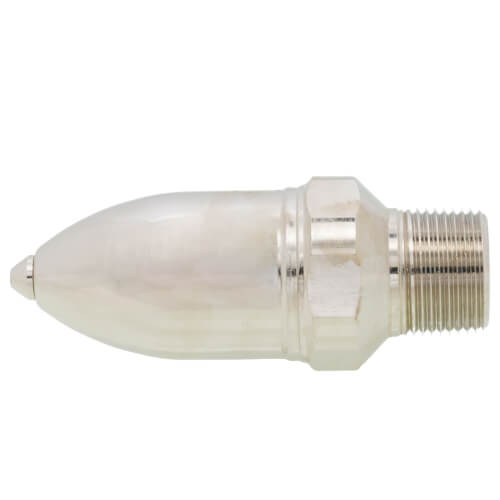
- Float-type thermostatic vent
- For residential or small one-pipe or two-pipe systems
- Single non-adjustable port
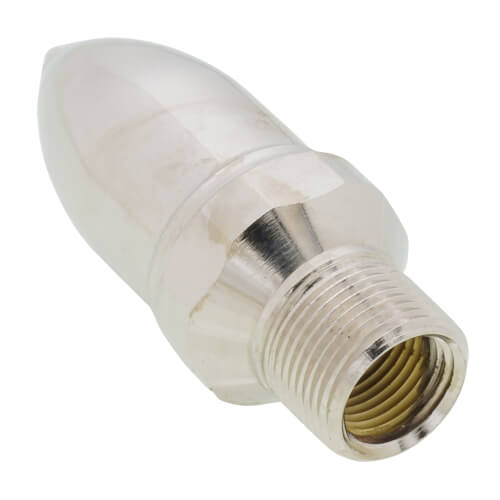
- 1⁄2" NPT female and 3⁄4" NPT male straight shank
- Install 6-10" (150-250mm) above horizontal return and 18" (450mm) above the boiler water line
- Maximum operating pressure 2 psig (0.13 bar)(Drop away pressure - maximum pressure against which the vent can open).
- Maximum pressure 10 psig (0.7 bar)
Specs
| Application: | Main Vent |
|---|---|
| Size: | 1/2" x 3/4" |
| Type: | Non-Vacuum Float-type Vent |
| System Type: | Steam |
| Max Pressure: | 10 psig |
| Max Operating Pressure: | 2 psig |
| Mount: | Straight |
| Adjustability: | Non-Adjustable |
| Material: | Steel |
| Body Pattern: | Straight |
| Thread Type: | Male Female |
| Temperature Range (F): | 140°F - 240°F |
| Min Temp (F): | 140°F |
| Max Temp (F): | 240°F |
| Thread Size: | 3/4" 1/2" |


Questions?
You May Also Need
Product Reviews
Vents as it should
Just like the one I replaced.
Get's The Job Done!
Hoffman 4A steam vent
Fast and Accurate
Very pleased
exact replacement
 --%3E %3Csvg version='1.1' id='With-RB' xmlns='http://www.w3.org/2000/svg' xmlns:xlink='http://www.w3.org/1999/xlink' x='0px' y='0px' viewBox='0 0 100 100' enable-background='new 0 0 100 100' xml:space='preserve'%3E %3Cpath fill='%23FBC8B4' d='M79.44,0.95H20.56C9.78,0.95,0.95,9.78,0.95,20.56v58.87c0,10.79,8.82,19.61,19.61,19.61h58.87 c10.79,0,19.61-8.83,19.61-19.61V20.56C99.05,9.78,90.22,0.95,79.44,0.95z M65.38,58.24l9.38,29.58L49.69,69.78L24.5,87.82 l9.34-29.6L8.8,39.6l30.73-0.17c0,0,6.98-19.61,10-28.93c0.54,1.36,9.88,29.1,9.88,29.1H91.2L65.38,58.24z'/%3E %3C/svg%3E)
Works as expected and as hoped.
Definately would buy this product again
Hoffman Main AIr
Product Q&A
1 QuestionQ: I have to replace a steam main air valve in a one pipe system that is at least 50 years old. The markings on the valve say its a Vintor No 45 made by Hoffman Speciality Company of Indianapolis, Indiana. Will this 4A valve work?
Asked by Jim 13 years ago
Add your answer
If the operating pressure is under 2 psi you can use the 4A if the operating pressure is above 2 psi (and under 6 psi) you can use the 45. From mobile device
Looks like there is a slight difference between the 4A and the 45. The maximum operating pressure is different (2 psi vs 6 psi). The max pressure is the same for both (10 psi). All else appears to be the same. On the main, this should not be a problem. The purpose of the vent on the main is to bleed the air out of the system on startup to get the steam to the radiators quicker. A main air valve functioning properly will save fuel and get the house warm quicker.
I used this valve successfully in my residential 2 zone single pipe system as the main vent for each zone. I don't know what kind of vents we replaced because the markings had long disappeared. The important thing is what pressure you want the valve to close at. My system operates between 1 1/2 and 2 psi so I needed this vent because it closes at 2 psi. When the boiler comes on and begins to create steam the main vents are open allowing the steam to push the air out of the system and quickly fill the system with steam. The vents are at the very end of the line so when the steam pressure gets to 2 psi (at the main vents) they close (and at this point all the air is out of the system) and the steam begins to travel to the individual radiators. Without the correct main vent you can end up having steam get to the radiators unevenly or have a very slow startup because all of the air hasn't been evacuated from the system. Pick the correct main valve according to your system's operating pressure (most residential single pipe systems operate at less than 2 psi) and then change the fittings if necessary if the new valve won't screw in where the old one was. Then fire up the boiler cold and listen for air to begin escaping from the main vent while checking the pressure. Air should begin escaping within a few minutes and then the vent should close when the pressure reaches 2 psi. Hope this helps. ps. most problems with vintage residential steam systems come from somebody setting the pressure too high.
I had the same valve on my one pipe system. I bought this 4A valve and it works just fine. Been on for several years now without any problem. My system is quite old, house built in the 1920's. Only place I could find this and the valves for my radiators was here at Pex Supply.
Jim: A couple of years ago I was in the same position - though not with the same existing valve that you had. I replaced my main valves with 4A's (there were three) and things have been humming ever since. I have an old, old one pipe system and the valves when we bought the place were at least 30 years old. I'd give it a shot and expect the best...worked for me. Good luck, Josh