



Lamps
Lamps cover the replacement bulbs used across residential and commercial lighting fixtures, spanning fluorescent tubes, HID lamps for high-output applications, and halogen, incandescent, and LED options for general fixtures.
LED lamps are increasingly used as direct replacements for fluorescent, HID, halogen, or incandescent lamps in an existing fixture without requiring a full fixture change. Selecting the correct base type and wattage equivalent keeps a replacement lamp compatible with the fixture's existing socket and ballast, where applicable.

Subcategories
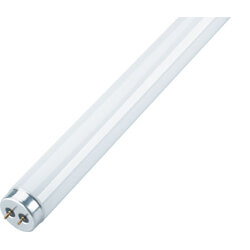
- Fluorescent Lamps: Fluorescent lamps run on a ballast and are common in older commercial and light industrial fixtures, offices, and drop-ceiling lighting. Matching tube length, diameter, and ballast type to the existing fixture avoids a lamp that won't fit or start correctly.
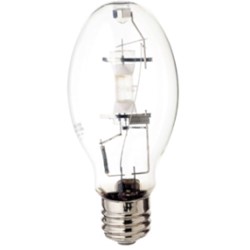
- HID Lamps (High-Intensity Discharge): HID lamps produce high output light for large spaces like warehouses, parking areas, and gymnasiums, running on a dedicated ballast matched to the lamp's wattage and type. Confirming the correct HID lamp type, whether metal halide, high-pressure sodium, or mercury vapor, matters since they aren't interchangeable in the same fixture.
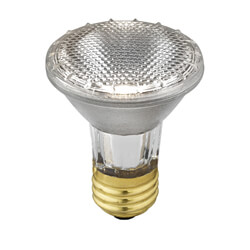
- Halogen Lamps: Halogen lamps run directly off line voltage or a transformer and are common in track lighting, recessed fixtures, and some outdoor security lights. They produce a bright, white light but run hotter than LED alternatives, which matters for fixture clearance and enclosed housings.
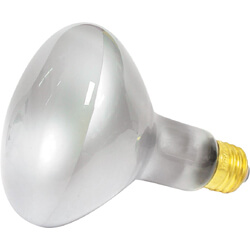
- Incandescent Lamps: Incandescent lamps remain in service in older fixtures and appliances that call for a specific base and shape, running directly off line voltage without a ballast or driver. Availability has narrowed as energy codes phase out general-purpose incandescent bulbs, so contractors often use this category to source the specialty shapes still permitted.
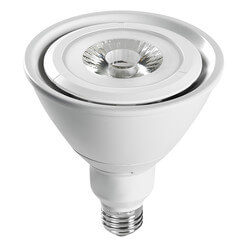
- LED Lamps: LED lamps replace fluorescent, HID, halogen, or incandescent lamps in an existing fixture, often with lower operating cost and a longer service life than the technology being replaced. Some retrofits need a compatible driver, a ballast bypass, or a direct-wire installation depending on the fixture and lamp chosen.
Buying Guide
Start by identifying the existing lamp's base type and dimensions, since a replacement that doesn't match the base or the fixture's physical space won't install correctly regardless of the lamp technology.
For fluorescent and HID lamps, confirm the ballast type already in the fixture, since these lamp types depend on a matched ballast to start and run, unlike halogen or incandescent lamps that run off line voltage directly.
When retrofitting to LED, check whether the fixture needs a ballast bypass or a compatible driver, since some LED lamps are built to work with an existing ballast and others require it to be removed or bypassed.
Consider the environment the lamp serves: outdoor and high-vibration locations call for a more rugged lamp construction, while enclosed fixtures need a lamp rated for the heat buildup in that housing.
Where energy codes restrict certain lamp types, confirm the replacement lamp is still permitted for that application before stocking a large quantity, since general-purpose incandescent and some older HID types have narrowing availability.
Frequently Asked Questions
Can an LED lamp replace a fluorescent tube without changing the fixture?
Many LED tubes can replace a fluorescent lamp directly, but some require the ballast to be bypassed first, so checking the specific LED lamp's installation instructions before swapping it in avoids a lamp that won't light.
What's the difference between metal halide and high-pressure sodium HID lamps?
Metal halide lamps produce a whiter light suited to areas where color accuracy matters, while high-pressure sodium lamps produce a more amber light and are often chosen for their longer lamp life in exterior or high-bay applications.
Why do halogen lamps run hotter than LED lamps?
Halogen lamps produce light by heating a filament, so more of the energy they use is released as heat compared to an LED lamp, which matters for enclosed or recessed fixtures with limited airflow.
Are incandescent lamps still available for purchase?
General-purpose incandescent lamps have narrowed under energy codes, but specialty shapes and applications not covered by those codes remain available.
Does every fixture need a driver change to accept an LED lamp?
Not every fixture needs a driver change; some LED lamps are built to run on an existing ballast, while others require a bypass or a new driver, so checking the lamp's compatibility with the fixture first avoids a failed installation.
Resources
Subcategories
- Fluorescent Lamps: Fluorescent lamps run on a ballast and are common in older commercial and light industrial fixtures, offices, and drop-ceiling lighting. Matching tube length, diameter, and ballast type to the existing fixture avoids a lamp that won't fit or start correctly.
- HID Lamps (High-Intensity Discharge): HID lamps produce high output light for large spaces like warehouses, parking areas, and gymnasiums, running on a dedicated ballast matched to the lamp's wattage and type. Confirming the correct HID lamp type, whether metal halide, high-pressure sodium, or mercury vapor, matters since they aren't interchangeable in the same fixture.
- Halogen Lamps: Halogen lamps run directly off line voltage or a transformer and are common in track lighting, recessed fixtures, and some outdoor security lights. They produce a bright, white light but run hotter than LED alternatives, which matters for fixture clearance and enclosed housings.
- Incandescent Lamps: Incandescent lamps remain in service in older fixtures and appliances that call for a specific base and shape, running directly off line voltage without a ballast or driver. Availability has narrowed as energy codes phase out general-purpose incandescent bulbs, so contractors often use this category to source the specialty shapes still permitted.
- LED Lamps: LED lamps replace fluorescent, HID, halogen, or incandescent lamps in an existing fixture, often with lower operating cost and a longer service life than the technology being replaced. Some retrofits need a compatible driver, a ballast bypass, or a direct-wire installation depending on the fixture and lamp chosen.
Buying Guide
Start by identifying the existing lamp's base type and dimensions, since a replacement that doesn't match the base or the fixture's physical space won't install correctly regardless of the lamp technology.
For fluorescent and HID lamps, confirm the ballast type already in the fixture, since these lamp types depend on a matched ballast to start and run, unlike halogen or incandescent lamps that run off line voltage directly.
When retrofitting to LED, check whether the fixture needs a ballast bypass or a compatible driver, since some LED lamps are built to work with an existing ballast and others require it to be removed or bypassed.
Consider the environment the lamp serves: outdoor and high-vibration locations call for a more rugged lamp construction, while enclosed fixtures need a lamp rated for the heat buildup in that housing.
Where energy codes restrict certain lamp types, confirm the replacement lamp is still permitted for that application before stocking a large quantity, since general-purpose incandescent and some older HID types have narrowing availability.
Frequently Asked Questions
Can an LED lamp replace a fluorescent tube without changing the fixture?
Many LED tubes can replace a fluorescent lamp directly, but some require the ballast to be bypassed first, so checking the specific LED lamp's installation instructions before swapping it in avoids a lamp that won't light.
What's the difference between metal halide and high-pressure sodium HID lamps?
Metal halide lamps produce a whiter light suited to areas where color accuracy matters, while high-pressure sodium lamps produce a more amber light and are often chosen for their longer lamp life in exterior or high-bay applications.
Why do halogen lamps run hotter than LED lamps?
Halogen lamps produce light by heating a filament, so more of the energy they use is released as heat compared to an LED lamp, which matters for enclosed or recessed fixtures with limited airflow.
Are incandescent lamps still available for purchase?
General-purpose incandescent lamps have narrowed under energy codes, but specialty shapes and applications not covered by those codes remain available.
Does every fixture need a driver change to accept an LED lamp?
Not every fixture needs a driver change; some LED lamps are built to run on an existing ballast, while others require a bypass or a new driver, so checking the lamp's compatibility with the fixture first avoids a failed installation.