




Lighting
Lighting covers fixtures and the components that power them, from general-purpose indoor fixtures to the ballasts and starters that run fluorescent and HID lamps. LED ballasts and drivers convert line voltage for LED retrofit lamps replacing older lamp types.
Emergency lighting fixtures and battery backup units activate automatically during a power outage, a requirement in many commercial buildings under local fire and life safety code. Replacing an aging ballast with an LED driver is a common upgrade path when converting a fixture from fluorescent or HID to LED.
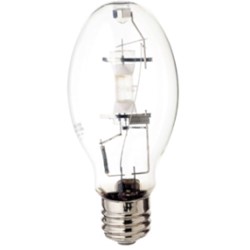
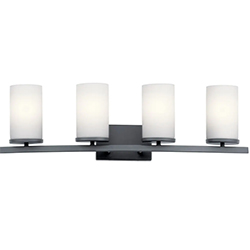
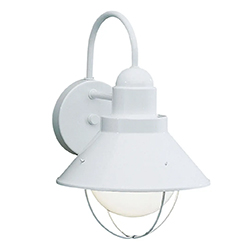
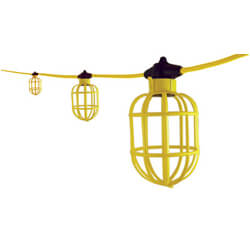

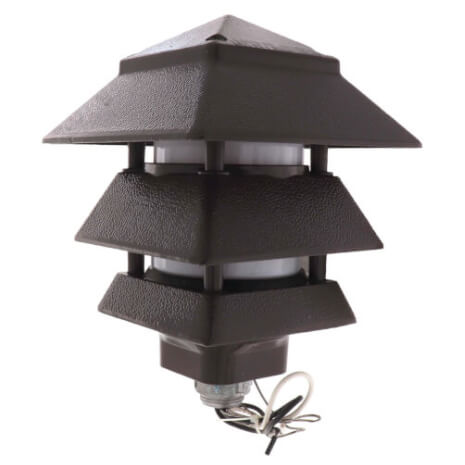
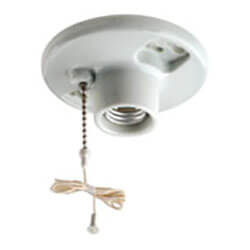
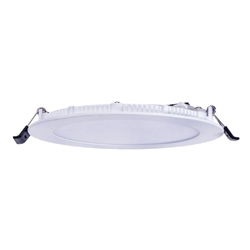
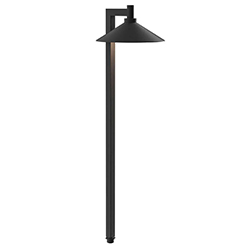
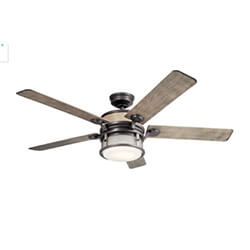

Subcategories
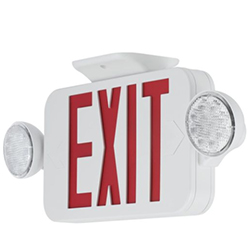
- Emergency Lighting: Emergency lighting includes fixtures and battery backup units that activate during a power outage to keep exits and paths of travel illuminated. Code requirements for emergency lighting vary by occupancy type, so confirming the applicable building code before specifying a fixture is standard practice.
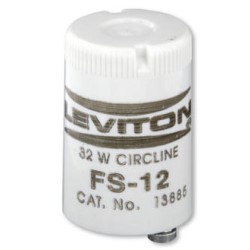
- Fluorescent Starters: Fluorescent starters are the small components that initiate the arc in older fluorescent fixtures before the lamp reaches full brightness. They remain a common replacement item in facilities that haven't yet converted to LED, since a failed starter is a frequent cause of a fixture that flickers or won't light.
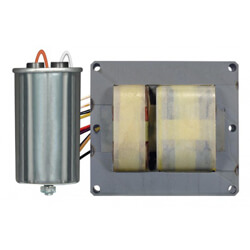
- HID Ballasts: HID ballasts regulate the current to high-intensity discharge lamps used in older high-bay and outdoor fixtures. Matching the ballast type and wattage to the specific lamp is necessary, since HID ballasts are not interchangeable across lamp technologies.
- Indoor Lighting: Indoor lighting covers general-purpose fixtures for residential and commercial interiors, including flush-mount, surface-mount, and utility fixtures used in everyday electrical work. Fixture selection typically comes down to mounting type, lumen output, and the space's ceiling height.
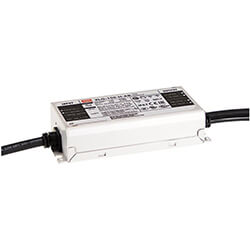
- LED Ballasts: LED ballasts and drivers power LED retrofit lamps and fixtures, converting line voltage to the current LED components need to operate. Choosing a driver rated for the specific lamp wattage and dimming type avoids premature failure or flickering.
- Lamp Holders: Lamp holders are the sockets and bases that secure lamps in a fixture, available in a range of styles to match different lamp bases and fixture designs. Replacing a worn or corroded lamp holder often resolves an intermittent connection that looks like a bad lamp or ballast.
Buying Guide
Selecting the right lighting product starts with the application: indoor versus outdoor, wet or damp location ratings, and whether the fixture needs to meet a specific code requirement such as emergency egress lighting. Getting the location rating wrong is one of the most common reasons a fixture fails prematurely or fails an inspection.
Lamp and driver compatibility matters as much as the fixture itself. LED retrofits need a driver rated for the exact lamp wattage and dimming curve, while legacy fluorescent and HID fixtures depend on a ballast matched to the lamp type in use.
Lumen output and color temperature drive most of the practical decision-making on a lighting job. Higher lumen output suits work areas and high-bay spaces, while color temperature is usually chosen to match existing fixtures in a renovation or the client's preference on new construction.
Mounting type and physical dimensions need to match the space available, particularly on retrofit jobs where a new fixture has to fit an existing electrical box or ceiling cutout. Measuring the existing opening before ordering avoids a fixture that doesn't fit without additional electrical work.
For outdoor and landscape lighting, checking the fixture's IP rating and confirming compatibility with any existing low-voltage transformer or control system prevents mismatched voltage drops across a run of fixtures.
Frequently Asked Questions
Can LED lamps be used in fixtures designed for fluorescent tubes?
Many LED tubes are designed as direct replacements, but some require bypassing the existing ballast while others are made to work with it. Checking the LED lamp's installation instructions against the fixture's ballast type prevents a wiring mismatch.
What does an IP rating mean for outdoor fixtures?
The IP rating describes how well a fixture resists dust and water intrusion, with higher numbers indicating better protection. Outdoor and wet-location fixtures generally need a higher IP rating than fixtures used indoors in dry areas.
How do I match a replacement ballast to an existing HID fixture?
Matching the ballast type, wattage, and lamp technology listed on the fixture's label is the most reliable method. Swapping in a ballast rated for a different lamp type typically results in the lamp not striking or cycling on and off.
Is emergency lighting required in every commercial building?
Requirements depend on the occupancy type and local building code, so confirming the applicable code before a job starts is important. Many commercial spaces require illuminated exit paths, but the specific fixture count and placement varies by jurisdiction.
Why would a lamp holder need replacement instead of the lamp?
A corroded or loose lamp holder can create a poor connection that mimics a failed lamp or ballast. Replacing the lamp holder is a low-cost fix worth ruling out before assuming a more expensive component has failed.
Resources
Subcategories
- Emergency Lighting: Emergency lighting includes fixtures and battery backup units that activate during a power outage to keep exits and paths of travel illuminated. Code requirements for emergency lighting vary by occupancy type, so confirming the applicable building code before specifying a fixture is standard practice.
- Fluorescent Starters: Fluorescent starters are the small components that initiate the arc in older fluorescent fixtures before the lamp reaches full brightness. They remain a common replacement item in facilities that haven't yet converted to LED, since a failed starter is a frequent cause of a fixture that flickers or won't light.
- HID Ballasts: HID ballasts regulate the current to high-intensity discharge lamps used in older high-bay and outdoor fixtures. Matching the ballast type and wattage to the specific lamp is necessary, since HID ballasts are not interchangeable across lamp technologies.
- Indoor Lighting: Indoor lighting covers general-purpose fixtures for residential and commercial interiors, including flush-mount, surface-mount, and utility fixtures used in everyday electrical work. Fixture selection typically comes down to mounting type, lumen output, and the space's ceiling height.
- LED Ballasts: LED ballasts and drivers power LED retrofit lamps and fixtures, converting line voltage to the current LED components need to operate. Choosing a driver rated for the specific lamp wattage and dimming type avoids premature failure or flickering.
- Lamp Holders: Lamp holders are the sockets and bases that secure lamps in a fixture, available in a range of styles to match different lamp bases and fixture designs. Replacing a worn or corroded lamp holder often resolves an intermittent connection that looks like a bad lamp or ballast.
Buying Guide
Selecting the right lighting product starts with the application: indoor versus outdoor, wet or damp location ratings, and whether the fixture needs to meet a specific code requirement such as emergency egress lighting. Getting the location rating wrong is one of the most common reasons a fixture fails prematurely or fails an inspection.
Lamp and driver compatibility matters as much as the fixture itself. LED retrofits need a driver rated for the exact lamp wattage and dimming curve, while legacy fluorescent and HID fixtures depend on a ballast matched to the lamp type in use.
Lumen output and color temperature drive most of the practical decision-making on a lighting job. Higher lumen output suits work areas and high-bay spaces, while color temperature is usually chosen to match existing fixtures in a renovation or the client's preference on new construction.
Mounting type and physical dimensions need to match the space available, particularly on retrofit jobs where a new fixture has to fit an existing electrical box or ceiling cutout. Measuring the existing opening before ordering avoids a fixture that doesn't fit without additional electrical work.
For outdoor and landscape lighting, checking the fixture's IP rating and confirming compatibility with any existing low-voltage transformer or control system prevents mismatched voltage drops across a run of fixtures.
Frequently Asked Questions
Can LED lamps be used in fixtures designed for fluorescent tubes?
Many LED tubes are designed as direct replacements, but some require bypassing the existing ballast while others are made to work with it. Checking the LED lamp's installation instructions against the fixture's ballast type prevents a wiring mismatch.
What does an IP rating mean for outdoor fixtures?
The IP rating describes how well a fixture resists dust and water intrusion, with higher numbers indicating better protection. Outdoor and wet-location fixtures generally need a higher IP rating than fixtures used indoors in dry areas.
How do I match a replacement ballast to an existing HID fixture?
Matching the ballast type, wattage, and lamp technology listed on the fixture's label is the most reliable method. Swapping in a ballast rated for a different lamp type typically results in the lamp not striking or cycling on and off.
Is emergency lighting required in every commercial building?
Requirements depend on the occupancy type and local building code, so confirming the applicable code before a job starts is important. Many commercial spaces require illuminated exit paths, but the specific fixture count and placement varies by jurisdiction.
Why would a lamp holder need replacement instead of the lamp?
A corroded or loose lamp holder can create a poor connection that mimics a failed lamp or ballast. Replacing the lamp holder is a low-cost fix worth ruling out before assuming a more expensive component has failed.