




Malco Vacuum Pumps

 --%3E %3Csvg version='1.1' id='No-RB' xmlns='http://www.w3.org/2000/svg' xmlns:xlink='http://www.w3.org/1999/xlink' x='0px' y='0px' viewBox='0 0 100 100' enable-background='new 0 0 100 100' xml:space='preserve'%3E %3Cpath fill='%23CECECE' d='M79.44,0.95H20.56C9.78,0.95,0.95,9.78,0.95,20.56v58.87c0,10.79,8.82,19.61,19.61,19.61h58.87 c10.79,0,19.61-8.83,19.61-19.61V20.56C99.05,9.78,90.22,0.95,79.44,0.95z M65.38,58.24l9.38,29.58L49.69,69.78L24.5,87.82 l9.34-29.6L8.8,39.6l30.73-0.17c0,0,6.98-19.61,10-28.93c0.54,1.36,9.88,29.1,9.88,29.1H91.2L65.38,58.24z'/%3E %3C/svg%3E)

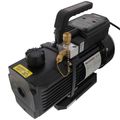
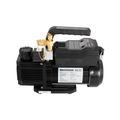

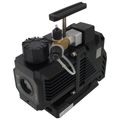
Malco vacuum pumps are hand-operated and cordless tools contractors use to pull a deep vacuum on refrigerant lines before charging an HVAC or refrigeration system. Removing moisture and non-condensable gas from a line set protects compressor life and keeps refrigerant performance where the manufacturer specifies it. Malco's HVACR vacuum pump lineup, sold under the MalcoEdge name, uses an anti-oil-returning design paired with a power loss solenoid valve that helps hold vacuum level if power drops mid-evacuation, and the pumps are built for compatibility with A1, A2L, and A3 refrigerants, covering both legacy and newer low-GWP blends technicians now service. Options range from compact cordless models suited to mini-split and light residential work up to higher-flow units for larger commercial systems. For a service tech stocking a truck, choosing the right pump means matching evacuation speed and portability to the typical job size, since an undersized pump extends evacuation time while an oversized one adds unnecessary weight and cost to a toolbox.
Subcategories
- Cordless Vacuum Pumps: Battery-powered vacuum pumps give technicians evacuation capability in attics, crawlspaces, and rooftop units where a cord isn't practical. They typically suit smaller line sets like mini-split and light residential systems where portability matters more than raw flow rate. Runtime per charge and CFM rating vary by model, so technicians should size the pump to the systems they service most often.
- Corded Elite Flow Vacuum Pumps: Corded models deliver higher continuous flow for evacuating larger residential and commercial systems in less time. Malco built its anti-oil-returning design into this line, which helps protect pump oil from contamination during evacuation. Techs who handle a mix of system sizes often keep a corded model as their primary truck-stock pump.
- Vacuum Pump Oil and Accessories: Vacuum pump oil, oil bottles, and hose adapters keep an evacuation pump running at rated performance. Using the correct oil viscosity and changing it on a regular schedule protects the pump's internal seals and helps it reach a deeper vacuum faster. Adapters let one pump connect to different manifold and hose fittings across a tech's existing equipment.
Buying Guide
Choosing a vacuum pump for refrigerant work starts with matching flow rate to the systems a technician services most. A tech mostly working on mini-splits and small residential systems can rely on a compact cordless pump, since these systems have shorter line sets and lower total refrigerant volume, so a lower CFM rating still reaches a deep vacuum in reasonable time. Larger residential and light commercial jobs call for a higher-flow corded pump that can evacuate a bigger line set without extending job time past what a customer expects.
Refrigerant compatibility is the next factor. As the HVAC industry shifts toward A2L and A3 refrigerant blends alongside legacy R-410A systems, a pump rated for only older refrigerants can become a liability on newer installations. Malco vacuum pumps built for A1, A2L, and A3 compatibility give a shop flexibility to service both legacy and current equipment with one tool, rather than carrying separate pumps for each refrigerant class.
Power source matters for job-site logistics too. Cordless pumps solve access problems in attics and rooftops where running an extension cord adds time and risk, while corded pumps avoid battery runtime limits on longer evacuations. Maintenance habits factor in as well: changing vacuum pump oil on a regular schedule and inspecting hose connections for leaks keeps any pump reaching its rated micron level, regardless of brand or CFM rating.
Frequently Asked Questions
What CFM rating works for mini-split evacuation?
A pump in the 1 to 2 CFM range handles most mini-split line sets, which hold a smaller refrigerant charge than full-size residential systems. A compact cordless pump at that flow rate reaches deep vacuum without adding much weight to a service bag. Techs running several mini-splits a day often standardize on one cordless model for consistency.
Are Malco vacuum pumps rated for A2L refrigerants?
Malco's HVACR vacuum pump line is built for compatibility with A1, A2L, and A3 refrigerants, covering both legacy blends and the newer low-GWP refrigerants entering the market. That range lets a shop standardize on one pump line instead of stocking separate pumps by refrigerant class. Confirming the specific model's refrigerant rating before a job on newer equipment is still good practice.
How often should vacuum pump oil be changed?
Oil should be checked before every major evacuation and changed on a regular schedule, since contaminated oil raises the ultimate vacuum a pump can reach. Oil that turns cloudy or milky after a job usually means moisture or refrigerant got pulled into the pump and needs immediate changing. Keeping spare oil and a drain pan on the truck makes this a quick step between jobs.
What's the difference between cordless and corded vacuum pumps?
Cordless pumps trade some flow rate for battery power and portability, making them useful in attics, crawlspaces, and rooftops where running a cord is impractical. Corded pumps generally deliver higher continuous CFM and work well for larger systems or back-to-back jobs where battery runtime would fall short. Many shops keep one of each type so a tech can match the pump to the job site.
How do I know if a vacuum pump is holding vacuum properly?
A micron gauge attached to the vacuum line is the most reliable way to confirm a pump is pulling down to its rated level. A pump that stalls well above its rated micron level, or that loses vacuum quickly once shut off, often has worn seals or contaminated oil. Isolating the gauge and watching for vacuum rise over several minutes helps confirm whether the leak is in the pump or the system being evacuated.
