



Occupancy Sensors

 --%3E %3Csvg version='1.1' id='No-RB' xmlns='http://www.w3.org/2000/svg' xmlns:xlink='http://www.w3.org/1999/xlink' x='0px' y='0px' viewBox='0 0 100 100' enable-background='new 0 0 100 100' xml:space='preserve'%3E %3Cpath fill='%23CECECE' d='M79.44,0.95H20.56C9.78,0.95,0.95,9.78,0.95,20.56v58.87c0,10.79,8.82,19.61,19.61,19.61h58.87 c10.79,0,19.61-8.83,19.61-19.61V20.56C99.05,9.78,90.22,0.95,79.44,0.95z M65.38,58.24l9.38,29.58L49.69,69.78L24.5,87.82 l9.34-29.6L8.8,39.6l30.73-0.17c0,0,6.98-19.61,10-28.93c0.54,1.36,9.88,29.1,9.88,29.1H91.2L65.38,58.24z'/%3E %3C/svg%3E)
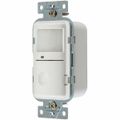
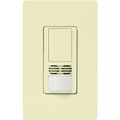
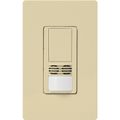
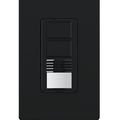
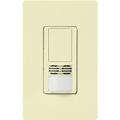
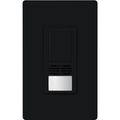
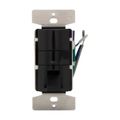

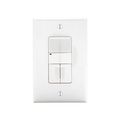
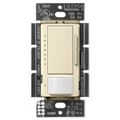
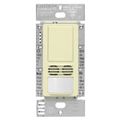
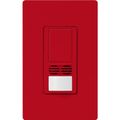
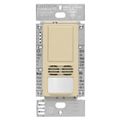
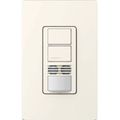
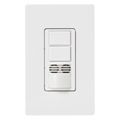
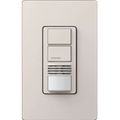
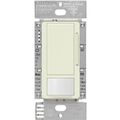
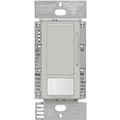
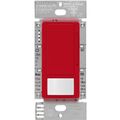
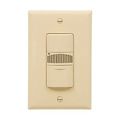
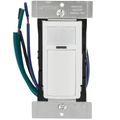

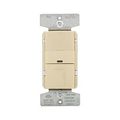
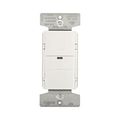
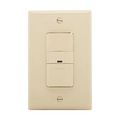
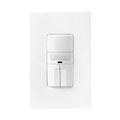
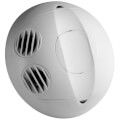
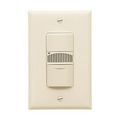
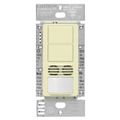
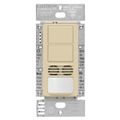
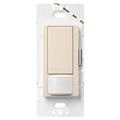
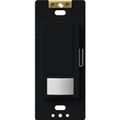
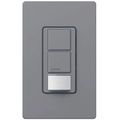
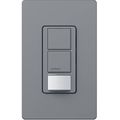
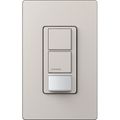


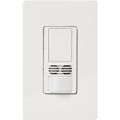
Occupancy Sensors are devices that detect motion or presence in a room and automatically control connected lighting or HVAC equipment, cutting energy waste in spaces where fixtures often get left running. Wall switch models such as the Leviton ODS10 series use passive infrared detection with a field of view up to 2100 square feet, covering large offices, classrooms, and open work areas from a single switch location. Ceiling mount units add ultrasonic or multi technology detection to catch motion around corners and behind fixtures, something PIR alone can miss from a wall position. Electrical and HVAC contractors spec these devices for commercial retrofits where local energy codes require automatic shutoff, and for residential upgrades where a homeowner wants hands free lighting in a mudroom, closet, or garage. Matching detection technology, coverage area, and mounting style to the room layout matters most, because an undersized sensor leaves dead zones that generate nuisance callbacks after the job is done.
Subcategories
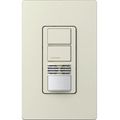
- Wall Switch PIR Sensors: Wall switch occupancy sensors replace a standard toggle switch and use passive infrared detection to sense body heat and movement within a room. The Leviton ODS10 series delivers a field of view up to 2100 square feet from dual pyrometers, giving a true 180 degree view with adjustable time delay settings between 30 seconds and 30 minutes. Electricians install these in offices, break rooms, and storage areas where a single switch location covers the whole space. Facility managers favor the format because it swaps into an existing wall box without new wiring.
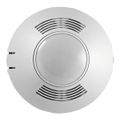
- Multi Technology Ceiling Mount Sensors: Ceiling mount sensors combine passive infrared with ultrasonic detection to cover a full 360 degrees around a room, catching motion that a wall mounted sensor misses behind partitions or furniture. The Leviton OSC20-M0W runs on 24VDC at 35mA and covers roughly 1000 square feet from a single ceiling position. Contractors specify this style for conference rooms, restrooms, and open plan offices where occupants may sit still at a desk for long stretches. Multi technology sensing also cuts down false offs since it needs input from both detection methods before cutting power.
- Dimming Wallbox Sensors: Dimming wallbox sensors pair occupancy detection with dimming control so a single device handles on, off, and brightness adjustment for a fixture. The Leviton smart PIR wallbox sensor supports up to 1000W of dimming load and includes a vacancy mode for manual on, automatic off operation required by some energy codes. Configuration happens through a Bluetooth enabled smartphone app rather than physical dip switches. Electricians choose this option for conference rooms and private offices where occupants want manual control over light levels.
- Occupancy Sensing Thermostat Controllers: Some occupancy sensors are built directly into HVAC equipment rather than lighting circuits. The Johnson Controls TEC3311 stand alone thermostat controller includes an onboard occupancy sensor that adjusts setpoints based on whether a space is in use. HVAC contractors install these in hotel rooms, classrooms, and offices to cut heating and cooling run time during unoccupied periods. Because the sensor is built into the thermostat housing, no separate mounting or additional wiring is needed.
Buying Guide
Start with how the sensor will control the load, since lighting circuits and HVAC equipment call for different hardware. A wall switch PIR sensor works for small, enclosed rooms with a clear line of sight to the switch, while a ceiling mount multi technology sensor suits larger or irregularly shaped spaces where motion needs to register from multiple angles. Coverage area comes next. Match the square footage rating on the sensor to the actual room size rather than rounding up, since an oversized sensor can trigger from movement in an adjacent hallway or through a window. Occupancy Sensors used for code compliant automatic shutoff typically need a documented time delay setting, so confirm the adjustable range meets the local energy code before finalizing a spec. For spaces with long stretches of low movement, such as private offices or restrooms, dual technology or ceiling mount ultrasonic units reduce the risk of lights cutting off on someone sitting still at a desk. Power requirements matter too. Wall switch models typically run on standard line voltage with no neutral required, while some ceiling sensors need low voltage power from a separate supply, which affects rough in planning on new construction. Finally, check dimming compatibility if the fixture uses LED drivers, since not every sensor pairs cleanly with every ballast or driver type, and a mismatch shows up as flicker or premature failure after installation.
Frequently Asked Questions
How many occupancy sensors does a large open office need?
Coverage depends on the sensor's detection range and the room's layout, not square footage alone. A single ceiling mount multi technology sensor rated for around 1000 square feet, like the Leviton OSC20-M0W, may need help from a second unit if desks, partitions, or support columns block the line of sight. Splitting a large space into overlapping coverage zones prevents dead spots where lights shut off on someone still working.
What is the difference between an occupancy sensor and a vacancy sensor?
An occupancy sensor turns a load on automatically when it detects motion and turns it off after a set delay with no activity. A vacancy sensor requires a manual switch press to turn the load on but still shuts it off automatically, which some energy codes require in bathrooms and private offices. Many wall switch models, including the Leviton ODS10 series, support both modes from the same device.
Can an occupancy sensor control HVAC equipment instead of lighting?
Yes, occupancy sensing can be built directly into a thermostat rather than a lighting switch. The Johnson Controls TEC3311 stand alone controller has an onboard occupancy sensor that adjusts heating and cooling setpoints based on whether a room is in use, cutting run time in hotel rooms, classrooms, and offices during unoccupied hours.
Do occupancy sensors need a neutral wire?
It depends on the model. PIR wall switch sensors such as the Leviton ODS10 series operate without a neutral wire, which simplifies retrofits in older buildings that lack one at the switch box. Ceiling mount and dimming wallbox sensors may have different wiring requirements, so checking the installation instructions before rough in avoids a callback.
What causes an occupancy sensor to shut lights off while a room is still in use?
Nuisance shutoffs usually trace back to an undersized coverage area, a time delay set too short, or a detection technology that cannot pick up small movements like someone sitting still at a desk. Switching to a dual technology or ultrasonic ceiling mount sensor, or extending the adjustable time delay, typically resolves the issue.
