




Filters
SORT
Product Availability –
Brand –
Product Type –
Review Score –
 --%3E %3Csvg version='1.1' id='Fill' xmlns='http://www.w3.org/2000/svg' xmlns:xlink='http://www.w3.org/1999/xlink' x='0px' y='0px' viewBox='0 0 100 100' enable-background='new 0 0 100 100' xml:space='preserve'%3E %3Cpath fill='%23F15C02' d='M79.44,0.95H20.56C9.78,0.95,0.95,9.78,0.95,20.56v58.87c0,10.79,8.82,19.61,19.61,19.61h58.87 c10.79,0,19.61-8.83,19.61-19.61V20.56C99.05,9.78,90.22,0.95,79.44,0.95z M65.38,58.24l9.38,29.58L49.69,69.78L24.5,87.82 l9.34-29.6L8.8,39.6l30.73-0.17c0,0,6.98-19.61,10-28.93c0.54,1.36,9.88,29.1,9.88,29.1H91.2L65.38,58.24z'/%3E %3C/svg%3E)
 --%3E %3Csvg version='1.1' id='With-RB' xmlns='http://www.w3.org/2000/svg' xmlns:xlink='http://www.w3.org/1999/xlink' x='0px' y='0px' viewBox='0 0 100 100' enable-background='new 0 0 100 100' xml:space='preserve'%3E %3Cpath fill='%23FBC8B4' d='M79.44,0.95H20.56C9.78,0.95,0.95,9.78,0.95,20.56v58.87c0,10.79,8.82,19.61,19.61,19.61h58.87 c10.79,0,19.61-8.83,19.61-19.61V20.56C99.05,9.78,90.22,0.95,79.44,0.95z M65.38,58.24l9.38,29.58L49.69,69.78L24.5,87.82 l9.34-29.6L8.8,39.6l30.73-0.17c0,0,6.98-19.61,10-28.93c0.54,1.36,9.88,29.1,9.88,29.1H91.2L65.38,58.24z'/%3E %3C/svg%3E)
Price Range –
Oil Filters
 --%3E %3Csvg version='1.1' id='No-RB' xmlns='http://www.w3.org/2000/svg' xmlns:xlink='http://www.w3.org/1999/xlink' x='0px' y='0px' viewBox='0 0 100 100' enable-background='new 0 0 100 100' xml:space='preserve'%3E %3Cpath fill='%23CECECE' d='M79.44,0.95H20.56C9.78,0.95,0.95,9.78,0.95,20.56v58.87c0,10.79,8.82,19.61,19.61,19.61h58.87 c10.79,0,19.61-8.83,19.61-19.61V20.56C99.05,9.78,90.22,0.95,79.44,0.95z M65.38,58.24l9.38,29.58L49.69,69.78L24.5,87.82 l9.34-29.6L8.8,39.6l30.73-0.17c0,0,6.98-19.61,10-28.93c0.54,1.36,9.88,29.1,9.88,29.1H91.2L65.38,58.24z'/%3E %3C/svg%3E)
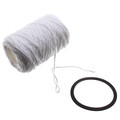
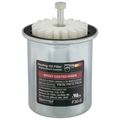
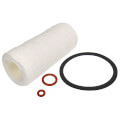
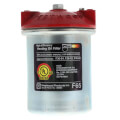

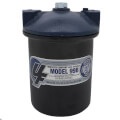
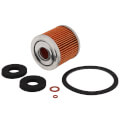
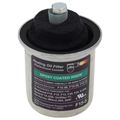

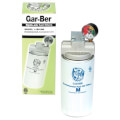
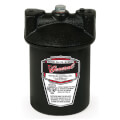
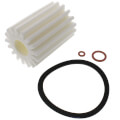

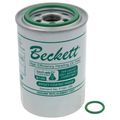
Oil Filters trap the metal particles, carbon, and contaminants that build up in engine oil, protecting bearings, cylinder walls, and other close-tolerance parts from abrasive wear. Every filter on the market runs on a full-flow design, meaning all of the oil leaving the pump passes through the filter media before reaching the engine, which makes filter quality a direct factor in engine longevity. Filter media varies by product line: cellulose and resin blends handle everyday driving and shorter service intervals, synthetic-blend media stretches service life further, and hybridized synthetic fiber media is built to go the distance with full-synthetic oil, with some lines rated for service intervals up to 20,000 miles. Spin-on filters, a format that dates back to 1954, thread directly onto the engine block as a self-contained steel canister, making replacement quick and mess-limited. Matching filter media to oil type and mileage interval keeps an engine protected between service visits.
Subcategories
- Synthetic Fiber Filters: Filters built with hybridized synthetic fiber media are engineered for extended service intervals, with some product lines rated for up to 20,000 miles when paired with full-synthetic motor oil. The fiber structure captures fine particles without restricting flow as much as denser cellulose media. Fleet operators and shops running longer oil change intervals reach for this tier first. The extended-mileage rating only holds when full-synthetic oil is used in the engine.
- Synthetic-Blend Filters: Synthetic-blend filters use a media blend rated for up to 15,000 miles of service, sitting between economy cellulose filters and full-synthetic-rated options. The blend suits synthetic and synthetic-blend motor oils on standard to extended oil change intervals. Shops stock this tier as the default recommendation for most daily-driven vehicles. It balances filtration performance against cost without stepping up to the longest-rated synthetic fiber media.
- Cellulose and Resin Filters: Cellulose and resin filter media covers everyday driving conditions and shorter service intervals, typically rated around 10,000 miles. The construction costs less to produce than synthetic media, making it the standard choice paired with conventional oil changes. Quick-lube shops and standard maintenance visits commonly use this grade since most vehicles on a conventional oil change schedule don't need extended-mileage filtration. It remains a reliable option as long as the service interval matches the rating.
- Spin-On Format Filters: Spin-on filters package the filter element inside a sealed steel canister that threads directly onto a mounting boss on the engine block. The format dates back to 1954 and remains the most common oil filter style because it installs and removes without exposing the technician to loose media or extra seals. Any of the media tiers, cellulose, synthetic-blend, or synthetic fiber, can be built into a spin-on canister. The self-contained design keeps a shop's disposal process simple since the whole unit gets replaced as one piece.
Buying Guide
Matching the filter to the vehicle starts with confirming the correct thread size, since a spin-on filter that doesn't match the engine's mounting boss thread and pitch won't seal properly and can strip the threads on installation. A cross-reference by vehicle year, make, and engine size is the safest way to confirm fit before ordering. Once fit is settled, filter media becomes the next decision, and it should track the oil being used rather than personal preference. Conventional oil pairs well with cellulose and resin media rated for shorter, roughly 10,000-mile intervals. Synthetic-blend oil calls for a synthetic-blend filter rated closer to 15,000 miles, and full-synthetic oil on an extended-interval schedule gets the most value from a hybridized synthetic fiber filter rated up to 20,000 miles. Oil Filters rated below the actual oil change interval risk clogging and triggering the bypass valve, which lets unfiltered oil reach the engine, so matching the rating to the real-world interval matters more than defaulting to the cheapest option on the shelf. Gasket condition deserves a final check at install: a damaged or improperly seated gasket is one of the most common causes of an oil leak after a filter change, regardless of which media tier gets chosen. Keeping a shop stocked across all three media tiers and common thread sizes covers most passenger vehicle and light truck work without a parts-store run mid-job.
Frequently Asked Questions
What's the difference between a spin-on and cartridge oil filter?
A spin-on filter packages the media inside a sealed steel canister that threads directly onto the engine, and the entire unit gets replaced during service. A cartridge filter is just the filter element, which drops into a reusable housing that stays on the engine, so only the element and its seals get replaced.
How long does a synthetic oil filter last compared to a standard filter?
Filters built with hybridized synthetic fiber media are rated for up to 20,000 miles when paired with full-synthetic oil, compared to roughly 10,000 miles for cellulose and resin media and up to 15,000 miles for synthetic-blend media. The rating only holds when the oil type matches the filter's intended service interval.
Does oil filter thread size need to match exactly?
Thread diameter and pitch both need to match the engine's mounting boss, since a mismatched filter can cross-thread on installation, damage the mounting threads, or fail to seal against the gasket. A cross-reference by vehicle year, make, and engine confirms the correct thread before a filter goes on the shelf.
What causes an oil leak right after a filter change?
A damaged, missing, or improperly seated gasket is one of the most common causes of a post-service oil leak, regardless of filter brand or media type. Confirming the old gasket came off with the old filter, and that the new gasket is lightly oiled and seated evenly, prevents most leaks.
Which oil filter media tier fits a standard oil change interval?
Cellulose and resin media covers standard oil change intervals around 10,000 miles and pairs with conventional motor oil. Vehicles running synthetic or synthetic-blend oil on longer intervals get better value from a synthetic-blend or synthetic fiber filter rated to match that extended mileage.
