




PEX Crimp Valves
PEX Crimp Valves are shutoff, balancing, and specialty valves designed to connect directly to PEX tubing. They use a crimp ring and copper crimp fitting rather than a threaded or push-fit connection. The crimp connection method matches the same tooling and rings used for standard PEX crimp fittings. A plumber already set up for PEX crimp work doesn't need separate equipment to install these valves.
The category covers balancing valves, ball valves, boiler drains, check valves, and isolation valve flanges built for PEX crimp connections. They are organized here by valve function rather than by pipe size. Picking the correct crimp ring size for the valve's PEX inlet and outlet is the main compatibility point to check before installation.




Subcategories
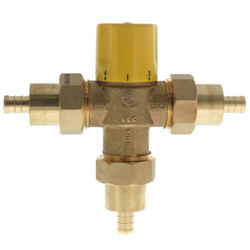
- PEX Crimp Balancing Valves: PEX Crimp Balancing Valves regulate flow between multiple branches of a hydronic system, such as radiant heat loops, so each zone receives a proportional share of total flow. They crimp directly onto PEX tubing at both the inlet and outlet.
- PEX Crimp Ball Valves: PEX Crimp Ball Valves provide a full-flow shutoff point directly on a PEX run, using a quarter-turn handle for quick open and close operation. They're a common addition at fixture supply lines and zone isolation points.
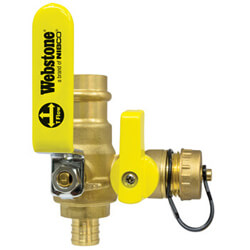
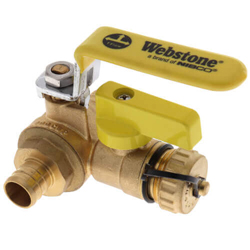
- PEX Crimp Ball Valves w/ Drain: PEX Crimp Ball Valves w/ Drain combine a standard shutoff ball valve with a small drain port. A technician can isolate a section of line and then drain it without cutting into the pipe. The drain port typically accepts a standard hose or drain cap.
- PEX Crimp Boiler Drains: PEX Crimp Boiler Drains give a dedicated drain point on a hydronic system for draining a boiler loop or flushing sediment. They connect directly to PEX tubing via the crimp method. They're typically installed at the lowest point of a loop for complete drainage.
- PEX Crimp Check Valves: PEX Crimp Check Valves allow flow in one direction only. They prevent backflow in applications like recirculation loops or multi-zone systems, where water could otherwise flow backward through an inactive zone. They install inline using the same crimp connection as other valves in this category.
- PEX Crimp Isolation Valve Flanges: PEX Crimp Isolation Valve Flanges provide a mounting point for isolating a circulator pump or other component from the rest of a hydronic system during service. A pair is typically installed on either side of the component being isolated.
Buying Guide
Confirming the crimp ring size matches both the valve's connection size and the PEX tubing being used is the first step before ordering. Crimp valves are sized the same way as standard PEX crimp fittings. A mismatch between ring size and tubing diameter can prevent a watertight connection.
Valve function should drive the selection more than valve type alone. A straightforward shutoff calls for a standard ball valve. Systems needing drainage, backflow prevention, or flow balancing call for the specific valve built for that job, rather than a generic ball valve pressed into a role it wasn't designed for.
Pressure and temperature ratings vary by valve type and material. Checking a valve's rated operating range against the system it's going into avoids a valve that's underrated for the application. This matters most for hydronic heating applications, which run hotter than typical domestic water lines.
Access for future service matters when placing a PEX crimp valve. The crimp connection method makes a valve harder to remove and replace than a threaded or union-style fitting would be. Locating shutoff and isolation valves somewhere accessible reduces the work needed the next time service is required.
A dedicated PEX crimp tool sized for the ring being used is required for proper installation. Mixing crimp tools or rings from different systems isn't recommended, since ring geometry and required crimp force vary between manufacturers.
Frequently Asked Questions
Do PEX crimp valves need special tools to install?
Yes. PEX crimp valves install with the same crimp tool and rings used for standard PEX crimp fittings. A plumber already equipped for PEX crimp work doesn't need separate tools.
What's the difference between a PEX crimp ball valve and one with a drain?
A standard ball valve only shuts off flow. A drain-equipped version adds a small port that lets a section of line be drained after it's isolated, without cutting into the pipe.
Can a PEX crimp check valve be installed in any orientation?
Check valves are directional and typically marked with a flow arrow on the body. Orientation needs to match the intended direction of flow for the valve to function correctly.
Why would a hydronic system need a boiler drain valve instead of a standard ball valve?
A boiler drain provides a dedicated low-point connection sized for hose or drain cap attachment. This makes draining or flushing a loop more practical than trying to do it through a standard ball valve.
Are PEX crimp rings interchangeable between manufacturers?
Ring geometry and the crimp force required can vary between manufacturers. Using the ring and tool combination specified for a given valve is recommended over mixing components from different systems.
Resources
Subcategories
- PEX Crimp Balancing Valves: PEX Crimp Balancing Valves regulate flow between multiple branches of a hydronic system, such as radiant heat loops, so each zone receives a proportional share of total flow. They crimp directly onto PEX tubing at both the inlet and outlet.
- PEX Crimp Ball Valves: PEX Crimp Ball Valves provide a full-flow shutoff point directly on a PEX run, using a quarter-turn handle for quick open and close operation. They're a common addition at fixture supply lines and zone isolation points.
- PEX Crimp Ball Valves w/ Drain: PEX Crimp Ball Valves w/ Drain combine a standard shutoff ball valve with a small drain port. A technician can isolate a section of line and then drain it without cutting into the pipe. The drain port typically accepts a standard hose or drain cap.
- PEX Crimp Boiler Drains: PEX Crimp Boiler Drains give a dedicated drain point on a hydronic system for draining a boiler loop or flushing sediment. They connect directly to PEX tubing via the crimp method. They're typically installed at the lowest point of a loop for complete drainage.
- PEX Crimp Check Valves: PEX Crimp Check Valves allow flow in one direction only. They prevent backflow in applications like recirculation loops or multi-zone systems, where water could otherwise flow backward through an inactive zone. They install inline using the same crimp connection as other valves in this category.
- PEX Crimp Isolation Valve Flanges: PEX Crimp Isolation Valve Flanges provide a mounting point for isolating a circulator pump or other component from the rest of a hydronic system during service. A pair is typically installed on either side of the component being isolated.
Buying Guide
Confirming the crimp ring size matches both the valve's connection size and the PEX tubing being used is the first step before ordering. Crimp valves are sized the same way as standard PEX crimp fittings. A mismatch between ring size and tubing diameter can prevent a watertight connection.
Valve function should drive the selection more than valve type alone. A straightforward shutoff calls for a standard ball valve. Systems needing drainage, backflow prevention, or flow balancing call for the specific valve built for that job, rather than a generic ball valve pressed into a role it wasn't designed for.
Pressure and temperature ratings vary by valve type and material. Checking a valve's rated operating range against the system it's going into avoids a valve that's underrated for the application. This matters most for hydronic heating applications, which run hotter than typical domestic water lines.
Access for future service matters when placing a PEX crimp valve. The crimp connection method makes a valve harder to remove and replace than a threaded or union-style fitting would be. Locating shutoff and isolation valves somewhere accessible reduces the work needed the next time service is required.
A dedicated PEX crimp tool sized for the ring being used is required for proper installation. Mixing crimp tools or rings from different systems isn't recommended, since ring geometry and required crimp force vary between manufacturers.
Frequently Asked Questions
Do PEX crimp valves need special tools to install?
Yes. PEX crimp valves install with the same crimp tool and rings used for standard PEX crimp fittings. A plumber already equipped for PEX crimp work doesn't need separate tools.
What's the difference between a PEX crimp ball valve and one with a drain?
A standard ball valve only shuts off flow. A drain-equipped version adds a small port that lets a section of line be drained after it's isolated, without cutting into the pipe.
Can a PEX crimp check valve be installed in any orientation?
Check valves are directional and typically marked with a flow arrow on the body. Orientation needs to match the intended direction of flow for the valve to function correctly.
Why would a hydronic system need a boiler drain valve instead of a standard ball valve?
A boiler drain provides a dedicated low-point connection sized for hose or drain cap attachment. This makes draining or flushing a loop more practical than trying to do it through a standard ball valve.
Are PEX crimp rings interchangeable between manufacturers?
Ring geometry and the crimp force required can vary between manufacturers. Using the ring and tool combination specified for a given valve is recommended over mixing components from different systems.