




Filters
SORT
Product Availability –
Brand –
Size –
Application –
Flow Capacity (Cv) –
Max Pressure (PSI) –
Max Temp (F) –
Connection Method –
Review Score –
 --%3E %3Csvg version='1.1' id='Fill' xmlns='http://www.w3.org/2000/svg' xmlns:xlink='http://www.w3.org/1999/xlink' x='0px' y='0px' viewBox='0 0 100 100' enable-background='new 0 0 100 100' xml:space='preserve'%3E %3Cpath fill='%23F15C02' d='M79.44,0.95H20.56C9.78,0.95,0.95,9.78,0.95,20.56v58.87c0,10.79,8.82,19.61,19.61,19.61h58.87 c10.79,0,19.61-8.83,19.61-19.61V20.56C99.05,9.78,90.22,0.95,79.44,0.95z M65.38,58.24l9.38,29.58L49.69,69.78L24.5,87.82 l9.34-29.6L8.8,39.6l30.73-0.17c0,0,6.98-19.61,10-28.93c0.54,1.36,9.88,29.1,9.88,29.1H91.2L65.38,58.24z'/%3E %3C/svg%3E)
Price Range –
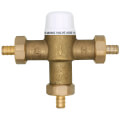
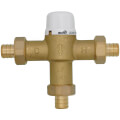
PEX Crimp Mixing Valves


 --%3E %3Csvg version='1.1' id='Half' xmlns='http://www.w3.org/2000/svg' xmlns:xlink='http://www.w3.org/1999/xlink' x='0px' y='0px' viewBox='0 0 100 100' enable-background='new 0 0 100 100' xml:space='preserve'%3E %3Cg%3E %3Cpath fill='%23F15C02' d='M30.05,70.23l3.79-12.01L8.8,39.6l30.73-0.17c0,0,6.98-19.61,10-28.93c0.54,1.36,9.88,29.1,9.88,29.1h1.58 L93.71,7.18c-3.58-3.82-8.66-6.23-14.28-6.23H20.56C9.78,0.95,0.95,9.78,0.95,20.56v58.87c0,5.41,2.22,10.32,5.79,13.88 L30.05,70.23z'/%3E %3C/g%3E %3Cpath fill='%23FBC8B4' d='M93.71,7.18L60.98,39.6H91.2L65.38,58.24l9.38,29.58L49.69,69.78L24.5,87.82l5.55-17.59L6.75,93.32 c3.55,3.54,8.44,5.73,13.82,5.73h58.87c10.79,0,19.61-8.83,19.61-19.61V20.56C99.05,15.4,97.01,10.69,93.71,7.18z'/%3E %3C/svg%3E)


 --%3E %3Csvg version='1.1' id='No-RB' xmlns='http://www.w3.org/2000/svg' xmlns:xlink='http://www.w3.org/1999/xlink' x='0px' y='0px' viewBox='0 0 100 100' enable-background='new 0 0 100 100' xml:space='preserve'%3E %3Cpath fill='%23CECECE' d='M79.44,0.95H20.56C9.78,0.95,0.95,9.78,0.95,20.56v58.87c0,10.79,8.82,19.61,19.61,19.61h58.87 c10.79,0,19.61-8.83,19.61-19.61V20.56C99.05,9.78,90.22,0.95,79.44,0.95z M65.38,58.24l9.38,29.58L49.69,69.78L24.5,87.82 l9.34-29.6L8.8,39.6l30.73-0.17c0,0,6.98-19.61,10-28.93c0.54,1.36,9.88,29.1,9.88,29.1H91.2L65.38,58.24z'/%3E %3C/svg%3E)


PEX Crimp Mixing Valves are thermostatic or manual valves that blend hot and cold water lines using PEX crimp connections on the inlet and outlet ports. Plumbers install them in domestic hot water systems to deliver a tempered water supply at a fixed temperature, reducing scald risk at fixtures or protecting a tankless water heater from running at an unnecessarily high storage temperature. The crimp connection uses a copper ring crimped over PEX tubing with a calibrated crimp tool, the same method used on standard PEX crimp fittings elsewhere in a system. Thermostatic versions include an internal element that adjusts the hot and cold water blend automatically as inlet temperatures shift, holding the outlet close to a set point. Mixing valves in this category commonly serve point of use fixtures, whole house tempering after a water heater, or recirculation loops where consistent delivery temperature matters.
Subcategories
- Thermostatic PEX Crimp Mixing Valves: These valves use an internal thermostatic element that automatically adjusts the ratio of hot to cold water entering the valve, holding the outlet temperature close to a set point even as supply temperatures fluctuate. Plumbers install them after a water heater to deliver a consistent tempered supply throughout a home, which matters most in systems where the storage tank runs hotter than what is safe at the tap. The thermostatic element responds within a narrow range, generally reacting to temperature swings faster than a manually set valve can be adjusted by hand. This style is common on whole house tempering applications and recirculation loops.
- Manual PEX Crimp Mixing Valves: Manual mixing valves rely on a fixed dial or adjustable set screw rather than an internal thermostatic element, so the blend ratio stays constant until someone changes the setting by hand. Installers use this style for lower cost point of use applications where precise automatic temperature control is not required. Because there is no moving thermostatic component, these valves have fewer parts that can wear out over the life of the system. This style suits simple two fixture setups more than whole house tempering.
- Low Lead PEX Crimp Mixing Valves: Low lead mixing valves use a bronze or brass body formulated to meet lead content restrictions for potable water applications, a requirement in most jurisdictions for any fitting that touches drinking water. Plumbers working on domestic water systems, as opposed to closed loop heating systems, need this compliance regardless of whether the valve is thermostatic or manual. The lead restriction applies to the wetted surface of the valve body, not the crimp rings or PEX tubing connected to it. Checking for a low lead certification mark on the valve body confirms compliance before installation.
- Point of Use PEX Crimp Mixing Valves: Point of use mixing valves are sized for a single fixture or small group of fixtures rather than an entire home's hot water distribution. Plumbers install them close to a specific sink, shower, or appliance that needs a tempered supply different from the rest of the house, such as a laundry connection or a fixture serving a household member sensitive to scald risk. Smaller body sizes and lower flow ratings than whole house valves keep the fitting compact enough for tight cabinet or wall spaces. This style pairs well with manual mixing valves in simpler installations.
Buying Guide
Deciding between a thermostatic and manual PEX crimp mixing valve comes down to how much the incoming water temperature is expected to vary. A thermostatic valve holds the outlet temperature steady even as supply conditions shift, which matters most on whole house tempering applications downstream of a water heater set higher than what is safe at the tap. A manual valve works fine for simpler point of use jobs where the blend ratio can be set once and left alone. Confirm the crimp ring size matches the PEX tubing diameter already run to the valve location, since crimp connections need a calibrated tool sized to the specific ring being used. For any fitting touching a potable water system, check for a low lead certification mark on the valve body, a requirement that applies regardless of whether the valve is thermostatic or manual. Flow rating matters too, since a valve sized for a single fixture will not keep up with a whole house recirculation loop, so matching the valve's rated flow to the number of fixtures it serves avoids a pressure drop at peak demand. Where a valve will see frequent adjustment, such as a shared bathroom fixture, a thermostatic model with an accessible temperature dial makes more sense than a manual valve that requires tools to readjust. Reviewing the rest of the system's connection types before ordering also confirms PEX crimp is the right connection style rather than PEX press or compression.
Frequently Asked Questions
What is the difference between a thermostatic and manual PEX crimp mixing valve?
A thermostatic valve uses an internal element to automatically adjust the hot and cold water blend as supply temperatures change, holding the outlet close to a set point. A manual valve uses a fixed dial or set screw instead, so the blend stays the same until it is adjusted by hand. Thermostatic valves suit whole house tempering, while manual valves work fine for simpler point of use jobs.
Do PEX crimp mixing valves need to be low lead certified?
Yes, for any potable water application the valve body needs to meet low lead requirements, which is a separate consideration from whether the valve is thermostatic or manual. Closed loop heating systems that never contact drinking water do not carry the same requirement. Checking for a low lead certification mark on the valve body before installation confirms compliance.
What crimp tool is needed to install a PEX crimp mixing valve?
A calibrated PEX crimp tool sized to match the crimp ring diameter is needed, the same tool used for standard PEX crimp fittings elsewhere in a system. Using a tool that is not properly calibrated for the ring size can result in an incomplete crimp and a connection prone to leaking. Checking the tool's calibration before starting a job is standard practice regardless of fitting brand.
Can a PEX crimp mixing valve be used for whole house water tempering?
Yes, thermostatic PEX crimp mixing valves are commonly installed just downstream of a water heater to temper the entire home's hot water supply to a safer delivery temperature. This setup is especially common where the water heater's storage temperature is set higher than what is safe at fixtures, whether for legionella control or recovery time reasons. A manual valve is not typically recommended for this application since it will not adjust automatically as demand shifts.
How is the outlet temperature adjusted on a thermostatic mixing valve?
Most thermostatic mixing valves have an adjustable dial or cap that changes the target outlet temperature, which the internal thermostatic element then maintains automatically. Adjustment typically requires a small tool or cap removal to prevent accidental changes by household members. Testing the outlet temperature at the nearest fixture after any adjustment confirms the new setting is delivering the expected result.
