




Filters
SORT
Product Availability –
Category –
Connection Size –
Connection Type –
Position –
Review Score –
 --%3E %3Csvg version='1.1' id='Fill' xmlns='http://www.w3.org/2000/svg' xmlns:xlink='http://www.w3.org/1999/xlink' x='0px' y='0px' viewBox='0 0 100 100' enable-background='new 0 0 100 100' xml:space='preserve'%3E %3Cpath fill='%23F15C02' d='M79.44,0.95H20.56C9.78,0.95,0.95,9.78,0.95,20.56v58.87c0,10.79,8.82,19.61,19.61,19.61h58.87 c10.79,0,19.61-8.83,19.61-19.61V20.56C99.05,9.78,90.22,0.95,79.44,0.95z M65.38,58.24l9.38,29.58L49.69,69.78L24.5,87.82 l9.34-29.6L8.8,39.6l30.73-0.17c0,0,6.98-19.61,10-28.93c0.54,1.36,9.88,29.1,9.88,29.1H91.2L65.38,58.24z'/%3E %3C/svg%3E)
Price Range –
Parker Hannifin Solenoid Valves


 --%3E %3Csvg version='1.1' id='No-RB' xmlns='http://www.w3.org/2000/svg' xmlns:xlink='http://www.w3.org/1999/xlink' x='0px' y='0px' viewBox='0 0 100 100' enable-background='new 0 0 100 100' xml:space='preserve'%3E %3Cpath fill='%23CECECE' d='M79.44,0.95H20.56C9.78,0.95,0.95,9.78,0.95,20.56v58.87c0,10.79,8.82,19.61,19.61,19.61h58.87 c10.79,0,19.61-8.83,19.61-19.61V20.56C99.05,9.78,90.22,0.95,79.44,0.95z M65.38,58.24l9.38,29.58L49.69,69.78L24.5,87.82 l9.34-29.6L8.8,39.6l30.73-0.17c0,0,6.98-19.61,10-28.93c0.54,1.36,9.88,29.1,9.88,29.1H91.2L65.38,58.24z'/%3E %3C/svg%3E)
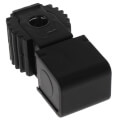
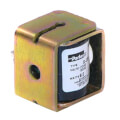

Parker Hannifin solenoid valves control the flow of refrigerant, water, or other fluids in HVAC and refrigeration systems by using an electromagnetic coil to open or close a valve port on command. Parker Hannifin has built industrial and commercial control valves for decades, and its solenoid valve lines are used in applications ranging from commercial refrigeration racks to hydronic zoning.
A solenoid valve gives a system a way to start and stop flow electronically, without a technician manually operating a shutoff, which makes it a building block for automated controls, defrost cycles, and zoned heating or cooling. Selecting the right valve means matching pipe size, pressure rating, and the specific fluid being controlled, since a valve built for refrigerant service uses different seal materials than one built for water.
Subcategories
- Refrigerant Solenoid Valves: Refrigerant solenoid valves control the flow of refrigerant through a system's liquid or suction lines, commonly used to isolate sections of a commercial refrigeration rack or to manage defrost cycles. They use seal materials and internal components rated for refrigerant compatibility and the pressures found in refrigeration circuits. These valves are typically installed with the coil oriented per the manufacturer's instructions, since orientation affects how reliably the plunger seats.
- Water and General Purpose Solenoid Valves: Water and general purpose solenoid valves handle non-refrigerant fluids in hydronic heating, zoning, and general industrial applications. They're built with seal materials suited to water service rather than refrigerant, and they typically operate at lower pressure ratings than their refrigerant counterparts. These valves are a common component in zoned hydronic systems, where each zone gets its own valve to control flow independently.
- Solenoid Valve Coils: Coils are the replaceable electromagnetic component that energizes a solenoid valve, offered in a range of voltages and mounting configurations to match different valve bodies and control systems. A coil that fails from age, voltage mismatch, or moisture intrusion can typically be replaced on its own, without removing the valve body from the line.
- Solenoid Valve Repair Kits: Repair kits bundle the internal wear parts, such as diaphragms, seats, and seals, needed to rebuild a Parker Hannifin solenoid valve without replacing the entire body. Matching a repair kit to the exact valve model keeps the rebuilt components sealing correctly, since internal parts are sized to a specific valve design.
Buying Guide
Selecting a Parker Hannifin solenoid valve starts with confirming what fluid it will control, since refrigerant, water, and general industrial applications each call for different seal materials and pressure ratings. Installing a water-rated valve in a refrigerant line, or the reverse, risks a seal failure that a matched valve would not have.
Pipe size and connection type need to match the existing line, and pressure rating should meet or exceed the system's maximum operating pressure with a reasonable margin, rather than sitting right at the edge of the valve's rated capacity. Voltage and coil type should also match the control system driving the valve, since a mismatched coil either won't activate reliably or will draw more current than intended.
Valve orientation matters more than it might seem. Many solenoid valves are designed to operate in a specific mounting position, most often coil-up, to keep the internal plunger seating correctly under gravity. Installing a valve on its side or upside down against the manufacturer's guidance can lead to inconsistent operation even when every other spec is matched correctly.
For systems already in service, keeping a small stock of the specific coil voltages and repair kits used across a route cuts down on emergency sourcing when a valve fails in the field, since exact-match parts are not always available on short notice.
Frequently Asked Questions
What's the difference between a refrigerant solenoid valve and a water solenoid valve?
The main difference is seal material and pressure rating. Refrigerant valves use seals compatible with refrigerant oils and the pressures found in refrigeration circuits, while water valves are built for lower-pressure, non-refrigerant service. Using the wrong type in the wrong application risks a seal failure.
Does the orientation of a solenoid valve matter during installation?
Yes, for many models. Most solenoid valves are designed to mount with the coil facing up, since that orientation keeps the internal plunger seating correctly under gravity. Installing one in an unsupported orientation can cause it to operate inconsistently even if every other spec matches the application.
Can a solenoid valve coil be replaced without replacing the whole valve?
In most cases, yes. Coils are a separate, replaceable component from the valve body, so a coil that fails from age or a voltage mismatch can usually be swapped out on its own, as long as the replacement coil matches the original's voltage and mounting style.
How do I know what pressure rating a solenoid valve needs?
The valve's rated pressure should meet or exceed the maximum operating pressure of the system it's installed in, with some margin rather than sitting at the exact limit. Checking the system's operating pressure before selecting a valve avoids choosing one that's rated too close to the edge.
What's included in a solenoid valve repair kit?
A typical kit includes the internal wear parts that fail from repeated cycling, such as the diaphragm, seat, and seals, bundled together so a technician can rebuild the valve in a single service visit rather than sourcing each part separately.
