




Filters
SORT
Product Availability –
Brand –
Review Score –
 --%3E %3Csvg version='1.1' id='Fill' xmlns='http://www.w3.org/2000/svg' xmlns:xlink='http://www.w3.org/1999/xlink' x='0px' y='0px' viewBox='0 0 100 100' enable-background='new 0 0 100 100' xml:space='preserve'%3E %3Cpath fill='%23F15C02' d='M79.44,0.95H20.56C9.78,0.95,0.95,9.78,0.95,20.56v58.87c0,10.79,8.82,19.61,19.61,19.61h58.87 c10.79,0,19.61-8.83,19.61-19.61V20.56C99.05,9.78,90.22,0.95,79.44,0.95z M65.38,58.24l9.38,29.58L49.69,69.78L24.5,87.82 l9.34-29.6L8.8,39.6l30.73-0.17c0,0,6.98-19.61,10-28.93c0.54,1.36,9.88,29.1,9.88,29.1H91.2L65.38,58.24z'/%3E %3C/svg%3E)
 --%3E %3Csvg version='1.1' id='With-RB' xmlns='http://www.w3.org/2000/svg' xmlns:xlink='http://www.w3.org/1999/xlink' x='0px' y='0px' viewBox='0 0 100 100' enable-background='new 0 0 100 100' xml:space='preserve'%3E %3Cpath fill='%23FBC8B4' d='M79.44,0.95H20.56C9.78,0.95,0.95,9.78,0.95,20.56v58.87c0,10.79,8.82,19.61,19.61,19.61h58.87 c10.79,0,19.61-8.83,19.61-19.61V20.56C99.05,9.78,90.22,0.95,79.44,0.95z M65.38,58.24l9.38,29.58L49.69,69.78L24.5,87.82 l9.34-29.6L8.8,39.6l30.73-0.17c0,0,6.98-19.61,10-28.93c0.54,1.36,9.88,29.1,9.88,29.1H91.2L65.38,58.24z'/%3E %3C/svg%3E)
Price Range –
Parts

 --%3E %3Csvg version='1.1' id='No-RB' xmlns='http://www.w3.org/2000/svg' xmlns:xlink='http://www.w3.org/1999/xlink' x='0px' y='0px' viewBox='0 0 100 100' enable-background='new 0 0 100 100' xml:space='preserve'%3E %3Cpath fill='%23CECECE' d='M79.44,0.95H20.56C9.78,0.95,0.95,9.78,0.95,20.56v58.87c0,10.79,8.82,19.61,19.61,19.61h58.87 c10.79,0,19.61-8.83,19.61-19.61V20.56C99.05,9.78,90.22,0.95,79.44,0.95z M65.38,58.24l9.38,29.58L49.69,69.78L24.5,87.82 l9.34-29.6L8.8,39.6l30.73-0.17c0,0,6.98-19.61,10-28.93c0.54,1.36,9.88,29.1,9.88,29.1H91.2L65.38,58.24z'/%3E %3C/svg%3E)

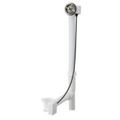
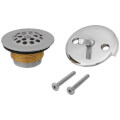
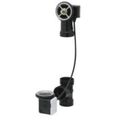
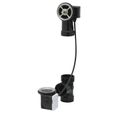
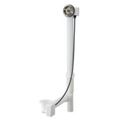
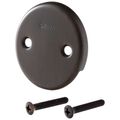
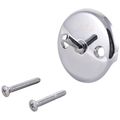

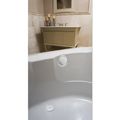
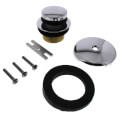
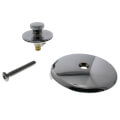
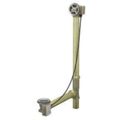
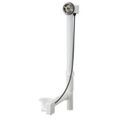
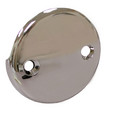
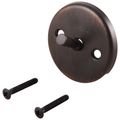
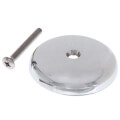
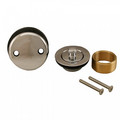
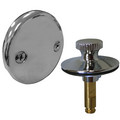
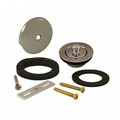
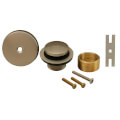


Parts in this category cover the individual replacement components for bath waste and overflow kits, the drain assemblies that control water flow and overflow protection in a bathtub. Plumbers and remodeling contractors turn to this selection when a stopper linkage seizes, an overflow plate cracks, or a trip lever mechanism stops holding water, rather than replacing an entire waste kit. Components are sized to fit the drain and overflow openings on standard residential bathtubs, matching the most common tub configurations installed today. Finishes usually match the chrome, brushed nickel, oil rubbed bronze, and matte black options carried across full waste kit lines, so a technician can source a single failed part instead of swapping the whole assembly. Stocking a range of these parts on the truck cuts down on repeat visits for straightforward drain repairs. Getting the right part means confirming the waste kit brand and mechanism type before ordering, since linkage lengths and thread patterns vary between manufacturers.
Subcategories
- Trip Lever Assemblies: Trip lever assemblies are the lever and linkage mechanism mounted on the overflow plate that raises and lowers the drain stopper inside the tube. Plumbers replace these when the lever no longer holds the stopper in the closed position or the linkage has corroded. Assemblies are sized to the drop length of the overflow tube, so measuring the existing part before ordering helps confirm fit. Most assemblies use a brass or zinc alloy construction to resist corrosion in a wet cavity.
- Overflow Plates: Overflow plates are the visible cover installed over the tub overflow opening, typically secured with two screws into the overflow tube. Remodelers replace these plates to match new finish hardware or after a cracked plate lets water leak behind the tub wall. Plates come in round and oval shapes to match the overflow opening on the specific tub model. Matching plate finish to the faucet and drain trim keeps the finished look consistent across the bathroom.
- Drain Stoppers: Drain stoppers are the mechanical or push button plug that seals the tub drain to hold bathwater. Contractors stock both lift and turn and toe touch stopper styles since tub drain assemblies use different mechanisms depending on the original manufacturer. A worn or pitted stopper is one of the most common reasons a tub will not hold water even when the trip lever mechanism is functioning correctly. Rubber or silicone seals inside the stopper body wear out faster than the metal housing and often need replacement first.
- Linkage & Cotter Pins: Linkage and cotter pins connect the trip lever to the stopper mechanism inside the overflow tube and allow the lever to raise and lower the drain plug. Technicians replace these small parts when a trip lever moves freely but the stopper no longer responds, a sign the linkage has disconnected or corroded through. Pins and linkage rods are sold in standard lengths that fit most residential overflow tube depths. Keeping a small assortment of these parts on hand avoids a full waste kit replacement for what is often a five minute repair.
Buying Guide
Choosing the right replacement part for a bath waste kit starts with identifying what actually failed: a lever that will not hold, a stopper that will not seal, or a cracked overflow plate. Confirm the drain and overflow opening size on the existing tub before ordering, since aftermarket components are built to fit standard configurations but variances between older and newer tub models still show up on job sites. Matching the finish to existing tub trim matters for finished remodels, while base metal construction matters more for rental properties and commercial jobs where corrosion resistance under repeated use is the priority.
When working through this category of Parts, contractors get the best results by replacing the failed component rather than the entire kit whenever the rest of the assembly is in good condition, saving both material cost and labor time on the call. Trip lever assemblies and linkage kits solve the majority of no hold water complaints, while stopper and overflow plate replacements address cosmetic damage or wear. Keeping a small stock of the most common finish and mechanism combinations on hand pays off, since bath waste repairs are frequently same day requests. For older tubs where the original manufacturer is unknown, bringing the failed part along to compare thread pattern and linkage length against new stock avoids an extra trip back to source the correct part.
Frequently Asked Questions
How do I know if the trip lever or the stopper is causing a tub drain to leak?
Testing starts by removing the stopper and running water with the trip lever in the closed position. If water still drains, the stopper seal is worn and needs replacement. If the tub holds water without the stopper installed but the lever will not stay in the closed position on its own, the linkage inside the overflow tube has likely failed.
Do bath waste kit parts fit any brand of tub, or do they need to match the original manufacturer?
Most drain and overflow openings follow standard residential dimensions, so many parts fit across brands. Linkage length and thread pattern vary more between manufacturers, so bringing the old part for comparison, or noting the brand stamped on the overflow plate, helps confirm a match before ordering.
What is the difference between a lift and turn stopper and a trip lever mechanism?
A lift and turn stopper seals the drain directly at the tub floor and is operated by hand at the drain itself. A trip lever mechanism uses a lever on the overflow plate connected by internal linkage to a stopper that drops down inside the drain tube. Each style uses different replacement parts, so identifying which mechanism is installed is the first step in any repair.
Why does a tub trip lever move freely but the drain still will not hold water?
Free movement with no response at the drain usually means the linkage connecting the lever to the stopper has disconnected, corroded through, or come off its pin. Replacing the linkage and cotter pin, rather than the lever itself, typically resolves the issue.
How often do bath waste kit parts need replacement?
Metal housings and levers can last for many years, but rubber and silicone seals inside stoppers wear faster and are often the first component to fail. Replacing worn seals and linkage as they show signs of wear extends the service life of the rest of the kit without a full replacement.
