




Python Line Set Fittings

 --%3E %3Csvg version='1.1' id='Fill' xmlns='http://www.w3.org/2000/svg' xmlns:xlink='http://www.w3.org/1999/xlink' x='0px' y='0px' viewBox='0 0 100 100' enable-background='new 0 0 100 100' xml:space='preserve'%3E %3Cpath fill='%23F15C02' d='M79.44,0.95H20.56C9.78,0.95,0.95,9.78,0.95,20.56v58.87c0,10.79,8.82,19.61,19.61,19.61h58.87 c10.79,0,19.61-8.83,19.61-19.61V20.56C99.05,9.78,90.22,0.95,79.44,0.95z M65.38,58.24l9.38,29.58L49.69,69.78L24.5,87.82 l9.34-29.6L8.8,39.6l30.73-0.17c0,0,6.98-19.61,10-28.93c0.54,1.36,9.88,29.1,9.88,29.1H91.2L65.38,58.24z'/%3E %3C/svg%3E)

 --%3E %3Csvg version='1.1' id='No-RB' xmlns='http://www.w3.org/2000/svg' xmlns:xlink='http://www.w3.org/1999/xlink' x='0px' y='0px' viewBox='0 0 100 100' enable-background='new 0 0 100 100' xml:space='preserve'%3E %3Cpath fill='%23CECECE' d='M79.44,0.95H20.56C9.78,0.95,0.95,9.78,0.95,20.56v58.87c0,10.79,8.82,19.61,19.61,19.61h58.87 c10.79,0,19.61-8.83,19.61-19.61V20.56C99.05,9.78,90.22,0.95,79.44,0.95z M65.38,58.24l9.38,29.58L49.69,69.78L24.5,87.82 l9.34-29.6L8.8,39.6l30.73-0.17c0,0,6.98-19.61,10-28.93c0.54,1.36,9.88,29.1,9.88,29.1H91.2L65.38,58.24z'/%3E %3C/svg%3E)

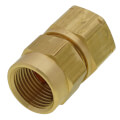
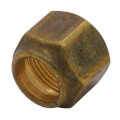
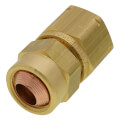
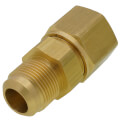

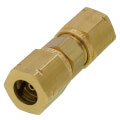
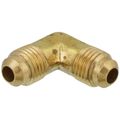
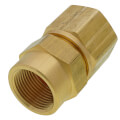
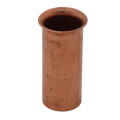
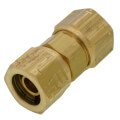
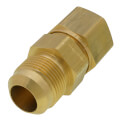
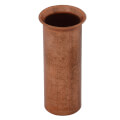
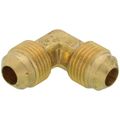

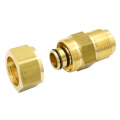
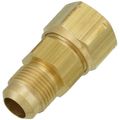
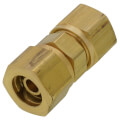
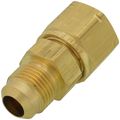
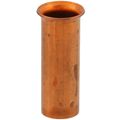
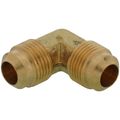
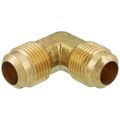
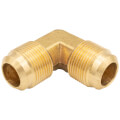
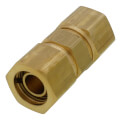
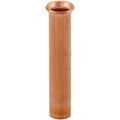
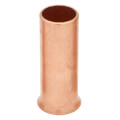
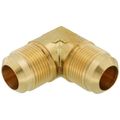
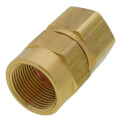

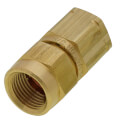
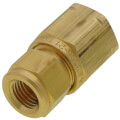
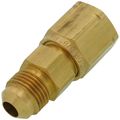
Python Line Set Fittings are brass compression connectors built for Python's PERT-AL-PERT refrigerant line set system, used on split system and mini-split HVAC installations. Each fitting locks onto the composite PERT-AL-PERT tubing without a torch, brazing, or specialty press tools, so a tech can complete a refrigerant connection with standard hand tools. The lineup spans male, female, and coupler compression assemblies along with flare nuts and copper stubs for transitioning to equipment connections, covering sizes from 1/4 inch up to 7/8 inch. Solid brass construction stands up to field handling and repeated torque cycles during startup and service calls. Because mini-split and ductless systems keep expanding into retrofit and new-construction work alike, having a dependable, code-recognized fitting on hand speeds up rough-in and reduces callbacks tied to refrigerant leaks at the joint.
Subcategories
- Male Compression Fitting Assemblies: Male compression fitting assemblies thread onto outdoor condensing units and indoor air handlers where a male flare connection is required. Technicians use them to terminate the PERT-AL-PERT line at the equipment valve without soldering. The solid brass body and compression ring create a mechanical seal that holds under refrigerant pressure. Sizes run from 1/4 inch up to 3/4 inch to match common residential and light commercial line sets.
- Female Compression Fitting Assemblies: Female compression fitting assemblies mate with the equipment's male flare fitting on the opposite end of a line set run. Installers rely on them for the same no-torch, no-braze connection method as the male version. They're sized to match the male assemblies, from 1/4 inch through 3/4 inch, so a tech can stock matched pairs for common system tonnages. Brass construction resists corrosion in both indoor and outdoor locations.
- Coupler Compression Fitting Assemblies: Coupler compression fitting assemblies join two lengths of PERT-AL-PERT tubing in the middle of a run, which comes up on longer line set installations or repair jobs. A tech slides the coupler over both cut ends and tightens the nuts to form two compression seals in a single fitting. The 3/8 inch coupler is a common stock size for mini-split condensate and refrigerant runs. Using a coupler instead of a full replacement length saves material on long runs.
- Flare Nuts & Copper Stubs: Flare nuts and copper stubs give installers a way to transition from the compression fitting system to standard copper stub-outs on the equipment side. The copper stub provides a short, solid-copper section for brazing to existing refrigerant lines, while the flare nut finishes the mechanical connection. Both parts are sized to match the line set diameter, including 3/4 inch flare nuts and 7/8 inch copper stubs for larger tonnage systems. Keeping a few on hand covers retrofit jobs where equipment connections don't line up with standard PERT-AL-PERT fitting sizes.
Buying Guide
Start by matching fitting size to the line set diameter already run or specified for the job, since Python compression fittings are sized to the tubing's outer dimension rather than a generic pipe size. Confirm whether the equipment connection is male or female flare before pulling a fitting off the truck; grabbing the wrong gender means a second trip or an on-site brazing workaround that defeats the point of a no-torch system. For mid-run splices or repairs, a coupler fitting is usually faster than cutting in a full fitting pair, since Python Line Set Fittings let a tech join two tubing ends with a single compression assembly instead of two separate connections. Stock flare nuts and copper stubs separately from the compression assemblies, because retrofit and replacement jobs often need a transition piece that a straight male or female fitting can't provide. Check the fitting against the refrigerant and system pressure it will see, since compression joints depend on proper torque to seal, and over-tightening or under-tightening is the most common cause of a callback. Keep a small assortment across 1/4 inch through 3/4 inch sizes on the truck to cover common residential split systems and ductless mini-splits without a parts-house run mid-install. Brass construction holds up to repeated field handling, so these fittings are reasonable to keep as standard stock rather than special-order items.
Frequently Asked Questions
Do Python Line Set Fittings require brazing or a torch?
No. Python Line Set Fittings use a mechanical compression connection, so a technician tightens the fitting with standard hand tools instead of brazing the joint. Skipping the torch makes them useful on jobs where open flame isn't practical or allowed. The compression ring and brass body still form a seal rated for refrigerant service.
What sizes do Python Line Set Fittings come in?
Python Line Set Fittings are available from 1/4 inch through 7/8 inch, covering male, female, and coupler compression assemblies plus flare nuts and copper stubs. Sizing follows the outer diameter of the PERT-AL-PERT tubing rather than nominal copper pipe sizing. Matching fitting size to tubing size is required for the compression seal to hold.
What's the difference between a male and female compression fitting?
Male compression fitting assemblies terminate on one side of a line set connection and female assemblies terminate on the other, mirroring a standard flare connection. Which one a tech needs depends on the equipment's existing fitting on the condensing unit or air handler. Stocking both genders in common sizes avoids a mismatched connection on install day.
Can a coupler fitting repair a damaged section of line set?
Yes. A coupler compression fitting assembly joins two cut ends of PERT-AL-PERT tubing, which makes it a practical way to splice out a damaged section without replacing the full line set run. The fitting forms two compression seals, one on each end, in a single body. Coupler fittings are commonly stocked in 3/8 inch for mini-split applications.
Are Python Line Set Fittings made of brass?
Yes. Python compression fitting assemblies, couplers, and flare nuts are solid brass, which resists corrosion and holds up to repeated torque during installation and service. Brass construction is part of why these fittings don't require special press tools. Copper stubs pair with the brass fittings for equipment-side connections.
