




Radiators
Radiators are heat-emitting units that circulate hot water or steam from a boiler to warm a room, a heating method still common in older homes, multi-family buildings, and renovation projects across the Northeast and Midwest. Unlike forced-air systems, hydronic radiators deliver steady radiant and convective heat without moving dust or drying out indoor air, which is part of why plumbers and heating contractors continue to service and replace them rather than convert whole buildings to ductwork.
Contractors working on radiator jobs typically need more than the heat emitter itself. Baseboard covers, control valves, and the accessories that connect a radiator to existing supply and return piping all factor into a proper install or repair, and matching the right style and BTU output to the room keeps the finished system balanced and efficient.





Subcategories
- Air Valves: Manual and automatic air vents that release trapped air from hydronic heating loops, preventing air pockets that cause knocking noises and uneven heat distribution.
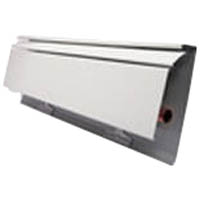
- Baseboard Heater Covers: Replacement covers for hydronic and electric baseboard heaters, used to refresh worn or damaged units without replacing the heating element itself.
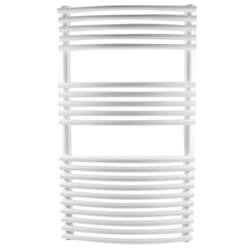
- Buderus Panel Radiators: Panel radiators from Buderus, a compact steel design suited to modern hydronic systems where wall space or a lower profile is a priority.
- Electric Baseboard Heaters: Electric baseboard heaters that plug into standard household circuits, an option for rooms without existing hydronic piping or as supplemental zone heat.
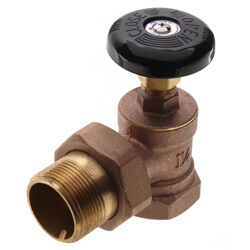
- Radiator Valves: Angle and straight valves used to control water flow to an individual radiator, letting a contractor balance heat output room by room.
- Runtal Baseboard Radiators: Cast-iron style baseboard radiators from Runtal, designed for hydronic systems where a traditional finned-tube profile is preferred.
Buying Guide
Sizing is the first decision on any radiator job. A unit's BTU output needs to match the heat loss of the room it serves, which depends on square footage, insulation, window area, and ceiling height, so contractors should run a heat loss calculation rather than swap in a same-size replacement by default.
Panel radiators and baseboard-style radiators serve different layouts. Panel units mount to a wall and work well where floor space is limited, while baseboard radiators run along the base of a wall and blend into a room's trim line, making them a common choice in renovations that are trying to preserve a traditional look.
Material affects both heat response and maintenance. Steel panel radiators heat up and cool down faster, which suits rooms that need quick temperature changes, while cast-iron style units hold heat longer and continue radiating warmth after the system cycles off, a trait some contractors and homeowners prefer for even, consistent comfort.
Valves and air vents are not optional extras. A radiator without a functioning air vent will trap air and knock or run cold at the top, and the wrong valve type can make it difficult to balance heat across multiple radiators fed from the same loop, so these components should be planned into the job from the start rather than added afterward.
Electric baseboard heaters are worth considering where hydronic piping does not already reach, such as a finished basement or an addition. They install faster since there is no boiler loop to extend, though they run on their own electrical circuit and operate independently of a home's central heating system.
Frequently Asked Questions
How do I know what size radiator a room needs?
Radiator sizing depends on the room's heat loss, which is affected by square footage, insulation level, window area, and ceiling height. A heat loss calculation for the specific room gives a more accurate BTU target than matching the size of an existing unit.
What is the difference between a panel radiator and a baseboard radiator?
A panel radiator mounts flat against a wall and takes up less floor space, while a baseboard radiator runs low along the wall line and blends into a room's trim, which many contractors prefer for renovation work in older homes.
Why does a hot water radiator make a knocking or gurgling noise?
Knocking or gurgling is usually trapped air in the loop. Bleeding the radiator through its air vent typically resolves the noise, and a malfunctioning or missing air vent is a common reason the problem returns.
Can electric baseboard heaters replace a hydronic system?
Electric baseboard heaters run independently on their own electrical circuit and do not require boiler piping, making them a practical option for a room or addition without existing hydronic lines, though they operate separately from a home's central heating system rather than replacing it outright.
Do all radiators need a separate control valve?
Most hydronic radiators use an angle or straight valve to regulate flow so the system can be balanced room by room. Without individual valve control, some radiators in a multi-zone loop can run too hot while others stay cold.
Resources
Subcategories
- Air Valves: Manual and automatic air vents that release trapped air from hydronic heating loops, preventing air pockets that cause knocking noises and uneven heat distribution.
- Baseboard Heater Covers: Replacement covers for hydronic and electric baseboard heaters, used to refresh worn or damaged units without replacing the heating element itself.
- Buderus Panel Radiators: Panel radiators from Buderus, a compact steel design suited to modern hydronic systems where wall space or a lower profile is a priority.
- Electric Baseboard Heaters: Electric baseboard heaters that plug into standard household circuits, an option for rooms without existing hydronic piping or as supplemental zone heat.
- Radiator Valves: Angle and straight valves used to control water flow to an individual radiator, letting a contractor balance heat output room by room.
- Runtal Baseboard Radiators: Cast-iron style baseboard radiators from Runtal, designed for hydronic systems where a traditional finned-tube profile is preferred.
Buying Guide
Sizing is the first decision on any radiator job. A unit's BTU output needs to match the heat loss of the room it serves, which depends on square footage, insulation, window area, and ceiling height, so contractors should run a heat loss calculation rather than swap in a same-size replacement by default.
Panel radiators and baseboard-style radiators serve different layouts. Panel units mount to a wall and work well where floor space is limited, while baseboard radiators run along the base of a wall and blend into a room's trim line, making them a common choice in renovations that are trying to preserve a traditional look.
Material affects both heat response and maintenance. Steel panel radiators heat up and cool down faster, which suits rooms that need quick temperature changes, while cast-iron style units hold heat longer and continue radiating warmth after the system cycles off, a trait some contractors and homeowners prefer for even, consistent comfort.
Valves and air vents are not optional extras. A radiator without a functioning air vent will trap air and knock or run cold at the top, and the wrong valve type can make it difficult to balance heat across multiple radiators fed from the same loop, so these components should be planned into the job from the start rather than added afterward.
Electric baseboard heaters are worth considering where hydronic piping does not already reach, such as a finished basement or an addition. They install faster since there is no boiler loop to extend, though they run on their own electrical circuit and operate independently of a home's central heating system.
Frequently Asked Questions
How do I know what size radiator a room needs?
Radiator sizing depends on the room's heat loss, which is affected by square footage, insulation level, window area, and ceiling height. A heat loss calculation for the specific room gives a more accurate BTU target than matching the size of an existing unit.
What is the difference between a panel radiator and a baseboard radiator?
A panel radiator mounts flat against a wall and takes up less floor space, while a baseboard radiator runs low along the wall line and blends into a room's trim, which many contractors prefer for renovation work in older homes.
Why does a hot water radiator make a knocking or gurgling noise?
Knocking or gurgling is usually trapped air in the loop. Bleeding the radiator through its air vent typically resolves the noise, and a malfunctioning or missing air vent is a common reason the problem returns.
Can electric baseboard heaters replace a hydronic system?
Electric baseboard heaters run independently on their own electrical circuit and do not require boiler piping, making them a practical option for a room or addition without existing hydronic lines, though they operate separately from a home's central heating system rather than replacing it outright.
Do all radiators need a separate control valve?
Most hydronic radiators use an angle or straight valve to regulate flow so the system can be balanced room by room. Without individual valve control, some radiators in a multi-zone loop can run too hot while others stay cold.