



Rectangular Dampers
Rectangular dampers install into sheet metal trunk and branch ductwork to regulate or shut off airflow through that section of the duct system. The category covers bottom mount and side mount styles, which differ in where the operating handle and linkage sit on the damper body.
Choosing between bottom and side mount styles usually depends on the duct's orientation and how accessible the operating handle needs to be after installation. Balancing airflow to individual branches or rooms is one of the most common reasons contractors add a rectangular damper during a system installation.

Subcategories
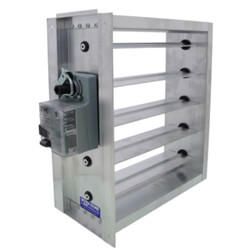
- Bottom Mount Dampers: Bottom mount dampers position the blade and linkage along the lower edge of the duct opening, a layout suited to runs where the top of the duct sits close to a joist or ceiling and there is no room to reach hardware from above. Installers reach for this mount style on tight overhead runs common in basements and crawlspaces.
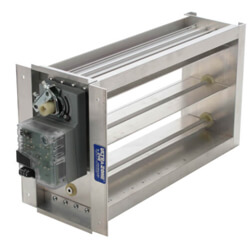
- Side Mount Dampers: Side mount dampers place the operating handle and linkage on the side of the duct, making them the easier reach in runs mounted along a wall or in a chase where overhead access is blocked. Crews commonly pick side mount hardware for vertical duct drops and soffit installations where a bottom mount handle would be out of reach.
Buying Guide
Choosing a rectangular damper starts with matching the duct opening dimensions exactly, since a damper that is undersized will leak air around the frame and one that is oversized will not seat into the duct at all. Measure the inside dimensions of the trunk or branch run before ordering, and confirm the duct gauge before assuming a standard-duty damper will fit.
Mount orientation is the next decision, and it should match the physical constraints of the install location rather than personal preference. Bottom mount hardware works best where a crew can access the duct from underneath, while side mount hardware suits vertical drops, chases, and runs tucked against a wall or joist bay.
Blade construction matters for long-term performance. Look for a damper with a locking quadrant handle so the blade holds its set position under vibration from blower operation, rather than drifting over time. A damper without a positive lock can require repeated readjustment during a balancing call.
Sealing at the frame affects how much air bypasses the blade even when it is fully closed. A damper with a continuous frame gasket closes off flow more completely than an open-frame design, which matters most when the damper is being used as a shutoff rather than for fine balancing.
Once installed, a rectangular damper should be labeled at the handle to show open and closed position, especially in a system with several branch dampers feeding different zones. Checking the blade and linkage during seasonal maintenance keeps the damper turning freely and prevents a stuck blade from throwing off airflow balance across the system.
Frequently Asked Questions
What is the difference between a bottom mount and side mount rectangular damper?
Bottom mount dampers put the handle and linkage on the underside of the duct for runs accessed from below, while side mount dampers put that hardware on the side for runs along a wall or in a tight overhead chase. The choice comes down to which side of the duct a technician can actually reach after installation.
How do I know what size rectangular damper to order?
Measure the inside width and height of the duct opening where the damper will sit, not the outside dimensions of the duct. A damper sized to the outside dimension will not seat properly and will leak air around the frame.
Can a rectangular damper be used as a full shutoff?
A damper with a continuous frame gasket and a locking handle can close off nearly all airflow through a branch run, making it suitable as a service shutoff. An open-frame damper without a gasket will still pass some air even when closed.
Do rectangular dampers need to be accessible after installation?
Yes. A damper that ends up buried behind finished ceiling or wall material cannot be adjusted or serviced without cutting an access point, so plan the install location with future access in mind.
How often should a rectangular damper be checked during maintenance?
Checking the blade, linkage, and handle lock once a season, alongside routine HVAC maintenance, catches a sticking blade or loose handle before it throws off system balance.
Resources
Subcategories
- Bottom Mount Dampers: Bottom mount dampers position the blade and linkage along the lower edge of the duct opening, a layout suited to runs where the top of the duct sits close to a joist or ceiling and there is no room to reach hardware from above. Installers reach for this mount style on tight overhead runs common in basements and crawlspaces.
- Side Mount Dampers: Side mount dampers place the operating handle and linkage on the side of the duct, making them the easier reach in runs mounted along a wall or in a chase where overhead access is blocked. Crews commonly pick side mount hardware for vertical duct drops and soffit installations where a bottom mount handle would be out of reach.
Buying Guide
Choosing a rectangular damper starts with matching the duct opening dimensions exactly, since a damper that is undersized will leak air around the frame and one that is oversized will not seat into the duct at all. Measure the inside dimensions of the trunk or branch run before ordering, and confirm the duct gauge before assuming a standard-duty damper will fit.
Mount orientation is the next decision, and it should match the physical constraints of the install location rather than personal preference. Bottom mount hardware works best where a crew can access the duct from underneath, while side mount hardware suits vertical drops, chases, and runs tucked against a wall or joist bay.
Blade construction matters for long-term performance. Look for a damper with a locking quadrant handle so the blade holds its set position under vibration from blower operation, rather than drifting over time. A damper without a positive lock can require repeated readjustment during a balancing call.
Sealing at the frame affects how much air bypasses the blade even when it is fully closed. A damper with a continuous frame gasket closes off flow more completely than an open-frame design, which matters most when the damper is being used as a shutoff rather than for fine balancing.
Once installed, a rectangular damper should be labeled at the handle to show open and closed position, especially in a system with several branch dampers feeding different zones. Checking the blade and linkage during seasonal maintenance keeps the damper turning freely and prevents a stuck blade from throwing off airflow balance across the system.
Frequently Asked Questions
What is the difference between a bottom mount and side mount rectangular damper?
Bottom mount dampers put the handle and linkage on the underside of the duct for runs accessed from below, while side mount dampers put that hardware on the side for runs along a wall or in a tight overhead chase. The choice comes down to which side of the duct a technician can actually reach after installation.
How do I know what size rectangular damper to order?
Measure the inside width and height of the duct opening where the damper will sit, not the outside dimensions of the duct. A damper sized to the outside dimension will not seat properly and will leak air around the frame.
Can a rectangular damper be used as a full shutoff?
A damper with a continuous frame gasket and a locking handle can close off nearly all airflow through a branch run, making it suitable as a service shutoff. An open-frame damper without a gasket will still pass some air even when closed.
Do rectangular dampers need to be accessible after installation?
Yes. A damper that ends up buried behind finished ceiling or wall material cannot be adjusted or serviced without cutting an access point, so plan the install location with future access in mind.
How often should a rectangular damper be checked during maintenance?
Checking the blade, linkage, and handle lock once a season, alongside routine HVAC maintenance, catches a sticking blade or loose handle before it throws off system balance.