




Refrigeration Fittings
Refrigeration fittings are the connectors that join copper tubing and line sets throughout a refrigeration or air conditioning circuit, covering everything from solder-joint copper fittings to press and push-fit designs that skip the torch entirely. Contractors pull from this category when running new line sets, repairing an existing circuit, or adapting between tubing types on a retrofit. Choosing the right connection method affects both installation speed and how the joint holds up under the pressure and temperature swings a refrigerant line sees in service.
ACR copper fittings remain the standard for brazed connections, while press and push-fit designs let a technician make a sealed joint without an open flame, which matters on jobs where soldering isn't practical or permitted. Matching fitting type to the tubing and refrigerant already in the system keeps a repair or installation consistent with the rest of the circuit.


Subcategories
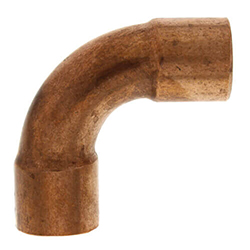
- ACR Copper Fittings: ACR copper fittings connect refrigeration and air conditioning line sets using a brazed joint, matching the copper tubing standard for HVAC and refrigeration circuits. Contractors reach for these fittings on new line set installations and system repairs where a brazed connection is the required or preferred method. Clean, oxygen-free brazing keeps the fitting interior free of scale that could contaminate the refrigerant circuit.
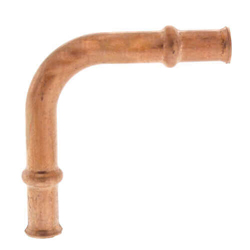
- Refrigerant Copper Press Fittings: Refrigerant copper press fittings create a sealed mechanical joint using a dedicated press tool, skipping the torch and filler metal a brazed connection requires. Contractors use these fittings on jobs where an open flame isn't practical, such as occupied buildings or tight mechanical rooms. A properly sized press jaw is needed to complete a reliable connection.
- Refrigerant Push-Fit Fittings: Refrigerant push-fit fittings install by hand, using an internal grab ring and O-ring to hold and seal copper tubing without a torch or press tool. Contractors turn to push-fit fittings for quick repairs or service calls where speed matters more than the long-term permanence of a brazed joint. A clean, square, deburred tubing end is necessary for the seal to hold.
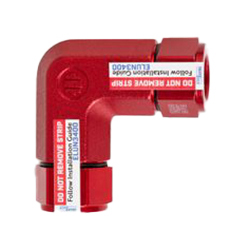
- SmartLock Fittings: SmartLock fittings are a push-to-connect design built for refrigerant line applications, sealing copper tubing without soldering, brazing, or a press tool. Contractors use them for fast repairs and retrofit work where minimizing system downtime matters. Visual insertion depth marks on the tubing help confirm a complete connection before the system is pressurized.
Buying Guide
Connection method is the first filter when selecting a fitting for a refrigeration circuit. Brazed ACR copper fittings need a torch and filler metal but produce a joint that has been the industry default for decades, while press and push-fit fittings trade that familiarity for speed and the ability to work in tight spaces or near flammable materials without an open flame.
Tubing size compatibility matters as much as connection type. A fitting sized to match the outer diameter of the line set in use keeps the joint seated correctly, so confirming tubing diameter before ordering avoids a mismatch that shows up mid-installation.
Press fittings rely on a dedicated press tool sized to the fitting, so a contractor without that tool on hand may find push-fit designs a more practical choice for smaller repairs or service calls. Push-fit fittings install by hand, which speeds up a quick repair but may not suit every application depending on the system's operating pressure.
Refrigerant compatibility is worth confirming before mixing fitting types on the same circuit, since some sealing materials and fitting designs are rated for specific refrigerants and not others. Checking the manufacturer's refrigerant compatibility for a given fitting line prevents a seal failure down the road.
Stocking a mix of brazed and mechanical fittings covers most refrigeration and air conditioning service scenarios, from full line set installations to quick field repairs. Keeping common sizes on the truck cuts down on return trips for a job that turns out to need a size or style not already on hand.
Frequently Asked Questions
What's the difference between press and push-fit refrigeration fittings?
Press fittings require a dedicated press tool to crimp the connection and create a permanent mechanical seal, while push-fit fittings install by hand without any tool, relying on an internal grab ring and O-ring to hold and seal the joint. Both skip the open flame needed for brazed connections.
Can refrigeration fittings be used on both new installations and repairs?
Contractors use fittings from this category for full line set runs on new installations as well as spot repairs on existing refrigeration and air conditioning circuits. The fitting style chosen often depends on how much of the existing line set stays in place.
Do press fittings need a specific size press tool?
Press tools are sized to match specific fitting diameters, so a contractor working across multiple line set sizes typically needs a jaw or head set covering the full size range on a job. Using a mismatched jaw size can produce an incomplete press and a joint that doesn't seal properly.
Are ACR copper fittings still the standard choice for refrigeration work?
Brazed ACR copper fittings remain widely specified for refrigeration circuits because of their long track record and the strength of a properly brazed joint. Press and push-fit designs have gained ground for situations where an open flame isn't practical, but brazed connections still dominate full system installations.
What causes a push-fit refrigeration fitting to leak?
A push-fit fitting typically leaks because the tubing wasn't cut square, wasn't deburred, or wasn't inserted fully to the depth mark before the joint was left in service. Confirming a clean, square cut and full insertion before pressurizing the system prevents most push-fit leaks.
Resources
Subcategories
- ACR Copper Fittings: ACR copper fittings connect refrigeration and air conditioning line sets using a brazed joint, matching the copper tubing standard for HVAC and refrigeration circuits. Contractors reach for these fittings on new line set installations and system repairs where a brazed connection is the required or preferred method. Clean, oxygen-free brazing keeps the fitting interior free of scale that could contaminate the refrigerant circuit.
- Refrigerant Copper Press Fittings: Refrigerant copper press fittings create a sealed mechanical joint using a dedicated press tool, skipping the torch and filler metal a brazed connection requires. Contractors use these fittings on jobs where an open flame isn't practical, such as occupied buildings or tight mechanical rooms. A properly sized press jaw is needed to complete a reliable connection.
- Refrigerant Push-Fit Fittings: Refrigerant push-fit fittings install by hand, using an internal grab ring and O-ring to hold and seal copper tubing without a torch or press tool. Contractors turn to push-fit fittings for quick repairs or service calls where speed matters more than the long-term permanence of a brazed joint. A clean, square, deburred tubing end is necessary for the seal to hold.
- SmartLock Fittings: SmartLock fittings are a push-to-connect design built for refrigerant line applications, sealing copper tubing without soldering, brazing, or a press tool. Contractors use them for fast repairs and retrofit work where minimizing system downtime matters. Visual insertion depth marks on the tubing help confirm a complete connection before the system is pressurized.
Buying Guide
Connection method is the first filter when selecting a fitting for a refrigeration circuit. Brazed ACR copper fittings need a torch and filler metal but produce a joint that has been the industry default for decades, while press and push-fit fittings trade that familiarity for speed and the ability to work in tight spaces or near flammable materials without an open flame.
Tubing size compatibility matters as much as connection type. A fitting sized to match the outer diameter of the line set in use keeps the joint seated correctly, so confirming tubing diameter before ordering avoids a mismatch that shows up mid-installation.
Press fittings rely on a dedicated press tool sized to the fitting, so a contractor without that tool on hand may find push-fit designs a more practical choice for smaller repairs or service calls. Push-fit fittings install by hand, which speeds up a quick repair but may not suit every application depending on the system's operating pressure.
Refrigerant compatibility is worth confirming before mixing fitting types on the same circuit, since some sealing materials and fitting designs are rated for specific refrigerants and not others. Checking the manufacturer's refrigerant compatibility for a given fitting line prevents a seal failure down the road.
Stocking a mix of brazed and mechanical fittings covers most refrigeration and air conditioning service scenarios, from full line set installations to quick field repairs. Keeping common sizes on the truck cuts down on return trips for a job that turns out to need a size or style not already on hand.
Frequently Asked Questions
What's the difference between press and push-fit refrigeration fittings?
Press fittings require a dedicated press tool to crimp the connection and create a permanent mechanical seal, while push-fit fittings install by hand without any tool, relying on an internal grab ring and O-ring to hold and seal the joint. Both skip the open flame needed for brazed connections.
Can refrigeration fittings be used on both new installations and repairs?
Contractors use fittings from this category for full line set runs on new installations as well as spot repairs on existing refrigeration and air conditioning circuits. The fitting style chosen often depends on how much of the existing line set stays in place.
Do press fittings need a specific size press tool?
Press tools are sized to match specific fitting diameters, so a contractor working across multiple line set sizes typically needs a jaw or head set covering the full size range on a job. Using a mismatched jaw size can produce an incomplete press and a joint that doesn't seal properly.
Are ACR copper fittings still the standard choice for refrigeration work?
Brazed ACR copper fittings remain widely specified for refrigeration circuits because of their long track record and the strength of a properly brazed joint. Press and push-fit designs have gained ground for situations where an open flame isn't practical, but brazed connections still dominate full system installations.
What causes a push-fit refrigeration fitting to leak?
A push-fit fitting typically leaks because the tubing wasn't cut square, wasn't deburred, or wasn't inserted fully to the depth mark before the joint was left in service. Confirming a clean, square cut and full insertion before pressurizing the system prevents most push-fit leaks.