




Rheem Commercial Water Heaters


 --%3E %3Csvg version='1.1' id='No-RB' xmlns='http://www.w3.org/2000/svg' xmlns:xlink='http://www.w3.org/1999/xlink' x='0px' y='0px' viewBox='0 0 100 100' enable-background='new 0 0 100 100' xml:space='preserve'%3E %3Cpath fill='%23CECECE' d='M79.44,0.95H20.56C9.78,0.95,0.95,9.78,0.95,20.56v58.87c0,10.79,8.82,19.61,19.61,19.61h58.87 c10.79,0,19.61-8.83,19.61-19.61V20.56C99.05,9.78,90.22,0.95,79.44,0.95z M65.38,58.24l9.38,29.58L49.69,69.78L24.5,87.82 l9.34-29.6L8.8,39.6l30.73-0.17c0,0,6.98-19.61,10-28.93c0.54,1.36,9.88,29.1,9.88,29.1H91.2L65.38,58.24z'/%3E %3C/svg%3E)
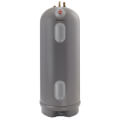
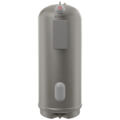

Rheem Commercial Water Heaters are engineered to keep hot water flowing in restaurants, hotels, laundromats, and other high-demand commercial settings where downtime isn't an option. The lineup spans gas and electric storage tank models, tankless gas and electric units, and heat pump water heaters, giving contractors options that match a building's fuel source, available space, and recovery needs. Storage tank units suit properties with high simultaneous draw, since a full tank of preheated water is ready during peak hours. Tankless models work well in facilities with limited mechanical room space or lower continuous demand, heating water only when a fixture calls for it. Recovery rate, fuel type, and venting requirements all factor into matching a unit to a specific job. For contractors and facility managers, choosing the right Rheem commercial water heater means fewer callbacks and equipment that holds up under constant use.
Subcategories
- Gas Storage Water Heaters: Gas storage water heaters heat a tank of water ahead of demand, making them a fit for restaurants and hotels with predictable peak usage. They pair with natural gas or propane supply lines and typically vent through a dedicated flue. Facility managers favor them where continuous hot water recovery matters more than floor space savings. Because the tank holds a reserve, simultaneous draws from multiple fixtures don't immediately drop water temperature.
- Electric Storage Water Heaters: Electric storage water heaters serve properties without gas service or where local codes restrict combustion appliances. They rely on electric resistance elements to heat and maintain a reserve of water in an insulated tank. Laundromats and small commercial kitchens often specify them for straightforward installation without venting. Recovery time depends on element wattage and incoming water temperature.
- Tankless Gas Water Heaters: Tankless gas water heaters heat water on demand rather than storing it, which suits mechanical rooms with limited floor space. They fire only when a fixture calls for hot water, so standby losses drop compared with a storage tank. Property managers running lower, steady draw profiles find tankless units a practical fit. Gas supply line sizing and venting still need to match the unit's input rating.
- Tankless Electric Water Heaters: Tankless electric water heaters deliver on demand heating without a storage tank or gas venting, which simplifies installation in tight utility closets. They draw on the building's electrical service rather than combustion fuel, so they suit properties already provisioned with sufficient electrical capacity. Smaller commercial spaces, like offices or retail units, often use them for point of use or whole building service. Electrical panel capacity is the main constraint contractors check before specifying one.
- Heat Pump Water Heaters: Heat pump water heaters move heat from surrounding air into the tank instead of generating it directly, which can lower operating costs over the equipment's service life. They work best in mechanical rooms with adequate air volume and moderate ambient temperature. Facilities focused on lowering energy use often specify them alongside or in place of standard electric storage units. Contractors should confirm clearance and airflow requirements before installation.
Buying Guide
Selecting a Rheem commercial water heater starts with matching fuel type to what's already available at the site. Gas service usually costs less to operate at scale, but electric models remove venting requirements entirely, which matters in buildings where running a flue isn't practical. Contractors should confirm the venting category and clearances a gas unit needs before committing to a location.
Recovery rate and storage capacity come next. A restaurant kitchen with several simultaneous draws needs enough stored volume, or high enough recovery, to avoid a mid-shift cold water complaint. Tankless models sidestep the storage question by heating water as it's called for, but the incoming gas line or electrical circuit has to support the unit's peak demand.
Space constraints often decide the outcome. Mechanical rooms with limited floor area favor tankless or wall-mounted configurations, while larger utility spaces can accommodate a full storage tank. Facilities pursuing lower energy use increasingly look at heat pump water heaters, though those units need adequate airflow and ambient temperature to perform well.
Rheem Commercial Water Heaters cover each of these scenarios, so the deciding factors usually come down to available fuel, recovery needs, and mechanical room space rather than brand alone. Reviewing peak simultaneous demand alongside the mechanical room's existing utilities narrows the choice to a short list of workable models before a final selection is made.
Frequently Asked Questions
What's the difference between a gas and electric commercial water heater?
Gas units draw on a building's natural gas or propane line and typically recover faster, but they need proper venting and clearances. Electric units skip the venting requirement and work well in buildings without gas service. The choice usually comes down to available fuel type, local code requirements, and installation space.
When does a tankless water heater make more sense than a storage tank model?
Tankless models work best in mechanical rooms with limited floor space or in properties with lower, steady hot water demand. Storage tank units are often a better fit where several fixtures draw hot water at the same time, since the tank holds a ready reserve. Reviewing the property's peak simultaneous demand helps determine which configuration fits.
Do heat pump water heaters work in every commercial setting?
Heat pump water heaters need adequate air volume and moderate ambient temperature in the surrounding space to operate efficiently. Cold, tight mechanical rooms without enough airflow aren't ideal candidates. Facilities with the right conditions can see lower operating costs compared with standard electric storage models.
What should a contractor check before replacing an existing commercial water heater?
Confirming the existing gas line size or electrical circuit capacity comes first, since a larger or higher output replacement may need upgraded service. Venting configuration matters too, especially when switching between atmospheric and power vent gas models. Measuring the mechanical room's available space and clearances before ordering avoids a mismatch on delivery.
How does recovery rate affect which commercial water heater to specify?
Recovery rate determines how quickly a storage tank unit reheats water after a heavy draw, which matters for properties with back to back usage like hotels or laundromats. A unit with a higher recovery rate can support smaller storage capacity for the same demand. Facilities with steadier, lower demand can often specify a lower recovery rate without issue.
