




Filters
SORT
Product Availability –
Used With –
Review Score –
 --%3E %3Csvg version='1.1' id='Fill' xmlns='http://www.w3.org/2000/svg' xmlns:xlink='http://www.w3.org/1999/xlink' x='0px' y='0px' viewBox='0 0 100 100' enable-background='new 0 0 100 100' xml:space='preserve'%3E %3Cpath fill='%23F15C02' d='M79.44,0.95H20.56C9.78,0.95,0.95,9.78,0.95,20.56v58.87c0,10.79,8.82,19.61,19.61,19.61h58.87 c10.79,0,19.61-8.83,19.61-19.61V20.56C99.05,9.78,90.22,0.95,79.44,0.95z M65.38,58.24l9.38,29.58L49.69,69.78L24.5,87.82 l9.34-29.6L8.8,39.6l30.73-0.17c0,0,6.98-19.61,10-28.93c0.54,1.36,9.88,29.1,9.88,29.1H91.2L65.38,58.24z'/%3E %3C/svg%3E)
 --%3E %3Csvg version='1.1' id='With-RB' xmlns='http://www.w3.org/2000/svg' xmlns:xlink='http://www.w3.org/1999/xlink' x='0px' y='0px' viewBox='0 0 100 100' enable-background='new 0 0 100 100' xml:space='preserve'%3E %3Cpath fill='%23FBC8B4' d='M79.44,0.95H20.56C9.78,0.95,0.95,9.78,0.95,20.56v58.87c0,10.79,8.82,19.61,19.61,19.61h58.87 c10.79,0,19.61-8.83,19.61-19.61V20.56C99.05,9.78,90.22,0.95,79.44,0.95z M65.38,58.24l9.38,29.58L49.69,69.78L24.5,87.82 l9.34-29.6L8.8,39.6l30.73-0.17c0,0,6.98-19.61,10-28.93c0.54,1.36,9.88,29.1,9.88,29.1H91.2L65.38,58.24z'/%3E %3C/svg%3E)
Price Range –
Seal Kits


 --%3E %3Csvg version='1.1' id='Half' xmlns='http://www.w3.org/2000/svg' xmlns:xlink='http://www.w3.org/1999/xlink' x='0px' y='0px' viewBox='0 0 100 100' enable-background='new 0 0 100 100' xml:space='preserve'%3E %3Cg%3E %3Cpath fill='%23F15C02' d='M30.05,70.23l3.79-12.01L8.8,39.6l30.73-0.17c0,0,6.98-19.61,10-28.93c0.54,1.36,9.88,29.1,9.88,29.1h1.58 L93.71,7.18c-3.58-3.82-8.66-6.23-14.28-6.23H20.56C9.78,0.95,0.95,9.78,0.95,20.56v58.87c0,5.41,2.22,10.32,5.79,13.88 L30.05,70.23z'/%3E %3C/g%3E %3Cpath fill='%23FBC8B4' d='M93.71,7.18L60.98,39.6H91.2L65.38,58.24l9.38,29.58L49.69,69.78L24.5,87.82l5.55-17.59L6.75,93.32 c3.55,3.54,8.44,5.73,13.82,5.73h58.87c10.79,0,19.61-8.83,19.61-19.61V20.56C99.05,15.4,97.01,10.69,93.71,7.18z'/%3E %3C/svg%3E)

 --%3E %3Csvg version='1.1' id='No-RB' xmlns='http://www.w3.org/2000/svg' xmlns:xlink='http://www.w3.org/1999/xlink' x='0px' y='0px' viewBox='0 0 100 100' enable-background='new 0 0 100 100' xml:space='preserve'%3E %3Cpath fill='%23CECECE' d='M79.44,0.95H20.56C9.78,0.95,0.95,9.78,0.95,20.56v58.87c0,10.79,8.82,19.61,19.61,19.61h58.87 c10.79,0,19.61-8.83,19.61-19.61V20.56C99.05,9.78,90.22,0.95,79.44,0.95z M65.38,58.24l9.38,29.58L49.69,69.78L24.5,87.82 l9.34-29.6L8.8,39.6l30.73-0.17c0,0,6.98-19.61,10-28.93c0.54,1.36,9.88,29.1,9.88,29.1H91.2L65.38,58.24z'/%3E %3C/svg%3E)
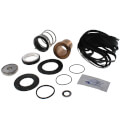
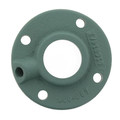
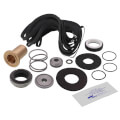
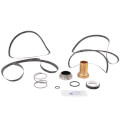
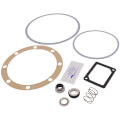
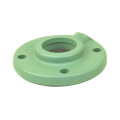
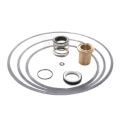
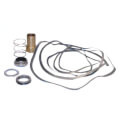
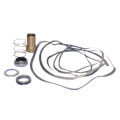
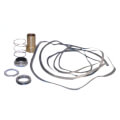
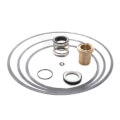
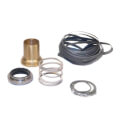

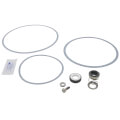
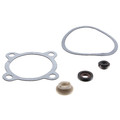
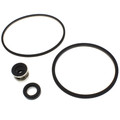
Seal kits are replacement parts that restore the watertight seal inside a circulator pump, sump pump, or similar piece of rotating equipment once the original seal wears out or starts leaking. Most kits bundle the mechanical seal itself along with the gaskets, O-rings, and springs needed to finish the repair in one job. A worn seal usually shows up first as a slow drip or a puddle at the base of the pump housing, well before the pump loses pressure or fails outright. Technicians often choose a seal kit repair over a full pump replacement when the motor and impeller are still in good shape, since swapping the seal takes a fraction of the time. Matching the kit to the exact pump model matters most, since seal dimensions and materials vary between manufacturers and even between different series from the same brand.
Subcategories
- Circulator Pump Seal Kits: Circulator pump seal kits replace the mechanical seal that keeps hydronic heating and cooling systems from leaking at the pump shaft. Boiler technicians reach for these kits most often on aging circulator pumps that have started weeping around the housing seam. A kit typically includes the seal face, a matching O-ring, and the spring that keeps the seal faces pressed together. Replacing the seal on a still-functional pump restores it to service without the cost of a full unit swap.
- Sump and Sewage Pump Seal Kits: Sump and sewage pump seal kits address the seal that keeps groundwater or wastewater from working its way into the pump's motor housing. Plumbers install these kits on pumps that run frequently, since constant cycling wears the seal faster than in a pump used only occasionally. A failed seal in this application often shows up as water inside the motor housing rather than a visible external leak. Catching the wear early with a scheduled seal replacement avoids a motor burnout down the line.
- Well Pump Seal Kits: Well pump seal kits restore the seal on submersible or jet pumps that draw water from a private well. Well service technicians use these kits when a pump loses pressure gradually rather than failing all at once, which often points to a worn seal rather than a bad motor. Kits for submersible pumps are built to handle continuous underwater exposure, unlike seals meant for pumps mounted above ground. Getting the seal material right for the specific water chemistry of the well matters for long-term durability.
- Shaft Seal and Gasket Kits: Shaft seal and gasket kits round out repairs for pumps where the leak point is at the shaft opening rather than the main housing seam. Maintenance crews use these kits alongside a mechanical seal kit when a pump has been in service long enough that multiple wear points need attention at once. A shaft seal kit usually includes the lip seal, a wear sleeve, and the fasteners needed to reseat everything correctly. Replacing the shaft seal at the same time as the main seal reduces how often the pump needs to come apart again.
Buying Guide
Start any seal kit purchase by confirming the exact pump make, model, and series, since seal dimensions differ even between pumps that look nearly identical from the outside. The pump's nameplate usually lists this information, and it's worth checking against the kit's listed compatibility before ordering rather than after the truck is already at the job.
Next, consider what the pump is actually handling. A circulator moving treated heating water needs a different seal material than a sump pump running through groundwater with grit and debris, so Seal Kits built for one application don't always hold up in another. Kits rated for higher temperatures or continuous duty cost a little more but last longer in demanding installations, which matters most on commercial systems that run around the clock.
Also factor in what else the kit includes beyond the seal itself. A complete kit with matching gaskets, O-rings, and springs finishes the job in one visit, while a bare seal alone may still require sourcing smaller parts separately. Checking kit contents against the pump's full parts list before leaving the shop cuts down on a second trip.
Finally, weigh the kit's cost against the labor already planned for the visit. Replacing a seal on a pump that is otherwise sound is almost always more economical than replacing the entire unit.
Frequently Asked Questions
How do I know if a pump needs a seal kit instead of a full replacement?
A pump that still runs quietly and holds proper pressure, but leaks at the housing seam, is usually a good candidate for a seal kit rather than a full swap. Once the motor bearings, impeller, or wiring show separate signs of wear, a full pump replacement usually makes more sense.
What's the most common cause of a seal kit failing early?
Running a pump dry, even briefly, is the most common cause of premature seal failure, since the seal faces depend on the fluid itself for lubrication and cooling. Grit or mineral buildup in the water can also score the seal faces over time.
Do seal kits fit across different brands of pump?
Rarely. Seal dimensions, materials, and mounting details are specific to each manufacturer and often to individual pump series, so a kit built for one brand typically won't fit another. Checking the pump's model number against the kit's listed compatibility avoids an installation that doesn't seal properly.
How long does a seal kit replacement typically take?
A straightforward circulator pump seal swap usually takes under an hour once the pump is drained and pulled from the line. Sump and well pump jobs can take longer depending on access to the pump and how the system needs to be depressurized first.
Can a seal kit be installed without special tools?
Most seal kits install with standard hand tools already on a service truck, though a few pump models call for a seal puller or an alignment gauge to seat the new seal correctly. Checking the kit's included instructions before starting the job flags any special tool needs upfront.
