




Filters
SORT
Product Availability –
Brand –
Review Score –
 --%3E %3Csvg version='1.1' id='Fill' xmlns='http://www.w3.org/2000/svg' xmlns:xlink='http://www.w3.org/1999/xlink' x='0px' y='0px' viewBox='0 0 100 100' enable-background='new 0 0 100 100' xml:space='preserve'%3E %3Cpath fill='%23F15C02' d='M79.44,0.95H20.56C9.78,0.95,0.95,9.78,0.95,20.56v58.87c0,10.79,8.82,19.61,19.61,19.61h58.87 c10.79,0,19.61-8.83,19.61-19.61V20.56C99.05,9.78,90.22,0.95,79.44,0.95z M65.38,58.24l9.38,29.58L49.69,69.78L24.5,87.82 l9.34-29.6L8.8,39.6l30.73-0.17c0,0,6.98-19.61,10-28.93c0.54,1.36,9.88,29.1,9.88,29.1H91.2L65.38,58.24z'/%3E %3C/svg%3E)
 --%3E %3Csvg version='1.1' id='With-RB' xmlns='http://www.w3.org/2000/svg' xmlns:xlink='http://www.w3.org/1999/xlink' x='0px' y='0px' viewBox='0 0 100 100' enable-background='new 0 0 100 100' xml:space='preserve'%3E %3Cpath fill='%23FBC8B4' d='M79.44,0.95H20.56C9.78,0.95,0.95,9.78,0.95,20.56v58.87c0,10.79,8.82,19.61,19.61,19.61h58.87 c10.79,0,19.61-8.83,19.61-19.61V20.56C99.05,9.78,90.22,0.95,79.44,0.95z M65.38,58.24l9.38,29.58L49.69,69.78L24.5,87.82 l9.34-29.6L8.8,39.6l30.73-0.17c0,0,6.98-19.61,10-28.93c0.54,1.36,9.88,29.1,9.88,29.1H91.2L65.38,58.24z'/%3E %3C/svg%3E)
Shower Pan Liners




 --%3E %3Csvg version='1.1' id='No-RB' xmlns='http://www.w3.org/2000/svg' xmlns:xlink='http://www.w3.org/1999/xlink' x='0px' y='0px' viewBox='0 0 100 100' enable-background='new 0 0 100 100' xml:space='preserve'%3E %3Cpath fill='%23CECECE' d='M79.44,0.95H20.56C9.78,0.95,0.95,9.78,0.95,20.56v58.87c0,10.79,8.82,19.61,19.61,19.61h58.87 c10.79,0,19.61-8.83,19.61-19.61V20.56C99.05,9.78,90.22,0.95,79.44,0.95z M65.38,58.24l9.38,29.58L49.69,69.78L24.5,87.82 l9.34-29.6L8.8,39.6l30.73-0.17c0,0,6.98-19.61,10-28.93c0.54,1.36,9.88,29.1,9.88,29.1H91.2L65.38,58.24z'/%3E %3C/svg%3E)


 --%3E %3Csvg version='1.1' id='Half' xmlns='http://www.w3.org/2000/svg' xmlns:xlink='http://www.w3.org/1999/xlink' x='0px' y='0px' viewBox='0 0 100 100' enable-background='new 0 0 100 100' xml:space='preserve'%3E %3Cg%3E %3Cpath fill='%23F15C02' d='M30.05,70.23l3.79-12.01L8.8,39.6l30.73-0.17c0,0,6.98-19.61,10-28.93c0.54,1.36,9.88,29.1,9.88,29.1h1.58 L93.71,7.18c-3.58-3.82-8.66-6.23-14.28-6.23H20.56C9.78,0.95,0.95,9.78,0.95,20.56v58.87c0,5.41,2.22,10.32,5.79,13.88 L30.05,70.23z'/%3E %3C/g%3E %3Cpath fill='%23FBC8B4' d='M93.71,7.18L60.98,39.6H91.2L65.38,58.24l9.38,29.58L49.69,69.78L24.5,87.82l5.55-17.59L6.75,93.32 c3.55,3.54,8.44,5.73,13.82,5.73h58.87c10.79,0,19.61-8.83,19.61-19.61V20.56C99.05,15.4,97.01,10.69,93.71,7.18z'/%3E %3C/svg%3E)

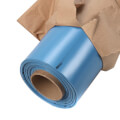
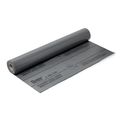
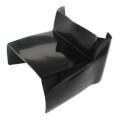
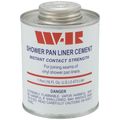
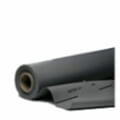

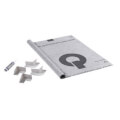

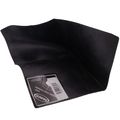
Shower pan liners are waterproof membranes installed beneath a tiled shower floor's mortar bed to catch any water that gets past the tile and grout and direct it to the drain instead of into the subfloor. Tile installers typically use CPE (chlorinated polyethylene) or PVC sheet membrane, cut and folded at the corners to form a continuous waterproof pan before the mortar bed and tile go down over it. A properly installed liner extends up the curb and side walls above the finished shower floor height, so water that reaches the membrane stays contained rather than migrating sideways into the framing. Weep holes in the drain body let water that collects on top of the liner reach the drain without being trapped, which is why matching the liner to a drain designed for pan installations, rather than a standard tile drain, matters. Getting the liner's corner folds and seams right is what determines whether a shower floor stays watertight for the life of the installation.
Subcategories
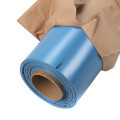
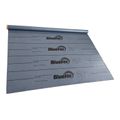
- CPE Shower Pan Liners: CPE membrane is the most common shower pan liner material, valued for its flexibility when forming corner folds and its resistance to the alkalinity in fresh mortar. It's typically sold in sheet form by the roll, cut to size on site rather than pre-formed. Seams between sheets, when a shower base is too large for one continuous piece, are bonded with a compatible solvent-based cement rather than adhesive tape. Tile setters favor CPE for custom shower pans where dimensions don't match a preformed base.
- PVC Shower Pan Liners: PVC membrane serves the same waterproofing role as CPE and is generally easier to source in some regions, though it's less flexible at corner folds in cold conditions. It's compatible with the same weep-hole drain assemblies used with CPE liners. Some installers prefer PVC for its rigidity when handling large sheets, which can reduce wrinkling under the mortar bed. Checking local plumbing code for which membrane materials are approved is worth doing before ordering, since acceptance varies by jurisdiction.
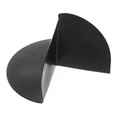
- Preformed Shower Pan Liners: Preformed liners come molded to standard shower base dimensions, with corners already formed, cutting down on the on-site folding and cutting a sheet membrane requires. They suit standard-size showers where a custom pan isn't necessary. Fitting a preformed liner still requires care around the drain connection and any custom curb, since those areas aren't pre-molded. They can save labor time on a standard installation compared to a fully custom sheet-membrane pan.
- Shower Pan Drain Assemblies: A drain body designed specifically for membrane shower pans includes a weep-hole flange that lets water sitting on top of the liner reach the drain, separate from the tile-level drain opening above it. Using a standard tile drain without this two-part design traps water on top of the liner instead of draining it. The liner clamps between the drain's lower and upper flanges to create a watertight connection at that critical point. Matching the drain to the liner material and the rough-in height already set in the subfloor is necessary before installation begins.
Buying Guide
Choosing a shower pan liner starts with picking a membrane material accepted by the local plumbing code, since some jurisdictions specify CPE, PVC, or another approved material and won't pass inspection on an unlisted product. Sheet size matters just as much: measuring the full shower floor and curb dimensions before ordering avoids a liner too small to fold up the walls and over the curb without a seam in a corner, which is where leaks most often start. For a standard-dimension shower, a preformed liner can save on-site labor, while a custom-shaped floor or unusual curb configuration calls for a cut sheet membrane installed and folded on site. Shower pan liners need a compatible weep-hole drain assembly rather than a standard tile drain, since the two-part drain body is what actually lets water on top of the membrane reach the drain instead of pooling against the subfloor. Confirming the drain's rough-in height matches the planned mortar bed thickness before installation prevents a liner that sits too high or low relative to the finished floor. Corner folds, not the flat field of the membrane, are where most installation failures happen, so following the membrane manufacturer's fold pattern instead of freehand cutting and patching each corner is worth the extra time it takes. Ordering enough membrane to allow for a full-height wall and curb wrap, rather than cutting it close to save material, reduces the chance of running short mid-installation.
Frequently Asked Questions
What's the difference between CPE and PVC shower pan liners?
CPE membrane is generally more flexible, which makes it easier to fold cleanly at corners, while PVC is more rigid and can be easier to handle in large sheets without wrinkling. Both materials perform the same waterproofing function and use the same style of weep-hole drain assembly. Local plumbing code sometimes limits which of the two is approved in a given jurisdiction. Checking that code requirement before ordering material is worth doing ahead of a job.
Why does a shower pan liner need a special drain?
A membrane shower pan liner requires a drain with a weep-hole flange, which lets water that collects on top of the liner reach the drain, separate from the tile-level opening water flows through normally. A standard tile drain without this two-part design traps water against the subfloor instead of draining it, which can lead to rot or mold over time. The liner clamps between the drain's lower and upper flanges to seal that connection. Matching drain and liner brand isn't required, but matching drain type to a membrane-pan installation is.
How high up the wall does a shower pan liner need to extend?
The liner needs to extend above the finished shower floor height and up the curb, typically several inches, so any water reaching the membrane stays contained rather than migrating sideways into the wall framing. Local code often specifies a minimum height for this wall extension. Cutting the liner too short at this stage is a common installation mistake that isn't visible again until a leak shows up in the wall or ceiling below. Following the membrane manufacturer's installation instructions for wall height avoids that problem.
Can a preformed shower pan liner be used for a custom-size shower?
Preformed liners are molded to standard shower base dimensions and don't adapt to a custom or oversized shower floor, which calls for a cut sheet membrane instead. A preformed liner does save labor time on a standard-dimension installation since the corners already come formed. Mixing the two approaches, patching a preformed liner to extend its size, isn't a reliable waterproofing method. Measuring the actual shower dimensions before ordering determines which type is the right fit.
What causes a shower pan liner to leak after installation?
Most leaks trace back to a corner fold that wasn't formed correctly, a puncture from a fastener driven through the membrane, or a drain connection that wasn't clamped and sealed properly between the liner and the drain's flanges. Sheet seams, when a shower base is too large for one continuous piece of membrane, are another common failure point if not bonded with a compatible cement. Careful handling during the mortar bed installation matters, since a puncture from a stray nail or screw can go unnoticed until water shows up somewhere unexpected. Following the membrane manufacturer's installation guide closely is the most reliable way to avoid these failure points.
